

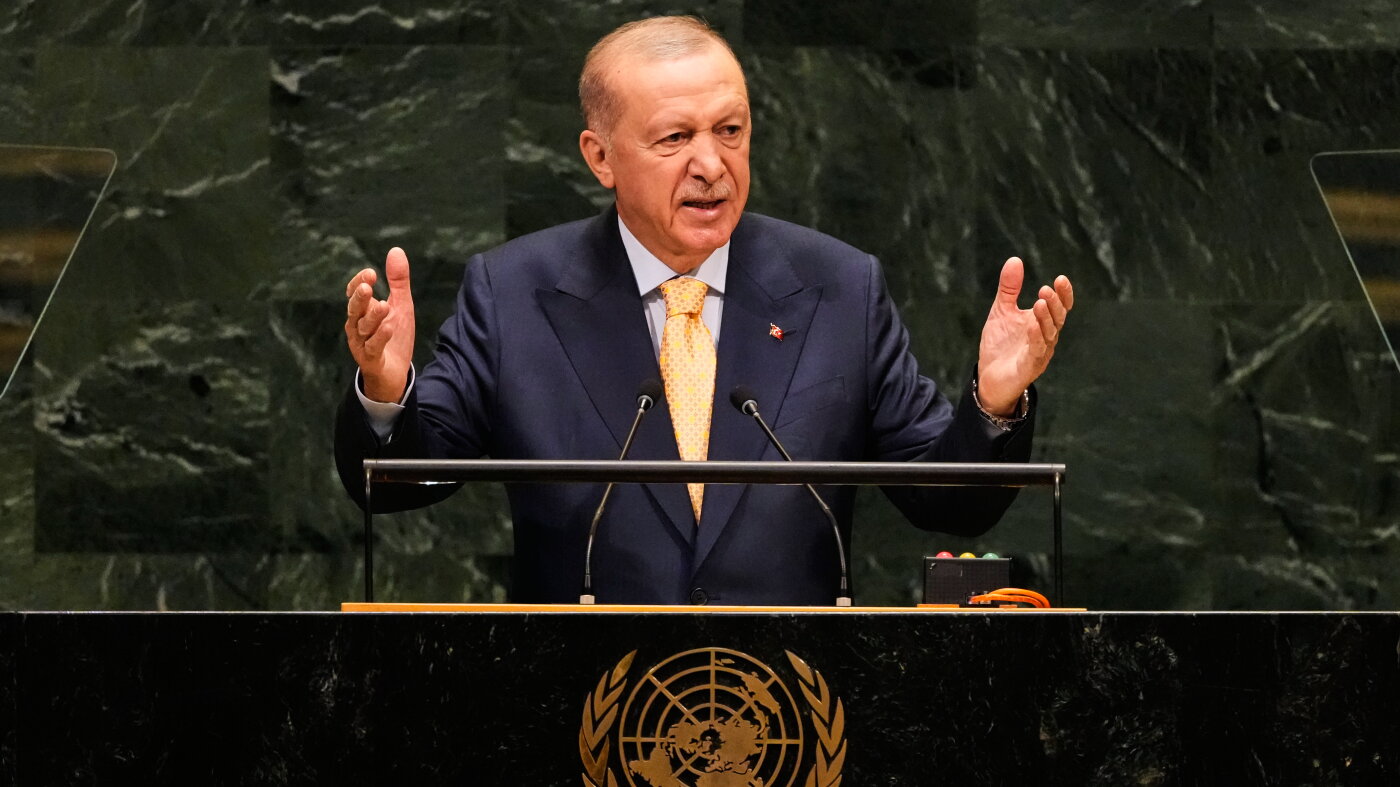
Turkey has emerged as an increasingly influential actor in Middle Eastern geopolitics, exemplified by its central role in negotiating the Mecca Joint Defense Agreement signed on Aug. 7 among Turkey, Saudi Arabia, and Pakistan. The agreement incorporates NATO-style collective defense language and includes provisions for intelligence and defense technology sharing among the three Sunni-majority nations. Turkish Foreign Minister Hakan Fidan indicated that Ankara drove three years of negotiations leading to the accord, which analysts characterize as symbolic of a broader shift in regional security arrangements.
Turkey’s growing regional influence stems from multiple factors. The country has expanded its military capabilities, operating bases across Somalia, Qatar, and Libya while playing an increasingly central role in Syrian affairs. Ankara has leveraged cultural soft power through television programming and humanitarian initiatives, while positioning itself as a mediator in international conflicts. Turkey’s expanding defense-industrial base has reduced its military dependence on Western allies, though it continues to seek advanced weaponry from the United States.
Turkey’s regional ambitions coincide with significant geopolitical shifts in the Middle East. The Oct. 7, 2023 Hamas attack on Israel and subsequent military developments have weakened Iran’s position and its network of regional proxies. Concurrently, discussions in Washington about reducing the U.S. security footprint in the region have created what analysts describe as a potential vacuum for other powers to fill.
Obstacles to Turkish expansion remain substantial. Persistent economic challenges including high inflation, currency weakness, and rising energy costs strain state resources. Additionally, an increasingly assertive Israel pursues a strategy focused on maintaining military superiority among regional neighbors and preventing rival powers from gaining sufficient strength to challenge Israeli dominance. Analysts note that while Turkey’s regional ambitions exceed its current economic capacity, Ankara appears focused on managing regional stability to protect national interests through a long-term strategic approach rather than pursuing immediate dominance.
Article Attribution | Read More at Article Source
Article summary produced by Claude AI