

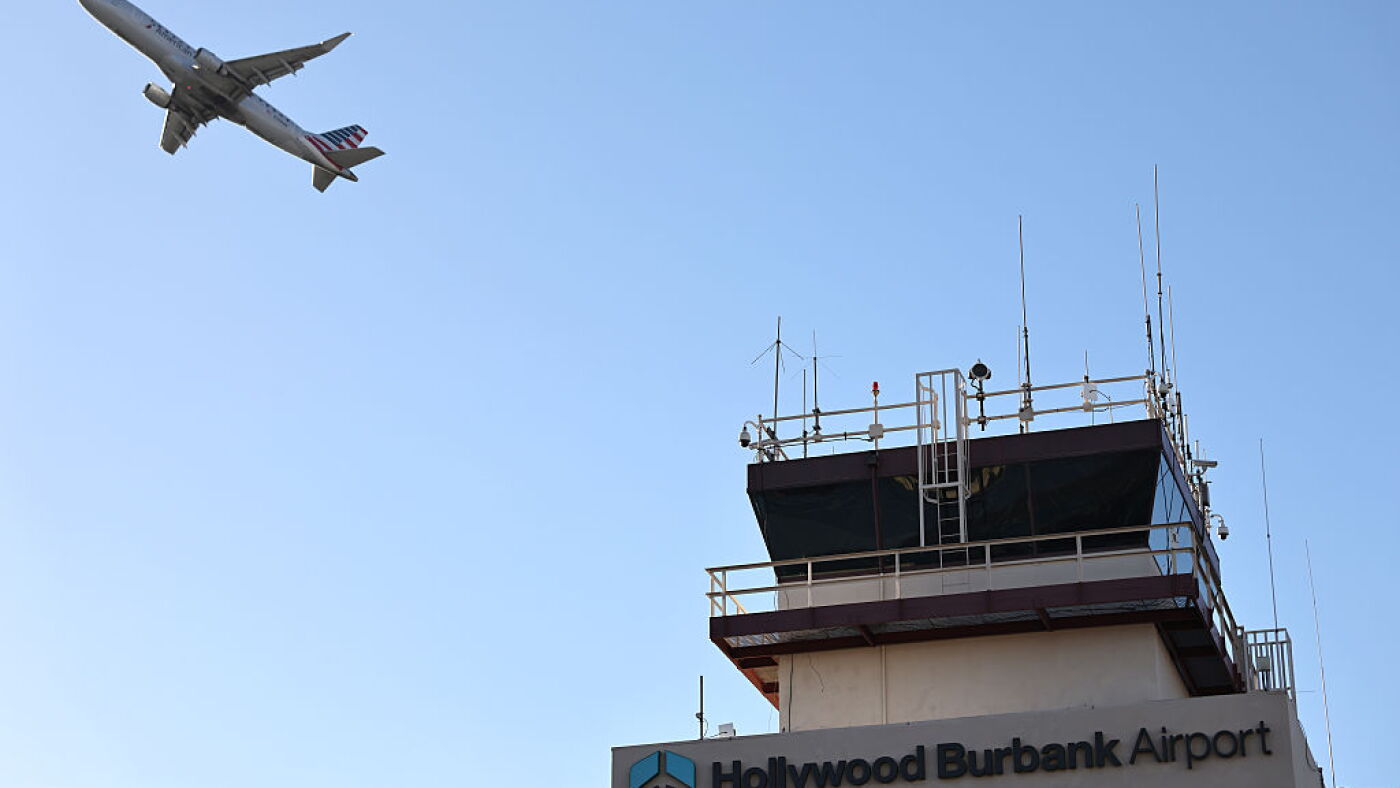
The Federal Aviation Administration officially initiated its Strategic Management of Airspace, Routes and Trajectories system on Monday, representing an $875 million software modernization effort. The rollout began at three major airports serving the Washington, D.C. region as part of a broader $12.5 billion initiative to upgrade the nation’s air traffic control infrastructure.
Transportation Secretary Sean Duffy stated that the AI-enhanced system is designed to reshape airspace management by addressing congestion before it develops, with goals of reducing flight delays, lessening controller workload, and potentially lowering fares. FAA and Department of Transportation officials stressed that SMART functions as a decision-support tool rather than a replacement for human air traffic controllers. FAA Administrator Bryan Bedford noted during a Senate hearing earlier this year that current traffic management practices lack coordination, and the system aims to optimize scheduling by analyzing all planned flights alongside weather patterns and other relevant variables.
Air Space Intelligence, a comparatively small firm with previous experience developing AI dispatch software for Alaska Airlines and other carriers, developed the SMART system. While airlines and federal regulators expressed optimism about the technology’s potential to enhance safety and capacity, some observers questioned whether it would address systemic challenges within the air traffic control system.
Dave Riley, a former air traffic controller with over 20 years of FAA experience, characterized SMART as another useful tool rather than a transformative solution. Riley expressed skepticism that the system would resolve the sector’s most pressing issue—a significant shortage of certified controllers that currently compels many to work mandatory overtime and extended shifts. The National Air Traffic Controllers Association declined to endorse the initiative, citing its lack of involvement in the system’s design, testing, and rollout phases. Airlines for America, representing major carriers, praised the FAA’s modernization efforts as potentially strengthening safety and efficiency for travelers.
Article Attribution | Read More at Article Source
Article summary produced by Claude AI