

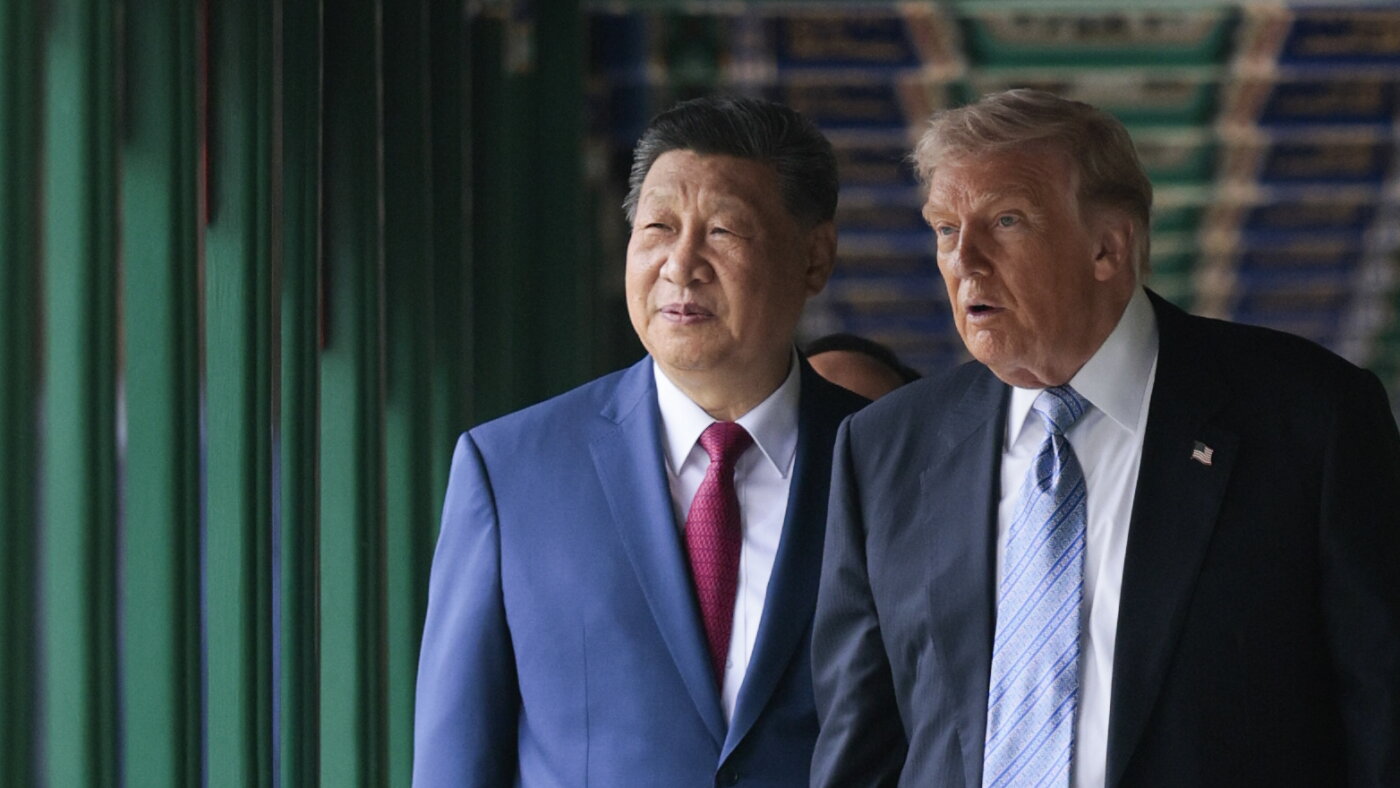
A high-level meeting between the leaders of the United States and China is scheduled to take place within the coming week, but significant planning challenges have emerged that could affect the success of the gathering. According to interviews with current and former U.S. officials and meeting planners, crucial preparations remain incomplete, including the development of briefing materials and talking points for use during the summit. The Chinese delegation has also been unable to finalize which business executives and technology leaders will attend, partly due to uncertainty over the number of seats available at the state dinner and other logistical questions.
Chinese officials have privately expressed concern about the pace and organization of preparations. Top-level leaders from China’s foreign ministry and Politburo Committee have noted dissatisfaction with last-minute planning procedures, comparing the current process unfavorably to previous diplomatic engagements. Chinese diplomats have raised concerns about ceremonial details, including how leaders will be positioned during arrival ceremonies, the composition of attendees, and other protocol matters that hold symbolic importance in diplomatic contexts. Beijing sought clarification on more than a dozen logistical questions during a July visit by Vice Foreign Minister Ma Zhaoxu, though concrete answers were not forthcoming at that time.
Despite the planning challenges, Chinese leadership has expressed optimism about the summit as an opportunity to engage with the Trump administration. However, competing priorities within various U.S. government agencies have contributed to delays in preparation work. The White House has indicated it will apply a principle of reciprocity in providing access and programming to the Chinese delegation, similar to what was offered to the U.S. President during a May visit to Beijing. This approach has affected several planned elements, including a proposed university speech that was ultimately dropped due to this reciprocity standard.
Business engagement represents another area of uncertainty. The White House has encouraged China to bring corporate executives and technology leaders, particularly given growing calls for cooperation on artificial intelligence governance. However, China’s reluctance to travel abroad with business leaders, combined with questions about what meetings executives could arrange and confusion over state dinner seating allocations, has prevented Beijing from finalizing its delegation composition. The planned state dinner will accommodate approximately 100 guests, significantly fewer than the 200-person banquet hosted during a prior Chinese state visit.
Article Attribution | Read More at Article Source
Article summary produced by Claude AI