

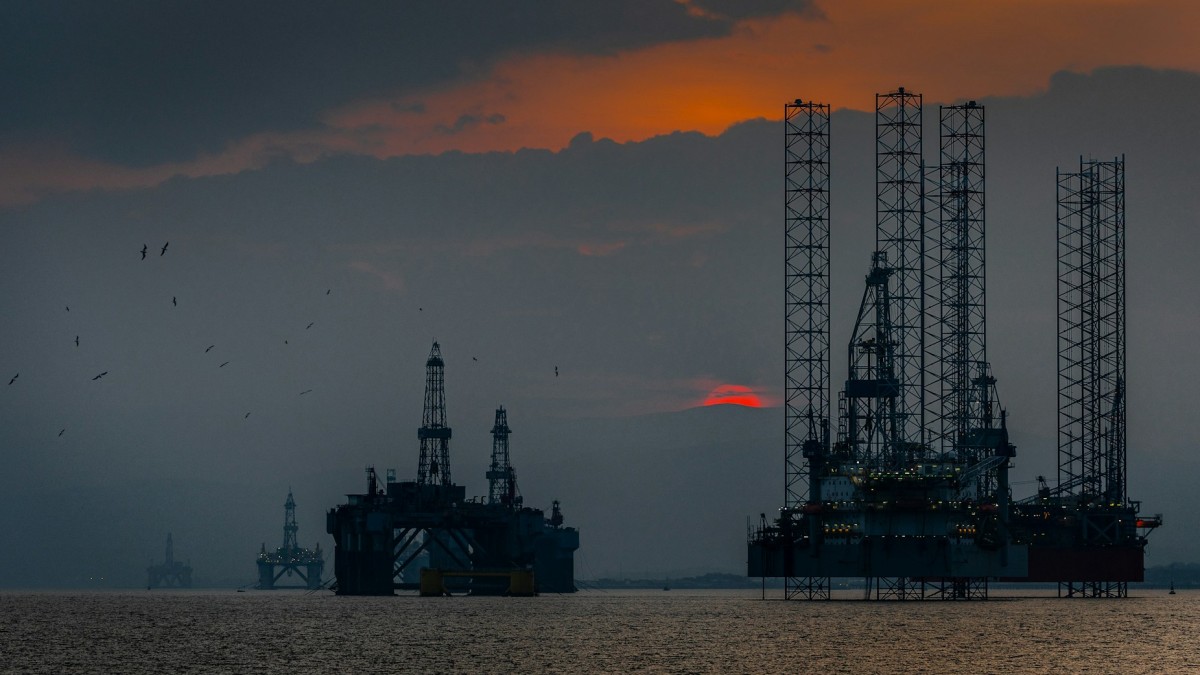
The UK government is preparing to make a significant determination regarding approval of the Jackdaw and Rosebank oil and gas fields in the North Sea, with substantial private capital investment contingent on the outcome. The decision carries implications that extend beyond these two projects, touching on broader questions about Britain’s role in energy production and investment climate.
The approval process occurs against a backdrop of declining investment in North Sea operations. Multiple years of shifting government policies, restrictions on new drilling activities, and the Energy Profits Levy have created challenging conditions for operators seeking to justify capital deployment in UK waters. This policy environment has prompted major energy companies to redirect investments elsewhere, with BP announcing recently that it would divest its UK North Sea operations. Notably, investment capital has increasingly flowed to Norwegian continental shelf operations, which now receive approximately ten times more investment than comparable UK projects, despite geographic proximity to British waters.
The accelerating pace of field closures carries fiscal consequences that extend beyond direct tax revenues from production. The North Sea Transition Authority reported that decommissioning activities will consume nearly a quarter of all basin spending over the coming five years, with this figure projected to exceed capital investment starting in 2029. Since companies can offset substantial decommissioning costs against tax liabilities, accelerated closures bring forward significant tax relief obligations while reducing future revenue streams. Combined projections suggest this dynamic could approach £13 billion in fiscal impact by 2035.
Approval of both projects would constitute one step toward restoring investor confidence, though observers contend additional measures would be necessary to reverse declining investment trends. These include establishing more predictable fiscal frameworks for operators, removing restrictions on new drilling, and reforming existing levy structures. The underlying tension centers on whether Britain will maintain domestic energy production capacity or rely on imports from other nations to meet ongoing demand for oil and gas resources.
Article Attribution | Read More at Article Source
Article summary produced by Claude AI