

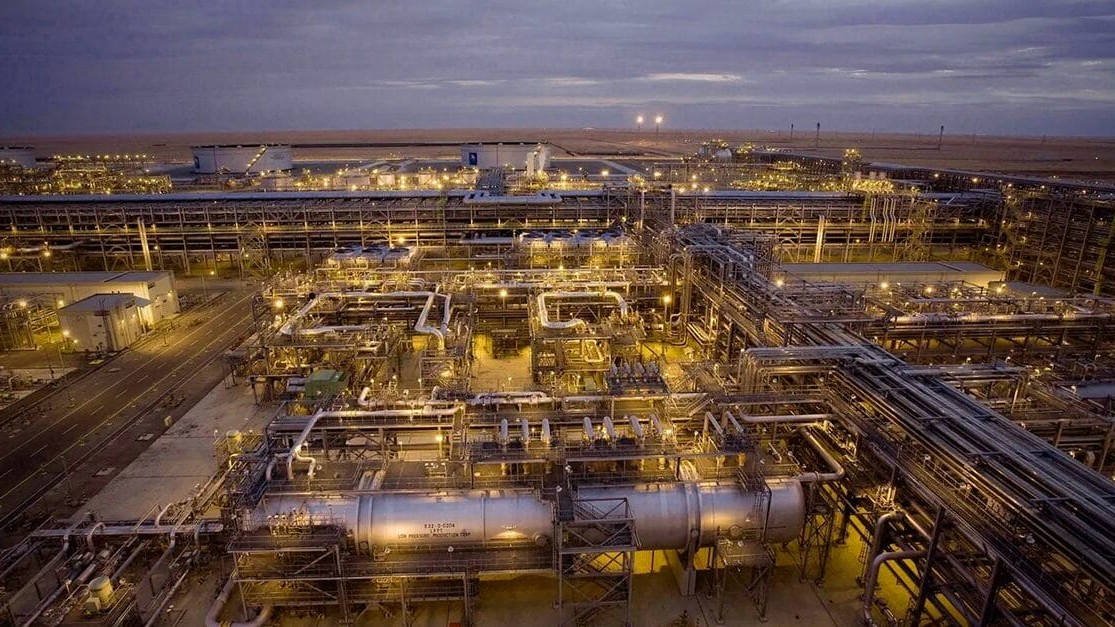
Iraq has announced ambitious targets to substantially increase its crude oil production within the next six years, according to a statement from Prime Minister Ali al-Zaidi. The proposal seeks to raise output to between 8 million and 10 million barrels per day, a significant increase from current production levels recorded before a major maritime blockade began in February.
Analysts identify three factors that could enable Iraq to achieve these production goals. First, Iraq possesses substantial proven crude oil reserves estimated at 145 billion barrels according to official figures, representing nearly 18 percent of total Middle Eastern reserves. Unofficial assessments suggest undiscovered resources could total around 215 billion barrels, with overall recoverable resources across the country estimated at approximately 246 billion barrels when including natural gas liquids. These reserve estimates align with projections outlined in Iraq’s Integrated National Energy Strategy, developed in 2013, which outlined various production scenarios ranging from 6 million to 13 million barrels per day.
Second, Iraq has made progress in reducing corruption and governance issues that previously drove away Western energy companies. Under the current administration and its predecessor, Baghdad has worked to address long-standing concerns documented by international observers, including corruption in procurement and oil operations. This shift has encouraged several major Western firms to resume operations in the country, bringing experienced personnel and advanced technological capabilities essential for infrastructure development.
Third, French energy company TotalEnergies’ ratified 27-billion-dollar development project represents a significant infrastructure investment. A key component involves capturing associated gas produced during oil drilling operations, which would reduce the amount of crude Iraq currently dedicates to domestic power generation. This efficiency gain would free up additional oil for export and provide revenue for further field development investments.
Currently, Saudi Arabia remains the region’s largest oil producer, with production recorded at 10.1 million barrels per day before the blockade, compared to Iraq’s 4.14 million barrels per day during the same period.
Article Attribution | Read More at Article Source
Article summary produced by Claude AI