

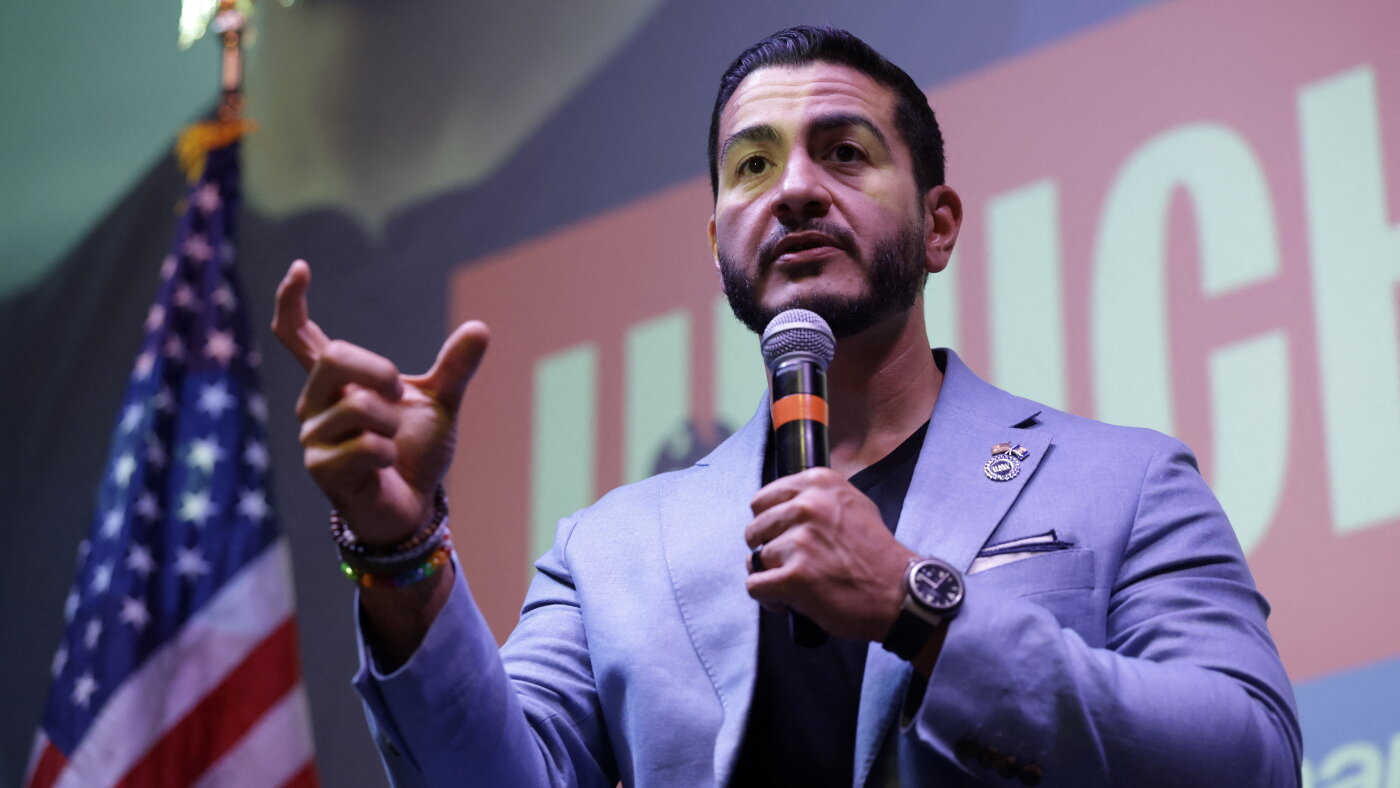
Michigan Democrats are attempting to repair divisions within their party following a competitive primary contest last month that produced Abdul El-Sayed as the Senate nominee. The effort to consolidate party support comes as Democrats seek to retain a Senate seat viewed as critical to controlling the chamber, according to state officials and party organizers.
El-Sayed, a former public health official who advanced his Medicare for All platform with support from prominent progressive figures, narrowly won the primary against an opponent backed by most state Democratic establishment figures. However, tensions persist, particularly among Jewish voters who harbor concerns about El-Sayed’s historical criticism of Israel and his attacks on his opponent’s funding from the pro-Israel advocacy group AIPAC. The candidate’s remarks following a March incident at a local preschool have intensified apprehension within this voting bloc, though El-Sayed recently held outreach sessions with the Michigan Democratic Jewish Caucus to address concerns and seek reconciliation.
Senator Elissa Slotkin, a moderate Democrat who won her own close Senate race two years ago by a narrow margin, is among party leaders working to build consensus. Slotkin has emphasized common ground with El-Sayed on core issues including democratic preservation while acknowledging policy disagreements. Party grassroots organizers in various counties are attempting to energize volunteers around El-Sayed’s populist messaging, though some Democrats express concern that controversial positions—including calls to abolish ICE and past rhetoric about police funding—could alienate persuadable voters in conservative areas.
Democrats face the dual challenge of unifying their own base while appealing to independents and Republican-leaning voters, particularly in deep red regions of the state. Some party members remain hopeful that El-Sayed’s message could mobilize infrequent voters and young people, while others worry demographic stereotypes and policy positions may prove liabilities. State party leaders maintain optimism that pragmatic Michigan voters will consolidate behind the nominee following the primary contest.
Article Attribution | Read More at Article Source
Article summary produced by Claude AI