

The global energy and maritime sectors are experiencing a strategic convergence driven by geopolitical concerns and the need to secure alternative supply routes. Abu Dhabi’s ADNOC investment arm, XRG, is reportedly in preliminary discussions to acquire up to 50% of Energos Infrastructure, a floating liquefied natural gas company valued above $3 billion. The prospective transaction would give XRG access to a portfolio of 13 floating LNG assets currently deployed across Brazil, Egypt, Indonesia, Mexico and the Netherlands, comprising floating storage, regasification units, and LNG carriers.
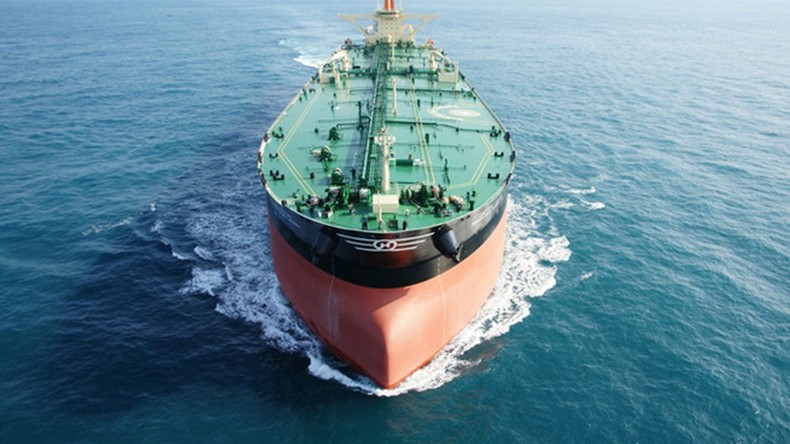
Simultaneously, global shipowners are placing VLCC crude oil tanker orders at unprecedented levels, with estimates ranging from 164 to 217 vessels ordered in 2026 alone—surpassing the highest volumes recorded over the preceding 25 years. This represents an investment exceeding $20 billion and reflects the industry’s commitment to supporting longer maritime routes for crude transportation. These parallel developments underscore how energy companies are pivoting their strategies away from a supply-dominated market mindset toward one prioritizing supply security amid regional disruptions.
Floating regasification infrastructure has become strategically valuable because it offers rapid deployment and flexibility in responding to supply interruptions, as demonstrated following major geopolitical events. Unlike fixed liquefaction facilities, floating assets can be repositioned and adapted to changing regional security requirements and price conditions, effectively functioning as mobile strategic access points. XRG’s broader ambition includes assembling a global LNG portfolio reaching approximately 25 million tons per year by 2035, with planned exposure across production, liquefaction, transportation, regasification, and market access.
The surge in VLCC orders reflects shipowners’ assessment that longer energy trade routes will persist in the foreseeable future due to geopolitical fragmentation and chokepoint vulnerabilities. However, this unprecedented ordering wave carries execution risks, including potential freight-rate compression if crude demand does not sustain the additional transportation capacity being constructed. Industry observers note that the aging crude tanker fleet, with roughly 20% of vessels exceeding 20 years old, supports replacement demand, though extended vessel lifecycles could delay the anticipated scrapping of older units and further complicate market dynamics.
Article Attribution | Read More at Article Source
Article summary produced by Claude AI