

The European Union has successfully reduced its reliance on Russian energy imports and fossil fuels in recent years, but in doing so has created a new strategic vulnerability by becoming heavily dependent on China for renewable energy components and critical materials.
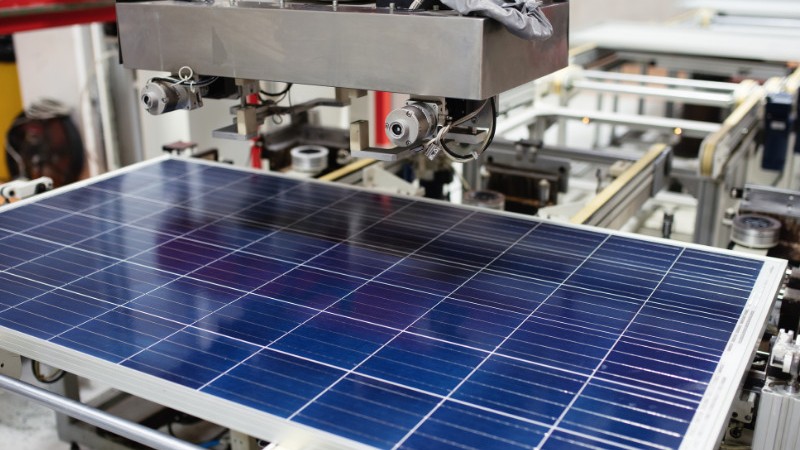
As the EU accelerated its clean energy transition following the launch of the EU Green Deal, Russia’s invasion of Ukraine, and regional crises in the Middle East, it increasingly turned to Chinese suppliers for solar panels, wind turbines, batteries, and essential minerals. Chinese products have dominated the European market due to their lower costs, accounting for 98% of European solar panels, 88% of lithium-ion battery imports, and 61% of inverter imports as of the previous year. While this reliance has enabled faster and more affordable renewable energy deployment, EU officials and analysts have raised concerns about the implications for European economic, energy, and national security.
EU Climate Action Commissioner Wopke Hoekstra has emphasized the urgency of reducing Chinese dependence, warning that the costs of building domestic manufacturing capacity will increase the longer the bloc delays action. A report by the European Court of Auditors found that current efforts to diversify imports and boost domestic production have produced limited results, with bottlenecks in manufacturing and recycling still in early stages. The EU has launched initiatives including a Raw Materials Mechanism platform and is seeking partnerships with countries such as Brazil to develop alternative supply chains.
Despite these policy efforts, analysts note that Europe has essentially replaced one geopolitical vulnerability with another. Research indicates that recent EU policies have not achieved meaningful progress in reducing dependence on Chinese clean technology manufacturers. Experts warn that without successfully managing this reliance, European economies face potential harm, and the continent’s artificial intelligence ambitions could be compromised by continued dependence on Chinese battery technology.
Article Attribution | Read More at Article Source
Article summary produced by Claude AI