

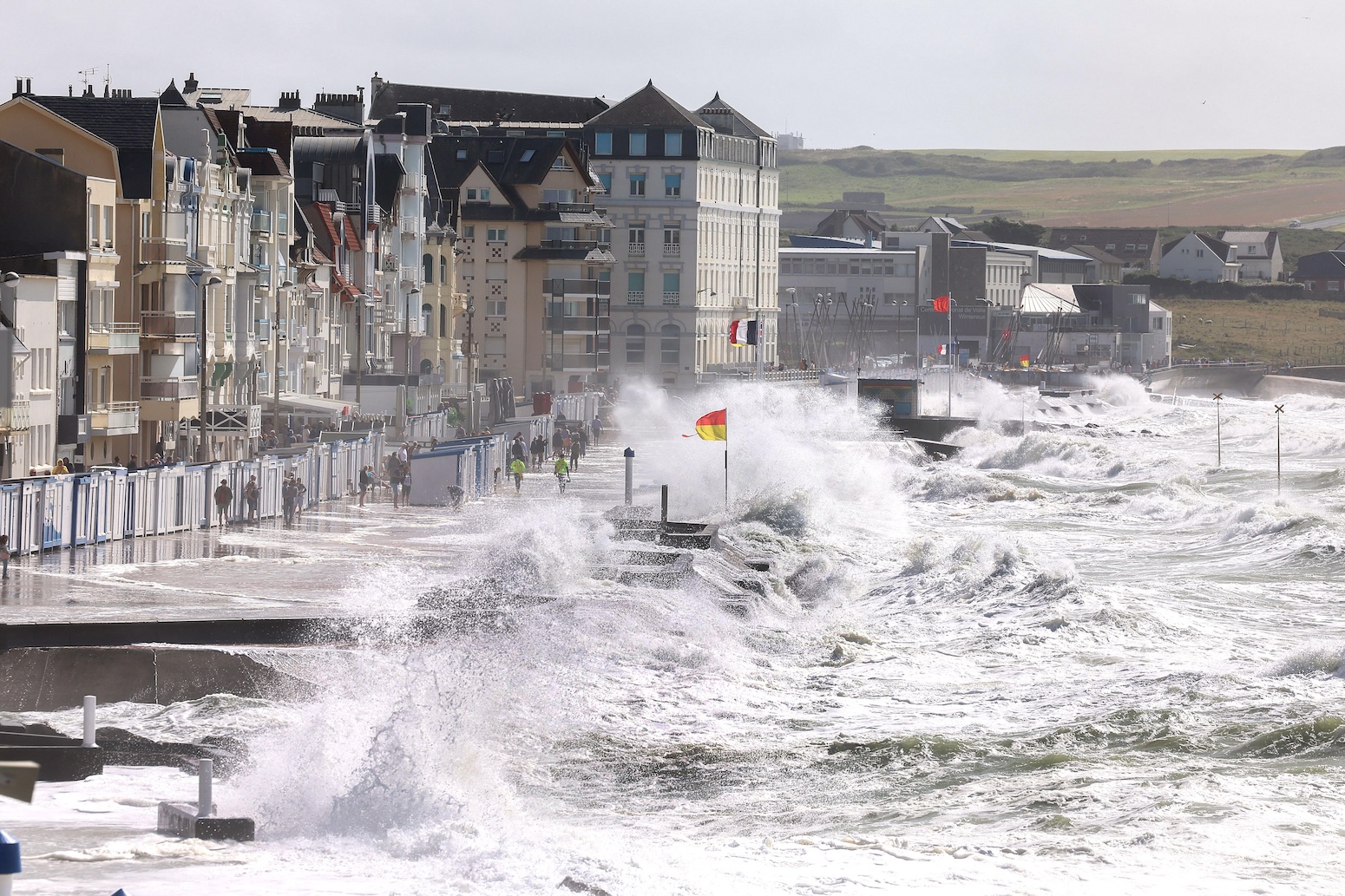
Global sea levels are rising at unprecedented rates, driven primarily by human activity since at least 1970. Ocean levels increased by 20 centimetres between 1901 and 2018, with the pace accelerating significantly in recent decades. Since 1993 alone, seas have risen 10.6 centimetres. Under moderate-emission scenarios, scientists project an additional 56 centimetre rise by 2100 relative to 1995-2014 baseline levels. This week at the UN general assembly in New York, world leaders are expected to formally adopt a high-level declaration recognizing sea level rise as an existential threat to human populations, economic systems and natural ecosystems.
Approximately 770 million people—roughly 10 percent of the global population—face acute risk from sea level rise, according to a UN secretary general report released last month. At-risk populations include residents of major cities such as Mumbai, Kolkata, Shenzhen and Guangzhou, as well as entire populations of island nations. Sea level rise manifests differently across regions due to factors including seismic activity, groundwater extraction and land subsidence. Local relative sea level rise can differ substantially from global averages, particularly in areas experiencing significant vertical land motion. Jakarta exemplifies this trend, sinking up to 15 centimetres annually over the past decade due to groundwater overextraction.
The consequences of rising seas are already visible and accelerating. Coastal communities face increased flooding, strengthened storm surges, beach and cliff erosion, and saltwater intrusion that threatens agricultural productivity. Extreme sea level events that historically occurred once per century have increased 12-fold since 1900. Under moderate-emissions scenarios, such events may become annual occurrences in many locations by century’s end. Critical infrastructure including water systems and wastewater management face heightened vulnerability, with disproportionate impacts on low-income and marginalized populations.
Population growth in coastal areas continues to outpace inland growth, complicating adaptation efforts. Between 2000 and 2018, global population increased by 23 percent, while coastal populations within 5 kilometres of shorelines grew by 28 percent. This concentrated development exposes more people and assets to rising water. Annual flood losses in the world’s 136 largest coastal cities could reach $52 billion by 2050, up from $6 billion in 2005, even without additional sea level rise.
Communities worldwide have implemented adaptive measures ranging from technological solutions to natural ecosystem restoration. Venice’s floodgate system, operational since October 2020, has been deployed multiple times to protect the city from Adriatic encroachment. Other approaches include seawalls, mangrove and marsh restoration, development restrictions and relocation initiatives. However, existing protections may prove insufficient under low-emissions scenarios, with defences potentially breached 10 times more frequently over the next 30 years. Coastal ecosystems face simultaneous pressures from development and rising seas, a phenomenon termed coastal squeeze that has contributed to widespread wetland loss globally.
Article Attribution | Read More at Article Source
Article summary produced by Claude AI