

The international climate modeling community has released a new generation of emissions scenarios to drive climate simulations for the seventh phase of the Coupled Model Intercomparison Project, known as CMIP7. These scenarios will serve as the foundation for future climate projections featured in the Intergovernmental Panel on Climate Change’s seventh assessment cycle. High-level details were published in April 2026, with the underlying data released to the public on September 1.
The new CMIP7 scenarios represent a significant departure from their predecessors, the “shared socioeconomic pathways” used in previous climate modeling rounds. Rather than using the enigmatic naming convention based on radiative forcing levels, the new scenarios employ straightforward names based on emissions trajectories, ranging from “low-to-negative” to “high.” Additionally, the scenarios have shifted focus from examining hypothetical worlds without climate policies to exploring outcomes under scenarios where current policies persist, strengthen, or weaken.
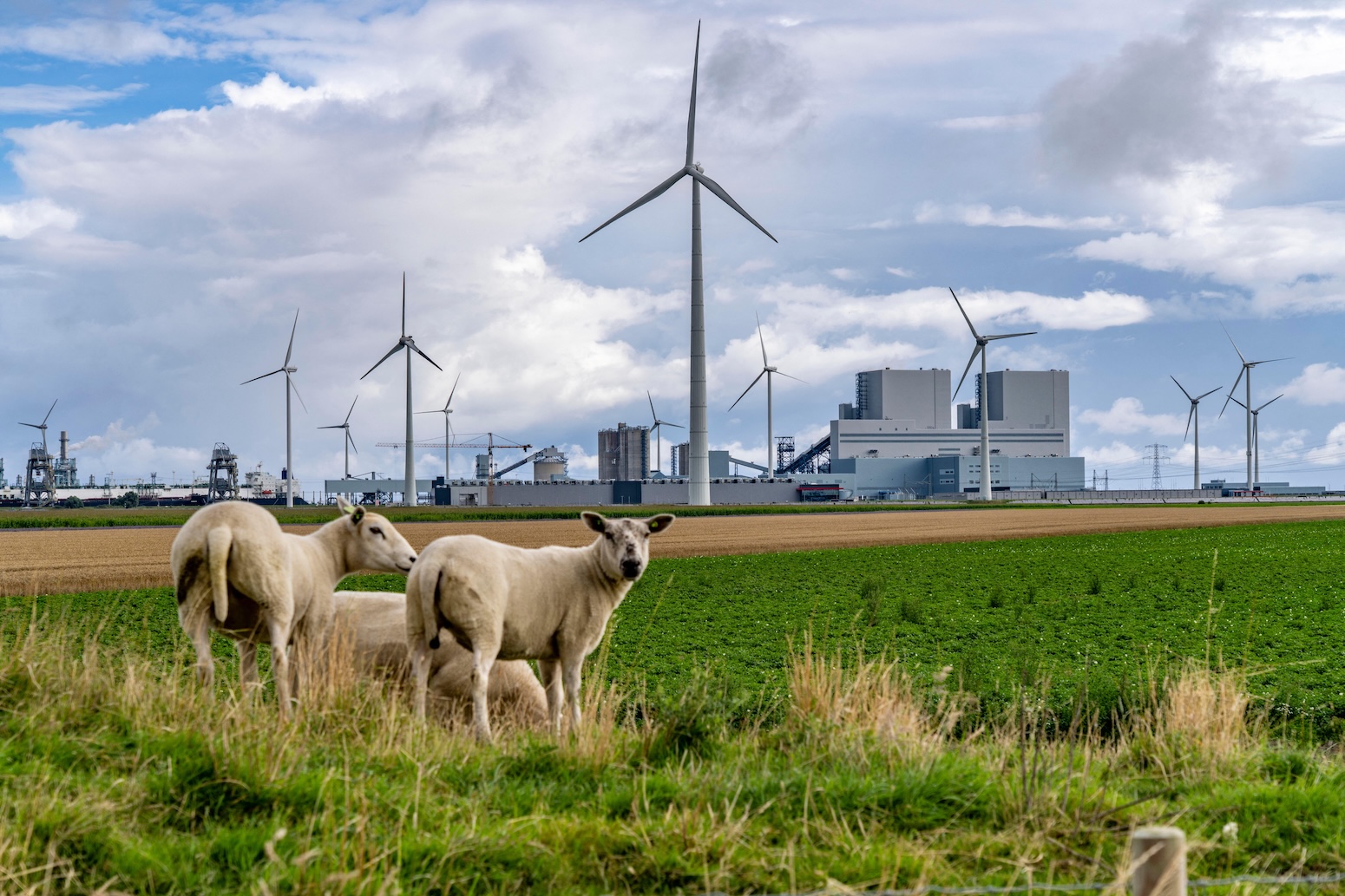
A key change involves revised emissions projections at both ends of the spectrum. The highest emissions scenarios have been substantially reduced to reflect a world where coal-dominated development throughout the 21st century is no longer considered plausible. Conversely, the lowest emissions pathways have been raised, acknowledging that some overshoot of the Paris Agreement’s 1.5 degrees Celsius target is now unavoidable. The seven new scenarios are underpinned by updated socioeconomic assumptions, including revised population and economic growth projections completed in 2024. Most scenarios now build on the “middle-of-the-road” socioeconomic storyline, with updated global population projections showing 9.9 billion people by 2100, representing a significant increase from earlier estimates.
Initial climate model runs began in spring 2026, with results expected later this year. The scenarios will provide the primary evidence base for examining how human activities could shape Earth’s climate across a range of plausible futures.
Article Attribution | Read More at Article Source
Article summary produced by Claude AI