

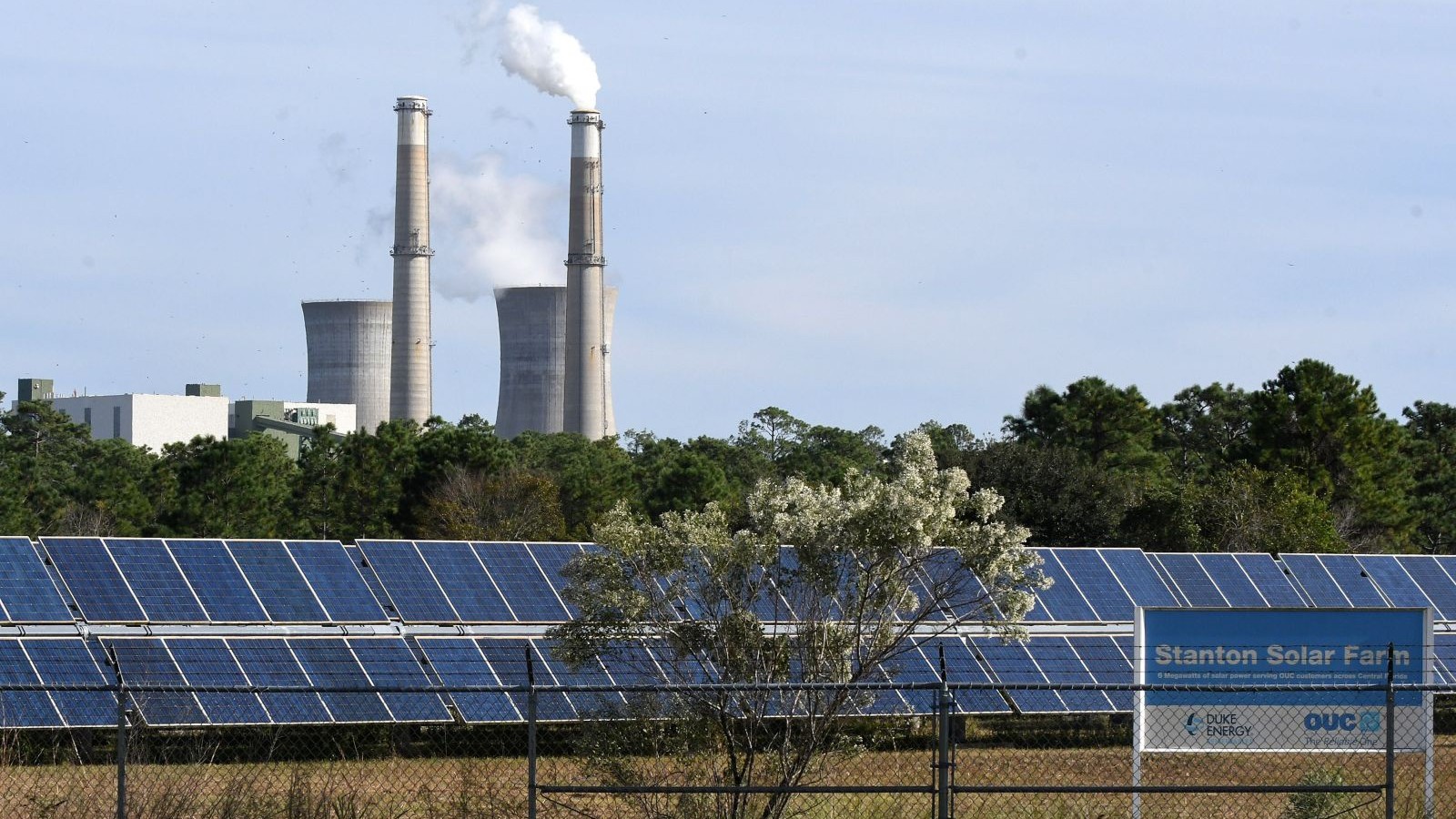
Senators from both parties are pursuing legislation to reform the federal permitting process for energy projects, which they characterize as outdated and burdensome. The effort aims to address rapidly increasing electricity demand across the country, driven partly by technology companies’ expansion of data center facilities. The most recent attempt at similar reform, the Energy Permitting Reform Act of 2024, cleared committee but failed to receive a full Senate vote.
The permitting process currently requires extensive environmental impact studies, reviews across multiple federal agencies, and faces legal challenges from environmental groups and project opponents, all of which substantially delay energy infrastructure development. Industry leaders argue these obstacles impede construction of renewable and conventional power generation alike. Senior members of both parties’ energy committees are negotiating the bill’s language, with discussions expected to intensify following the midterm elections. The draft legislation remains confidential, but stakeholders anticipate it would streamline permitting by narrowing the scope of environmental and social impacts agencies must evaluate, reducing restrictions under the Clean Water Act and Endangered Species Act regarding transmission and pipeline permits, and limiting post-issuance litigation against approved permits.
The legislative effort faces a political challenge related to public perception. Research indicates voters across party lines strongly oppose data center development in their communities, which presents difficulties for lawmakers up for reelection who support streamlined permitting. Solar and natural gas industries, positioned to benefit substantially from reform, have actively backed the measure. The administration has signaled willingness to expedite renewable energy projects, though some Democratic senators seek clarification on implementation before briefing colleagues.
Electricity demand is projected to increase substantially due to multiple factors, including residential electrification through heat pumps and electric vehicles, manufacturing growth, and data center expansion. Solar power and battery storage account for nearly eighty percent of anticipated new generation capacity, while natural gas remains the dominant single electricity source and is expected to power significant data center operations in coming years.
Article Attribution | Read More at Article Source
Article summary produced by Claude AI