

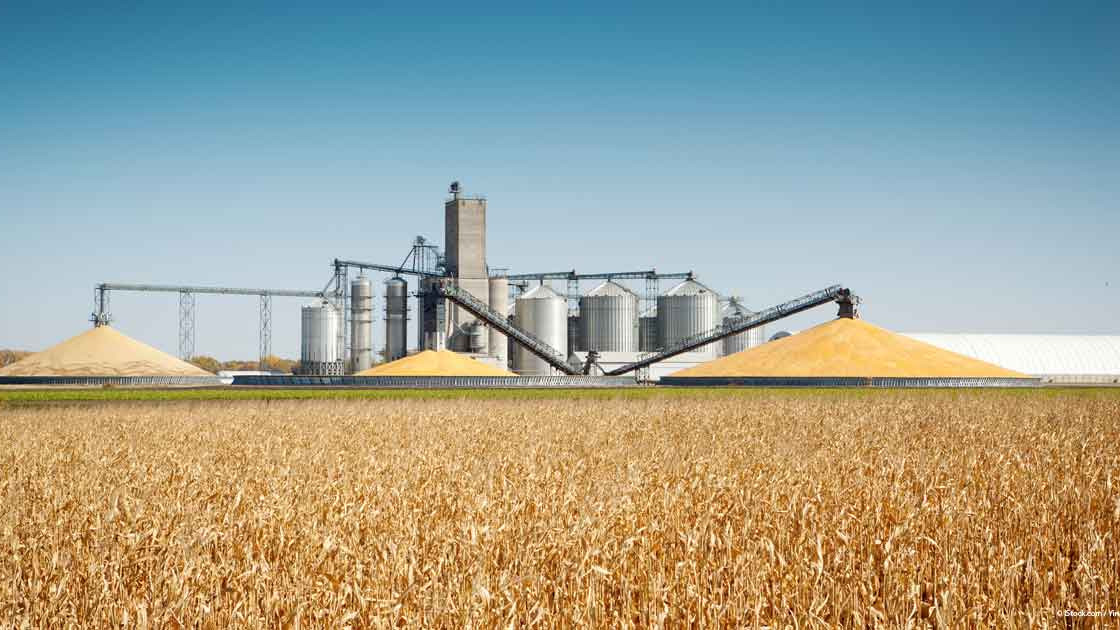
A study conducted by Chatham House and the Forest Stewardship Council projects that global biofuels production will expand by approximately 70% by 2030 as major producing nations implement higher fuel-blending mandates. The initiative stems from energy security concerns following geopolitical tensions that began in late February. Biofuels such as ethanol, which derive from food crops and animal feed, become more economically viable when crude oil and gasoline prices rise. Countries including the U.S., EU, Brazil, India, and Indonesia have adopted or proposed increased biofuel blending requirements.
The United States has significantly raised renewable fuel mandates through its Renewable Fuel Standard framework. The EPA announced the “Set 2” rule in April, establishing biomass-based diesel volume requirements of 5.4 billion gallons for 2026 and 5.7 billion gallons for 2027, compared to 3.35 billion gallons in 2025. The agency also issued an emergency waiver permitting nationwide sales of E15—gasoline blended with 15% ethanol—during the summer driving season. The European Union is considering adjusting its Renewable Energy Directive to increase eligible volumes for crop-based biofuels. Brazil has emerged as an aggressive adopter, with its National Energy Policy Council temporarily raising mandatory ethanol content in gasoline to 32% in July, with potential to reach 35% under existing law.
Indonesia launched a mandatory B50 biodiesel program on July 1, 2026, requiring a 50% palm-oil blend in conventional diesel. These countries are the world’s leading biofuel producers, with the U.S. and Brazil collectively supplying approximately 80% of global fuel ethanol.
Experts caution that the rapid expansion poses significant risks. The research indicates that fully implementing proposed mandates could require an additional 36 million hectares of land—roughly equivalent to Germany’s land area—by 2030. This expansion threatens global food security by redirecting agricultural resources from primary food crops including corn, rice, soybeans, and vegetable oils toward biofuel production. The International Council on Clean Transportation warned separately that shipping sector demand alone could drive biofuels consumption to 140 billion liters by 2035, potentially tripling vegetable oil prices and increasing food insecurity for vulnerable populations worldwide.
Article Attribution | Read More at Article Source
Article summary produced by Claude AI