

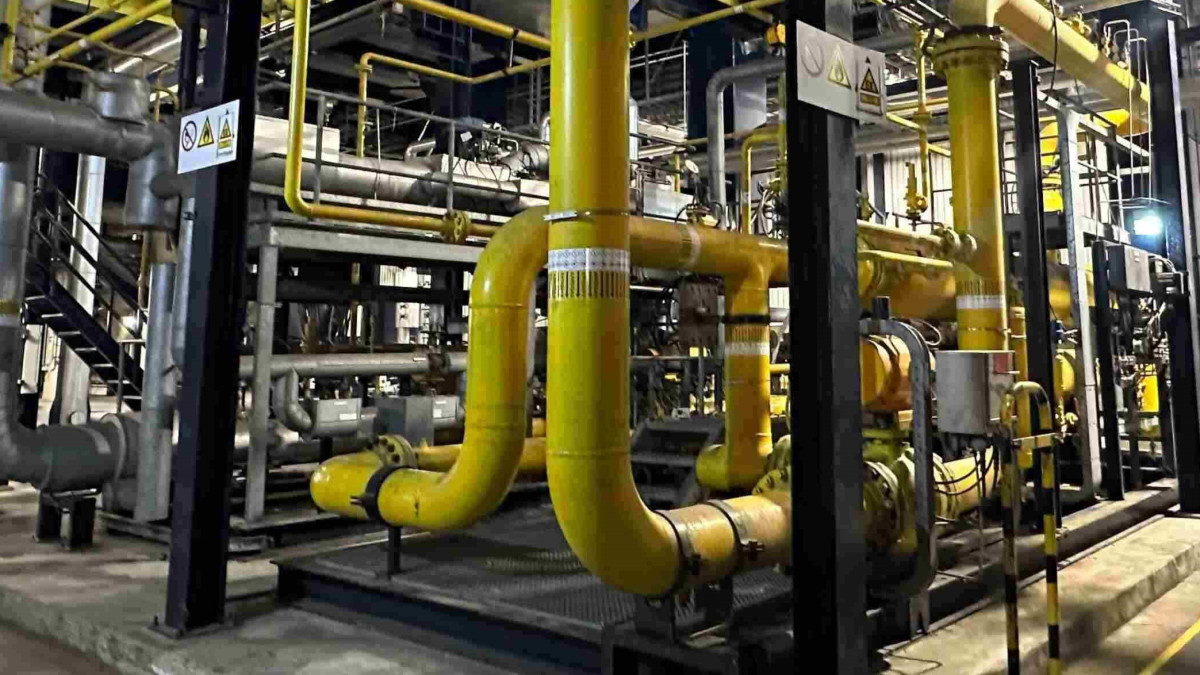
The International Gas Union has indicated that worldwide natural gas markets face prolonged supply tightness extending through the following summer, with significant implications for major consuming regions. The industry association, representing 90% of global gas producers, warns that current market conditions reflect expectations of extended geopolitical disruptions affecting supply chains.
Europe faces particular pressure as it enters its heating season with insufficient storage levels and must compete with Asian buyers for available liquefied natural gas supplies. Recent price increases have already triggered some demand reduction, though analysts debate whether this reduction will prove temporary or signal longer-term structural changes in consumption patterns. Meanwhile, Asian nations continue developing new natural gas infrastructure despite elevated costs, suggesting confidence in eventual price moderation.
Financial institutions offer mixed outlooks for the coming months. Goldman Sachs projects European gas prices averaging around 70 euros per megawatt-hour during winter—significantly higher than earlier forecasts—though potential improvements in Middle Eastern export flows could provide relief. The bank’s analysis assumes that liquefied natural gas flows from the Persian Gulf remain substantially constrained at current levels due to ongoing regional conflict.
Facing high gas costs, European power generators are increasingly turning to coal as an alternative fuel source, with consumption potentially rising by as much as 25% over the next six months. Recent benchmark prices have surged to their highest levels in three years, with notable increases recorded in the preceding month. Additionally, the European Union’s ban on Russian liquefied natural gas, set to take effect in January, will further restrict available supply sources for the continent.
Regulatory compliance requirements, particularly standards governing methane emissions tracking, have prompted resistance from major liquefied natural gas suppliers including Qatar and the United States. These tensions between climate objectives and energy security present ongoing challenges for European policymakers seeking to balance multiple strategic priorities during the supply crisis.
Article Attribution | Read More at Article Source
Article summary produced by Claude AI