

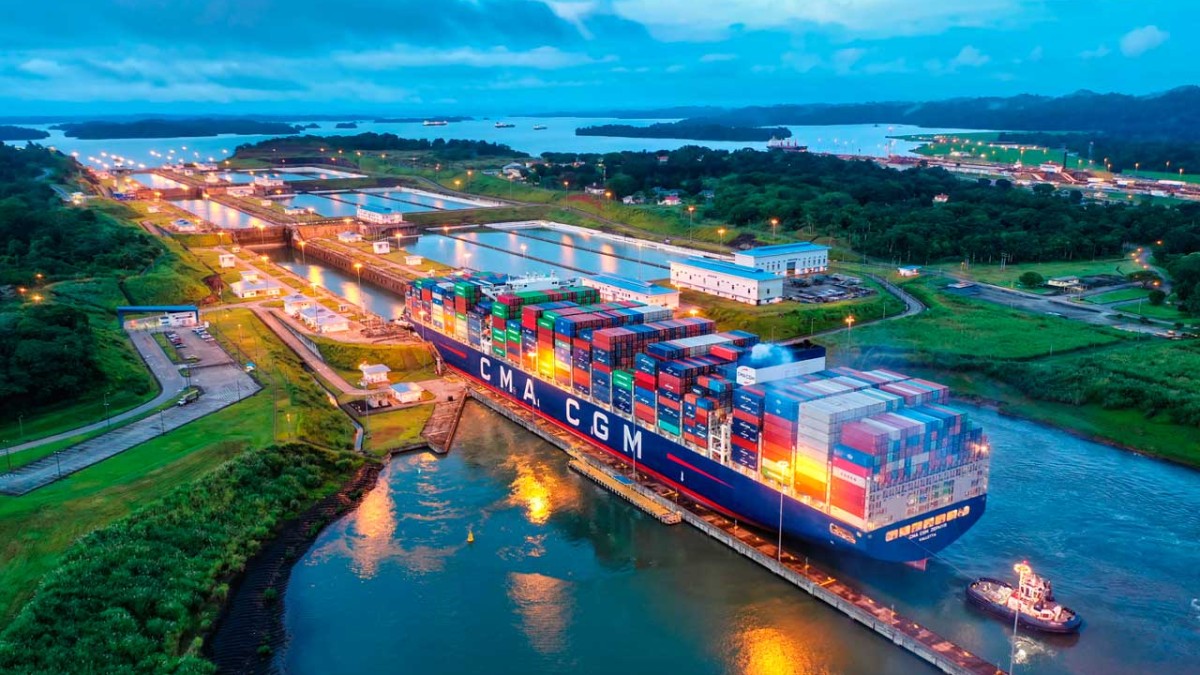
Disruptions in the Middle East have created cascading effects through major global shipping chokepoints, particularly affecting the Panama Canal and Suez Canal. These alternative routes have experienced significant increases in traffic as vessels attempt to bypass disrupted passages through the Strait of Hormuz and Bab el-Mandeb. The surge in demand has driven auction prices for canal passage slots to unprecedented levels.
Passage fees through the Panama Canal have escalated dramatically in recent months. Auction slot prices averaged above $1 million in August, representing a sixteenfold increase compared to the prior year. Individual bidders have paid as much as $5.3 million to secure specific passage dates, with records continuing to be set. These figures represent significant premiums above standard transit fees. Prior to regional hostilities, median auction prices stood around $55,000.
Operational constraints compound the capacity challenges. The Panama Canal Authority has reduced vessel traffic allowances to 34 ships as of early September, later tightened to 32 vessels, due to rainfall reductions in the canal’s watershed. Wait times for unscheduled transit have extended substantially, reaching 17 days compared to 2 days earlier in the year. The Suez Canal has similarly reported revenue surges and increased tanker transits amid regional shipping threats.
Broader shipping market conditions reflect extreme tension. Daily rates for tanker charter have exceeded $1 million for the first time, reflecting constrained vessel availability and owner reluctance to navigate disputed waters. Shipping costs across global lanes have reached record levels due to extended voyage distances, inefficient routing, and reduced tanker availability. Energy commodity cargoes represent a significant portion of the redirected traffic, as Asian markets seek alternative supplies from the United States unavailable through traditional Hormuz passages.
Article Attribution | Read More at Article Source
Article summary produced by Claude AI