

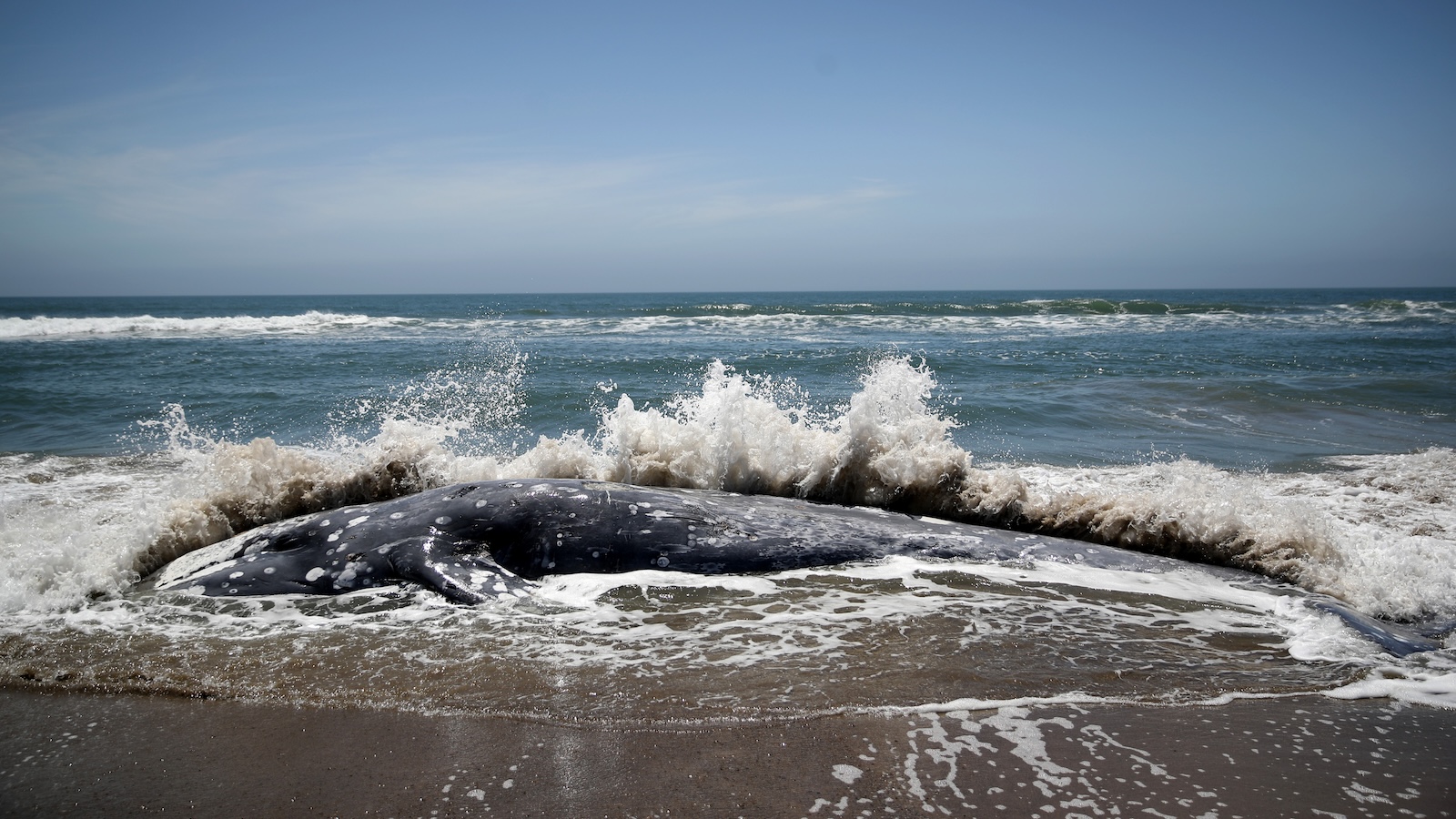
Scientists, government officials, and environmentalists convened last week in Newport, Oregon, for a two-day conference focused entirely on gray whales, reflecting growing concerns about the species’ rapidly declining population. Eastern gray whales along the U.S. West Coast have experienced a dramatic population reduction, dropping by approximately half in the past decade. This summer alone, 187 gray whales washed up dead on regional beaches, prompting urgent discussions among the approximately several hundred participants.
The leading scientific explanation for the population decline centers on climate warming in the Arctic, which has disrupted the whales’ food chain. Gray whales undertake one of the longest animal migrations, traveling from Arctic feeding grounds near Alaska during summer months to Mexican breeding grounds in winter. The rapid warming of Arctic waters, which is occurring nearly four times faster than the planet’s average rate, has caused sea ice to melt and disrupted the populations of small crustaceans that form the whales’ primary diet. Scientists theorize that malnourished whales begin migrations with insufficient energy reserves, resulting in reduced birth rates and increased mortality.
The conference atmosphere reflected tensions regarding the federal government’s response to the crisis. The Trump administration has not addressed a petition to restore gray whales to the endangered species list, and the National Oceanic and Atmospheric Administration missed the legal deadline to respond. Three conservation groups have filed notice of intent to sue, which could initiate litigation if the administration fails to respond within two months. Government scientists at the conference reportedly avoided discussing policy matters, likely due to nervousness about potential administrative retaliation.
Gray whales’ recovery demonstrates how human decisions have shaped their fate. Commercial whaling in the 19th century nearly eliminated the species, but protections implemented in the 1970s enabled populations to more than double. Officials removed them from the endangered species list in 1994 based on strong recovery numbers. However, their current decline appears linked to large-scale climate impacts beyond the scope of previous conservation efforts. Malnutrition may also be increasing vulnerability to other threats, including ship collisions and fishing gear entanglement, with some estimates suggesting that up to half of whales entering San Francisco Bay are killed by ships. Government scientists estimate eastern gray whales peaked at between 25,000 and 30,000 individuals.
Article Attribution | Read More at Article Source
Article summary produced by Claude AI