

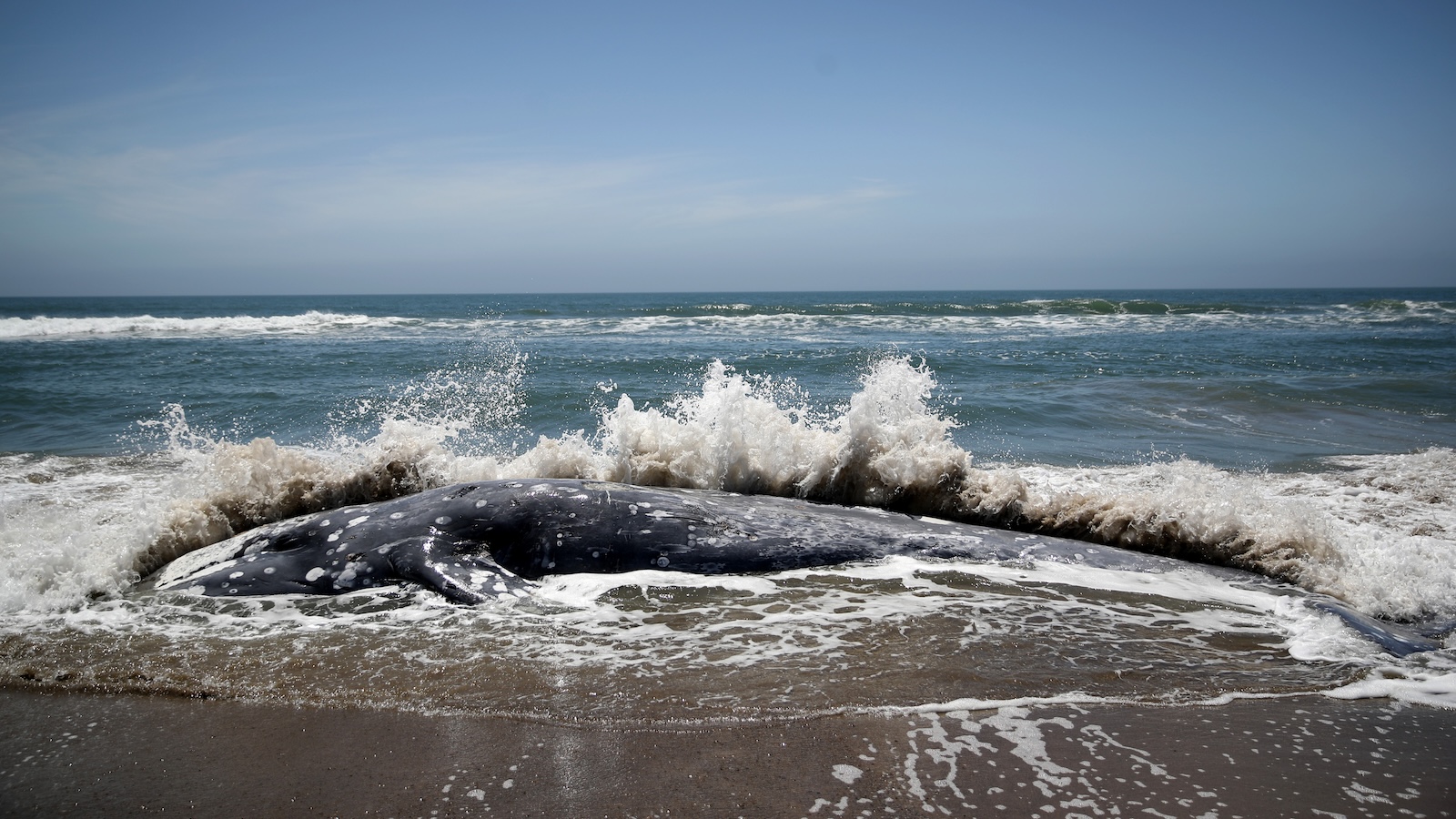
A two-day conference was convened in Newport, Oregon, to address a crisis affecting gray whales along the Pacific coast. The eastern gray whale population has experienced a dramatic decline, dropping from approximately 25,000 to 30,000 individuals at its 2016 peak to current levels representing a roughly 50 percent reduction over the past ten years. Scientists attending the gathering presented evidence linking the population collapse to environmental changes in Arctic feeding grounds where whales consume small crustaceans during summer months.
Climate change is warming the Arctic nearly four times faster than the global average, causing sea ice to melt and disrupting the food chain that sustains the species. Researchers theorize that whales are embarking on their long migration to Mexican breeding grounds with insufficient energy reserves, resulting in fewer births and increased mortality rates. This past summer alone, 187 dead gray whales washed ashore across the region, underscoring the severity of the situation.
The conference atmosphere reflected political tensions surrounding potential protective measures. Gray whales were removed from the Endangered Species Act protection list in 1994 following a successful recovery from commercial whaling that had driven them to historic lows. Conservation groups have now petitioned to restore their protected status, and three organizations filed notice of intent to sue after the National Oceanic and Atmospheric Administration missed a legal deadline to respond to the relisting petition. The Trump administration has implemented significant budget cuts and staffing reductions at NOAA and proposed eliminating the Marine Mammal Commission.
Compounding malnutrition challenges, gray whales face additional threats including ship collisions and entanglement in fishing gear along their migration route. In the San Francisco Bay Area specifically, an estimated 20 to 50 percent of whales entering the waterway die from vessel strikes. Scientists emphasized that without substantial reductions in greenhouse gas emissions, the consequences for gray whales and other Arctic-dependent species could be severe.
Article Attribution | Read More at Article Source
Article summary produced by Claude AI