

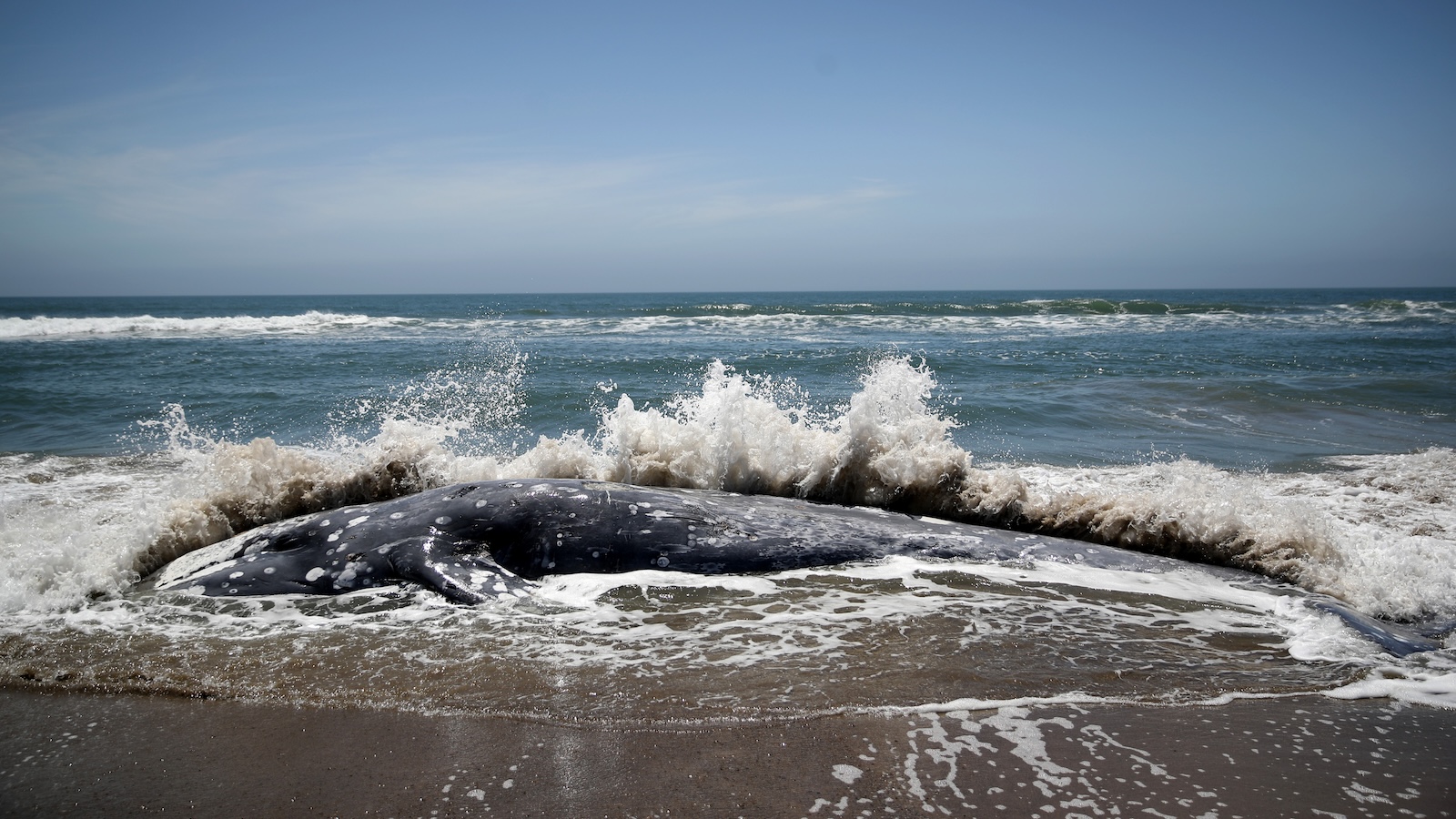
A two-day scientific conference in Newport, Oregon, convened recently to address a significant decline in gray whale populations. Attendance from government officials, scientists, and environmental advocates highlighted the urgency of the situation, as Eastern gray whale numbers have fallen approximately in half over the last decade. This past summer saw 187 gray whales wash ashore dead across the region, marking a visible indicator of a broader population crisis.
Climate change in Arctic waters appears to be the primary driver of the decline. The Arctic is warming nearly four times faster than the global average, causing sea ice to melt and disrupting the ecosystem that supports small crustaceans that gray whales depend on as their primary food source. As a result, whales are beginning their migrations to breeding grounds in Mexico with insufficient energy reserves, contributing to reduced birth rates and increased mortality.
Gray whales have been absent from the Endangered Species Act’s protected species list for decades, following their recovery from commercial whaling in the 20th century. The National Oceanic and Atmospheric Administration missed a legal deadline to respond to a petition seeking to relist the species, prompting three conservation organizations to file notice of intent to sue. That lawsuit could proceed if the administration does not respond within two months. Meanwhile, the agency has delayed releasing whale birth count data and faces budgetary constraints under the current administration.
The challenging political environment reportedly influenced the conference atmosphere. Scientists and government employees appeared cautious about discussing policy implications, possibly due to recent reductions in federal funding and staffing at NOAA. The Western gray whale population near East Asia and Russia also faces severe pressures, with only a few hundred individuals remaining.
Hunger may be compounding other threats to gray whales, including ship collisions and fishing gear entanglement. Increased strandings in the San Francisco Bay Area suggest whales are foraging in dangerous waters, with estimates suggesting that up to half of whales entering the bay may be killed by ships.
Article Attribution | Read More at Article Source
Article summary produced by Claude AI