

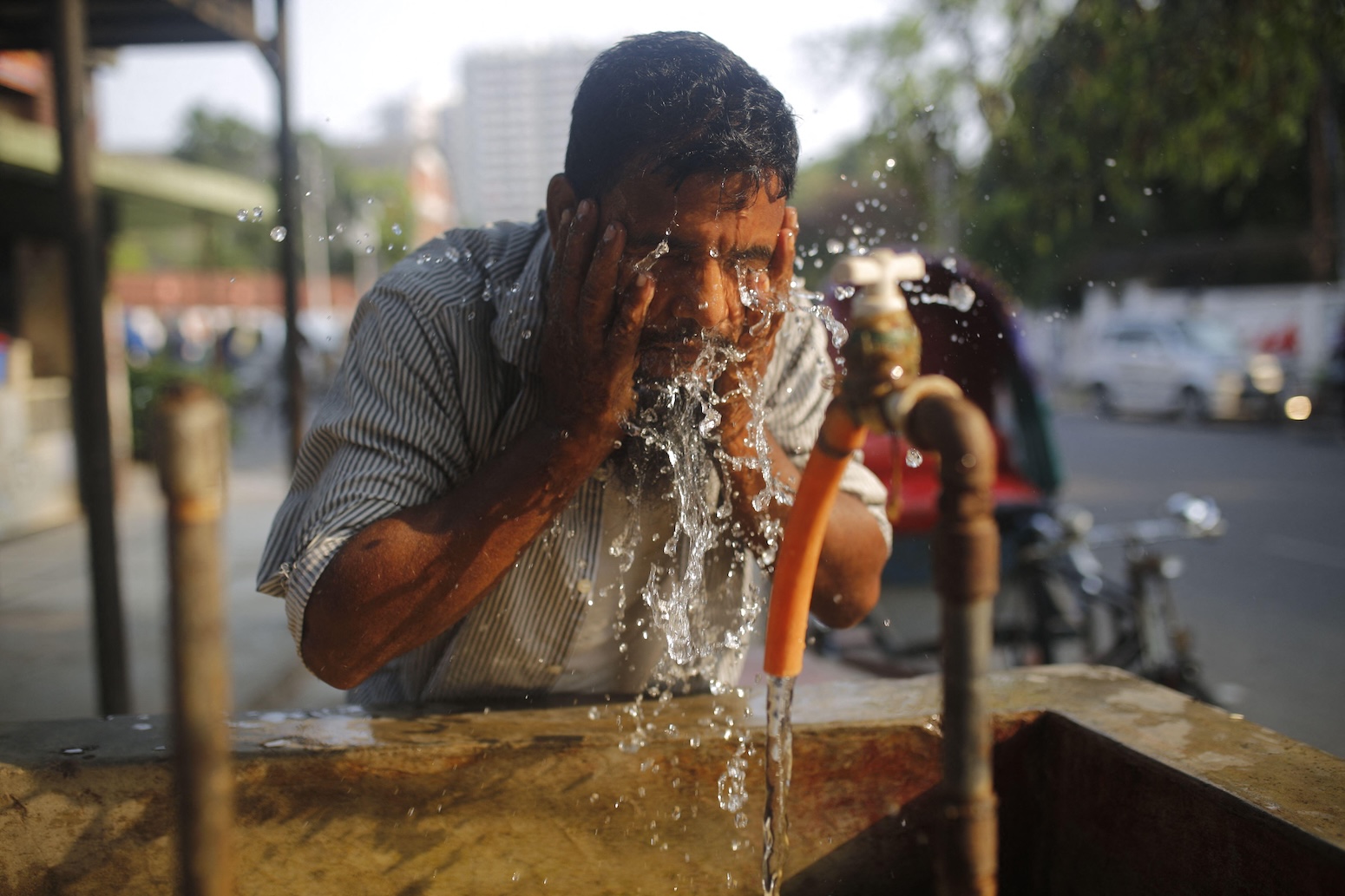
A study published in AGU Advances examines how the timing of extreme heat events is shifting across the calendar year as global temperatures rise. Rather than remaining concentrated in traditional summer months, dangerous heat is expanding into shoulder seasons—the months immediately before and after peak heat periods—though this expansion occurs unevenly across different regions.
Researchers defined local heat seasons as the three consecutive months when extreme heat events occurred most frequently during the 1980s baseline period. By analyzing climate data from 1980 to 2024 using multiple datasets, the study tracked changes in when extreme heat days now occur relative to these historical patterns. The analysis measured both dry heat and humid heat separately, as each presents distinct hazards: dry heat threatens plants and ecosystems, while humid heat poses greater risks to human health.
Findings reveal that in the 1980s, approximately 93 percent of global land area experienced more than 80 percent of extreme dry-heat days during its traditional heat season. However, this clear seasonal concentration has begun to dissolve. More than half of the world’s land now experiences extreme heat spreading into shoulder seasons, but the direction of this creep varies by location. Western Europe, southern Africa, and northwestern India show greater increases in extreme heat during spring months preceding their traditional heat seasons. Conversely, much of the United States, eastern China, northern Africa, and eastern Europe are experiencing more frequent extreme heat events in autumn months following their historical peak heat periods.
The research explores whether simple annual warming could explain these shifts. While uniform warming across the calendar year accounts for changes within traditional heat seasons, it does not fully explain the uneven expansion into shoulder seasons. This indicates that more complex climate mechanisms are influencing when and where extreme heat events occur, with significant implications for public health preparedness and infrastructure planning across different regions.
Article Attribution | Read More at Article Source
Article summary produced by Claude AI