

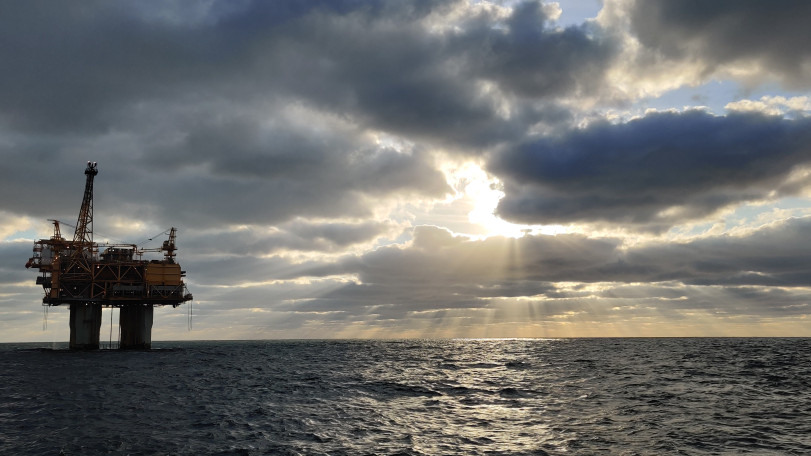
Guyana is experiencing rapid economic transformation driven by offshore oil production from the Stabroek Block, which began generating crude in December 2019. The nation’s output has grown substantially and is projected to surpass one million barrels per day by year-end, positioning it as the region’s third-largest producer behind Brazil and Venezuela. Government officials project that oil revenues will reach $6.50 billion this year, supporting anticipated GDP growth of 20.8 percent.
The oil sector’s expansion is fueling broader economic development across multiple industries. Construction, logistics, engineering, manufacturing, transport, and financial services have all benefited from approximately $3.6 billion in investor spending with local businesses between 2019 and 2025. Recent economic growth data showed the country expanding at 33 percent during the first half of 2026, making it the world’s fastest-growing economy. Future production targets include 1.3 million barrels per day by 2027 and 1.7 million by 2030, supported by major projects including the $12.7 billion Uaru development.
Government authorities have outlined ambitious spending initiatives for oil revenues, including construction of 40,000 homes over five years, infrastructure development, educational expansion, and healthcare improvements. Officials have already implemented tax reductions, built new bridges and highways, eliminated college tuition fees, and distributed cash payments to citizens. The nation’s small population of one million means per capita oil reserves rank second globally, behind only Kuwait.
However, debate continues regarding revenue distribution and contract terms. Some economists argue that Guyana’s 14.5 percent stake in Exxon-operated projects represents an unfavorable arrangement compared to arrangements in countries like Norway and Brazil. Meanwhile, concerns persist about whether benefits are reaching ordinary citizens, with observers noting ongoing infrastructure deficits including inadequate sewage systems, substandard housing, and public safety issues. Industry observers suggest the nation has an opportunity to manage its resources more effectively than some neighboring countries that experienced resource-related corruption and mismanagement.
Article Attribution | Read More at Article Source
Article summary produced by Claude AI