

Heat-related deaths in the United States claim thousands of lives each year, according to a joint investigation by NPR and Boston University, which estimates approximately 9,000 annual deaths—more than five times the figure reflected in federal statistics. The investigation highlights significant disparities in heat vulnerability across different housing types and geographic regions, with Arizona emerging as a particular hotspot for heat-related mortality. Researchers at Arizona State University have documented that residents of manufactured housing, including mobile homes and trailers, face disproportionately elevated risks compared to those living in conventional structures.
A geographic analysis conducted by Arizona State University researchers revealed striking patterns when mapping heat-related deaths against housing types in Maricopa County. By overlaying data on mortality, assistance programs, and residential locations, the study identified pronounced clusters of deaths concentrated in mobile home parks, areas that simultaneously showed minimal access to utility assistance programs. The analysis determined that manufactured home residents in the county face six to eight times greater likelihood of heat-related death than traditional housing occupants. Multiple factors contribute to this disparity, including the age and condition of most manufactured housing stock, financing structures that limit maintenance investment, and the prevalence of additional financial and health challenges among residents of such communities.
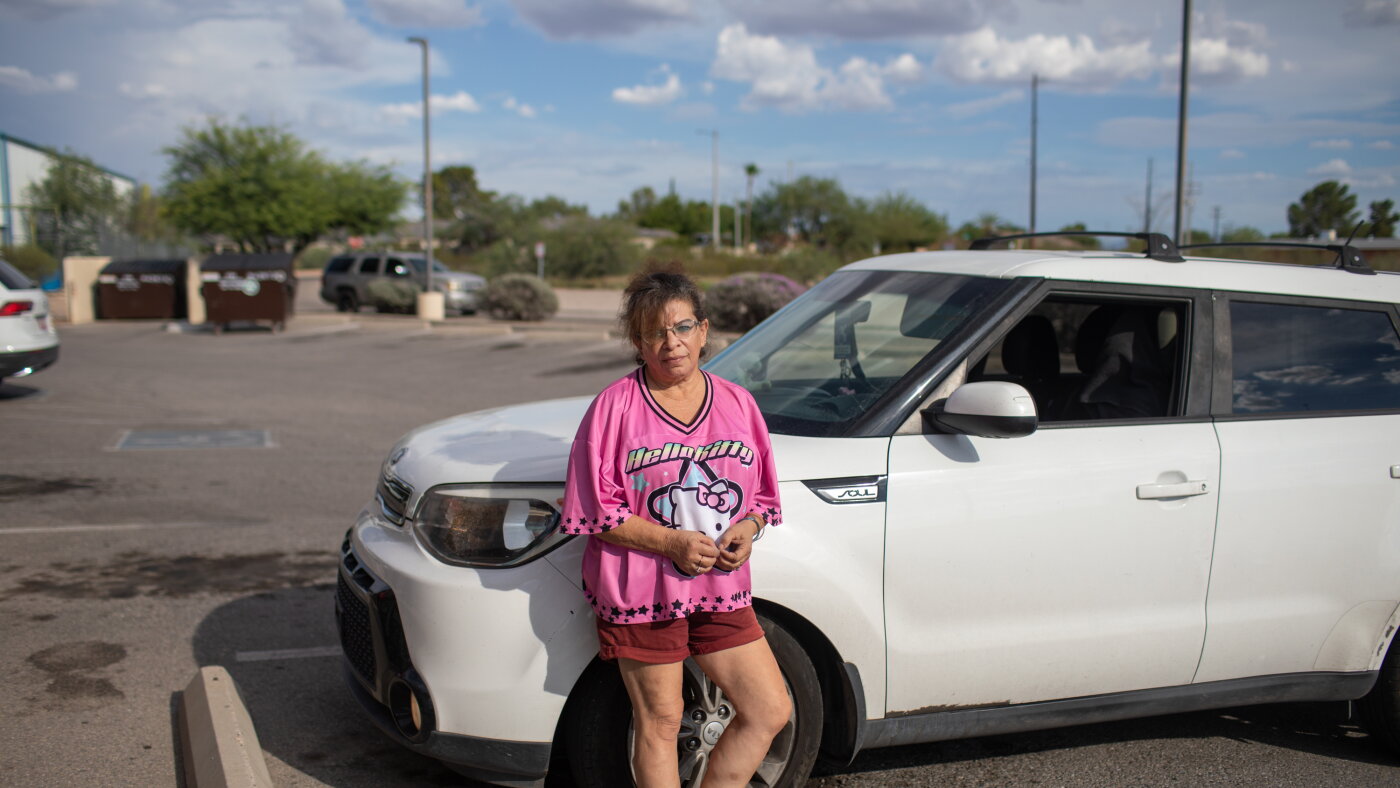
Climate change is intensifying heat risks in vulnerable regions. Southern Arizona has experienced a doubling of hot nights compared to the 1990s, with heat waves becoming longer and more intense. The case of Sheri Petty illustrates the fatal consequences of these conditions. Living in a trailer near Tucson with limited cooling resources, Petty faced escalating cooling costs that strained her finances. During an extended stretch of temperatures exceeding 100 degrees, both her bedroom air conditioner and the home’s swamp cooler malfunctioned. Despite contacting multiple county and private repair assistance programs, she could not access timely help or afford independent repairs, ultimately succumbing to heat exposure. Her experience reflects broader systemic vulnerabilities facing manufactured home residents across the country, where heat operates as both inconvenience for some and catastrophic threat for others.
Article Attribution | Read More at Article Source
Article summary produced by Claude AI