

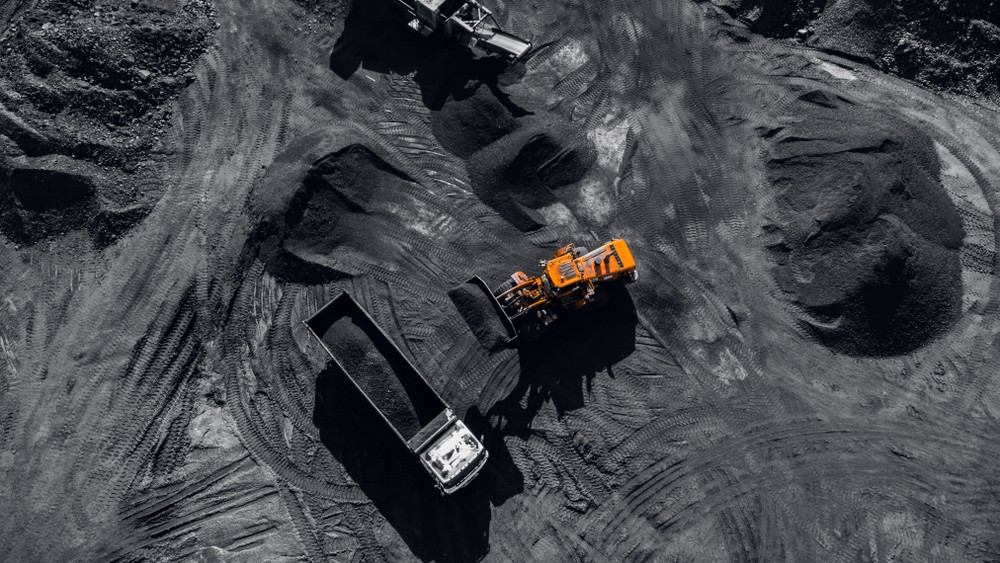
The International Energy Agency projects that global coal consumption will reach unprecedented levels this year, driven primarily by supply constraints in oil and natural gas markets. Trade restrictions affecting the Strait of Hormuz, a critical maritime corridor for energy shipments, have created significant disruptions in global energy flows. Higher prices for natural gas and petroleum products have prompted numerous nations to shift toward coal-based power generation as an alternative energy source.
Multiple countries across Asia and Europe have increased their reliance on coal to address energy shortages stemming from reduced liquified natural gas shipments. Japan, India, Bangladesh, the Philippines, South Korea, Thailand, Taiwan, and China are among the nations turning to coal for electricity generation. China has also expanded its coal consumption for chemical production processes due to elevated oil prices. The IEA estimates that global coal demand will rise by 1.2 percent this year, with China and India—the world’s two largest coal consumers—expecting increases of 1 percent and 4.2 percent respectively.
Weather patterns could further amplify coal demand in the coming months. An anticipated strong El Niño weather system may drive higher temperatures and reduce hydroelectric output across Asia, particularly in major markets like India and Vietnam, thereby increasing electricity demand and coal consumption.
The renewed reliance on coal presents challenges for international climate commitments. The United Nations has acknowledged that current global warming trajectories will exceed the 1.5-degree Celsius target established under international climate agreements. At the 2021 COP26 climate summit, nearly every country committed to phasing down coal consumption. However, nations including Italy and Germany have announced plans to extend or restart coal-fired power plants to meet rising energy demands, citing unrealistic transition timelines.
Coal consumption in the United States is expected to decline by approximately 7 percent this year, as domestic natural gas resources and expanded renewable energy capacity have reduced demand for coal. Nevertheless, global carbon dioxide emissions rose by 1.1 percent to 35.806 billion tonnes in the previous year, with coal-related emissions anticipated to climb significantly alongside increased consumption.
Article Attribution | Read More at Article Source
Article summary produced by Claude AI