

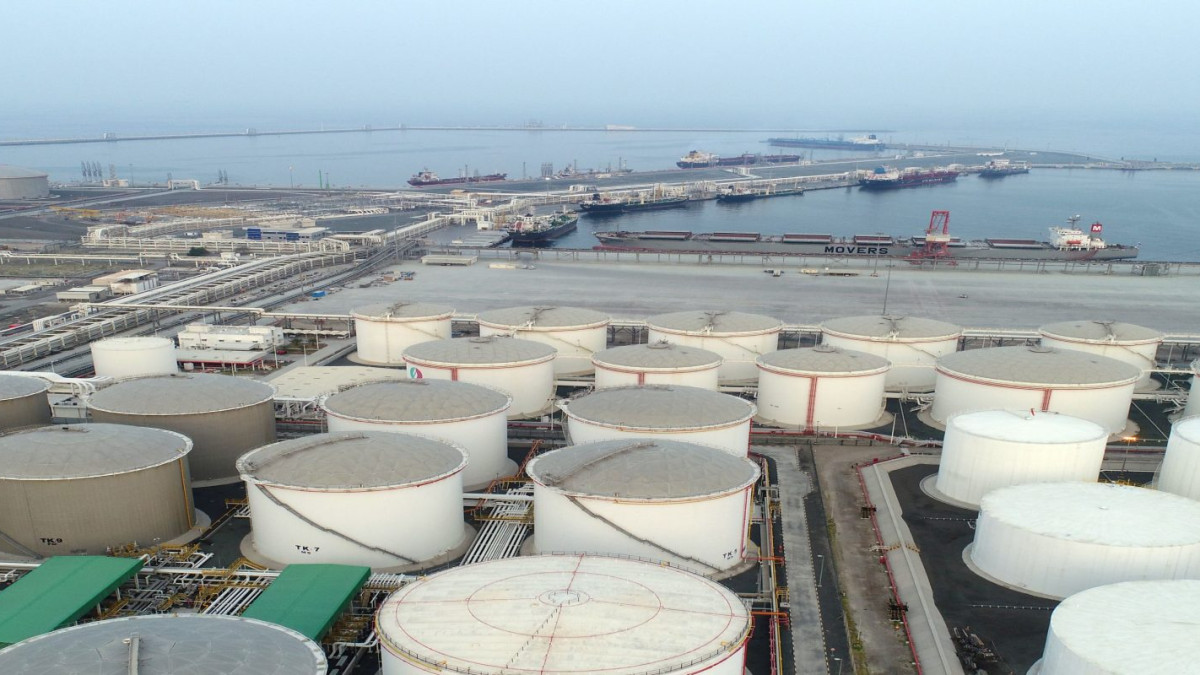
Middle Eastern oil producers have shifted their export strategies following disruptions to the Strait of Hormuz, increasingly relying on alternative routes including ship-to-ship transfers and pipelines that bypass the critical chokepoint. These adaptations have become necessary as regional geopolitical tensions persist.
Saudi Arabia’s restart of its East-West pipeline earlier in the week triggered a notable decline in oil prices, underscoring how dependent trader sentiment has become on Middle Eastern energy infrastructure developments. The pipeline, which had been rerouting approximately 4 million barrels daily to the Red Sea port of Yanbu, had been damaged by drone strikes and subsequently shuttered. Prior to its recent restart, the disruption forced Saudi oil producer Aramco to redirect crude back toward the Persian Gulf for movement through alternative export channels.
Ship-to-ship transfers, previously associated primarily with sanctioned nations, have become commonplace in the Gulf of Oman as producers move oil from smaller vessels to larger tankers. This practice adds substantial costs to oil transportation, with freight expenses reaching as high as $30 per barrel on routes to China—an all-time high. These increased expenses stem from heightened shipping risk and an accompanying shortage of available supertankers, causing owners to demand premium rates for vessel use. Despite higher costs, the United Arab Emirates has successfully employed smaller vessels for transfers and appears positioned to boost exports to levels surpassing those from the previous year.
Current export volumes reflect the constraints of the new operating environment. Flows through the Strait of Hormuz have averaged approximately 6.5 million barrels daily since the start of the month, representing a substantial decrease from the roughly 20 million barrels that transited the chokepoint before earlier regional military actions. Iraq faces particular pressure due to geographic constraints limiting its export options and has discounted its crude accordingly. While the market currently operates at a deficit, traders appear to have adjusted expectations, with any indication of increased production or export capacity prompting downward pressure on prices.
Article Attribution | Read More at Article Source
Article summary produced by Claude AI