

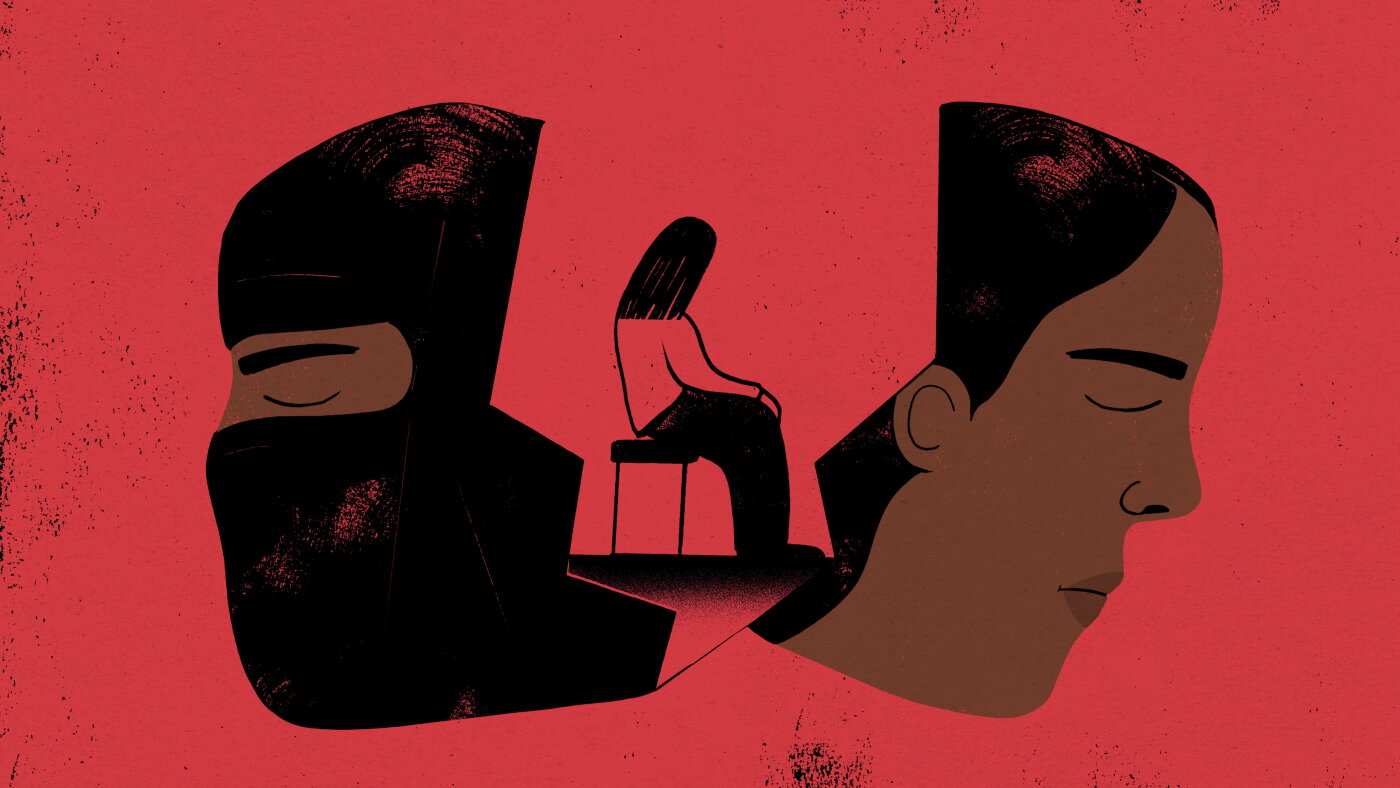
S., born in Pakistan to Somali parents and raised in Canada since age two, became increasingly religious as a teenager following her brother’s death. Experiencing discrimination related to her Islamic faith, including physical attacks and harassment, she enrolled in a religious boarding school in eastern Canada during her high school years. There, she befriended a woman who had previously been involved with the militant group al-Shabab and encouraged S. to relocate to a Muslim-majority nation.
Under pressure from Canadian intelligence agencies investigating her associations, and facing difficult family circumstances, S. decided to leave Canada in 2014. A Somali acquaintance facilitated her travel to Turkey, where smugglers connected her with other recruits heading into Syrian territory controlled by ISIS. After an arduous journey through remote areas, S. arrived in Raqqa, which she had understood would be a refuge for practicing Islam freely.
The reality proved drastically different from her expectations. Upon arrival, S. witnessed evidence of the group’s violent practices, including public executions. She and other female recruits were housed in an overcrowded facility near the Euphrates River. ISIS handlers pressed her to marry, threatening physical punishment and isolation when she refused their proposed matches. The deteriorating conditions and coercion prompted S. to begin planning an escape with a pregnant Canadian woman who shared her regret about leaving their home country.
S. eventually escaped from ISIS and subsequently cooperated with authorities as an informant, providing information that helped protect others from the militant organization. Her account illustrates how radicalization and recruitment occurred during that period, and how some individuals who joined extremist groups managed to extract themselves and work against the organization.
Article Attribution | Read More at Article Source
Article summary produced by Claude AI