

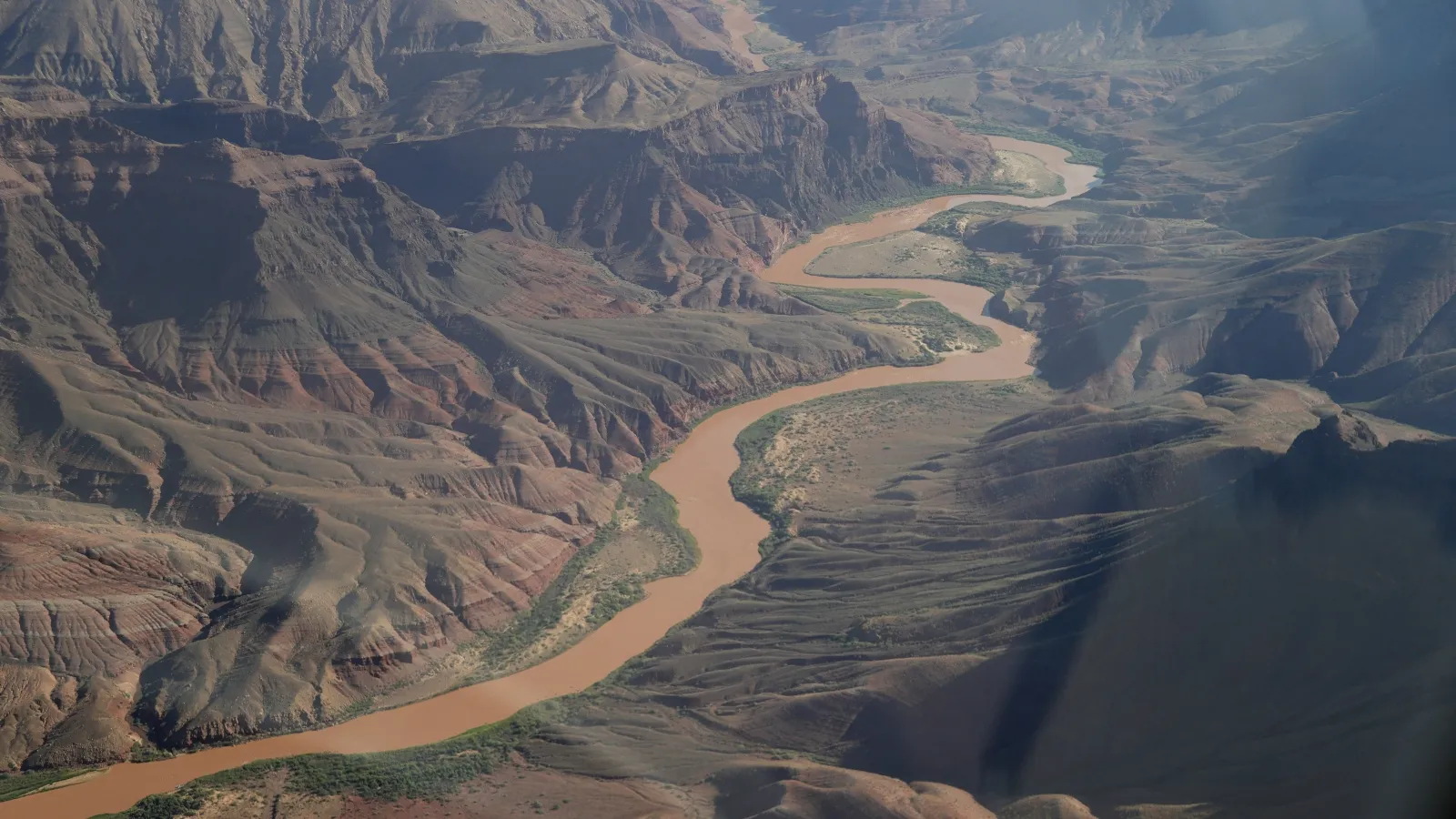
A catastrophic flash flood swept through the Grand Canyon’s Bright Angel Creek area on Saturday, resulting in at least two deaths, nearly 80 rescues, and one missing person. The surge of water and debris inundated the popular tourist destination after torrential rainfall struck the national park. Park officials subsequently closed affected areas and launched helicopter evacuation operations after water levels rose dramatically and swept away bridges and other infrastructure.
The disaster occurred in a region where flash floods are seasonal occurrences, particularly during the June through September monsoon period when thunderstorms can transform clear skies into dangerous conditions within minutes. The canyon’s steep, rocky terrain naturally accelerates water flow, converting heavy downpours into powerful surges. However, the recent flooding also affected areas damaged by the Dragon Bravo wildfire, which burned nearly 150,000 acres and destroyed the historic Grand Canyon Lodge in July 2025. Post-fire terrain exhibits accelerated runoff rates due to the absence of vegetation and hardened soil conditions, and federal assessments had predicted runoff risks would be substantially elevated in the affected watershed.
Scientists attribute the intensity of the weekend storm to a convergence of climate-related factors. A severe regional drought has left soil conditions less capable of absorbing sudden moisture, while warming in the Pacific Ocean associated with El Niño phenomena has increased atmospheric water vapor in the Southwest, resulting in more intense precipitation. Researchers have documented that intense summer downpours in the western United States have grown approximately 10 percent stronger since 2000. Climate scientists indicate a moderately strong connection between human-caused climate change and the severity of the Arizona rainfall event, with models suggesting that overlapping climate extremes—combining drought, wildfire damage, and intensified storms—will become increasingly common as global temperatures continue rising.
Article Attribution | Read More at Article Source
Article summary produced by Claude AI