

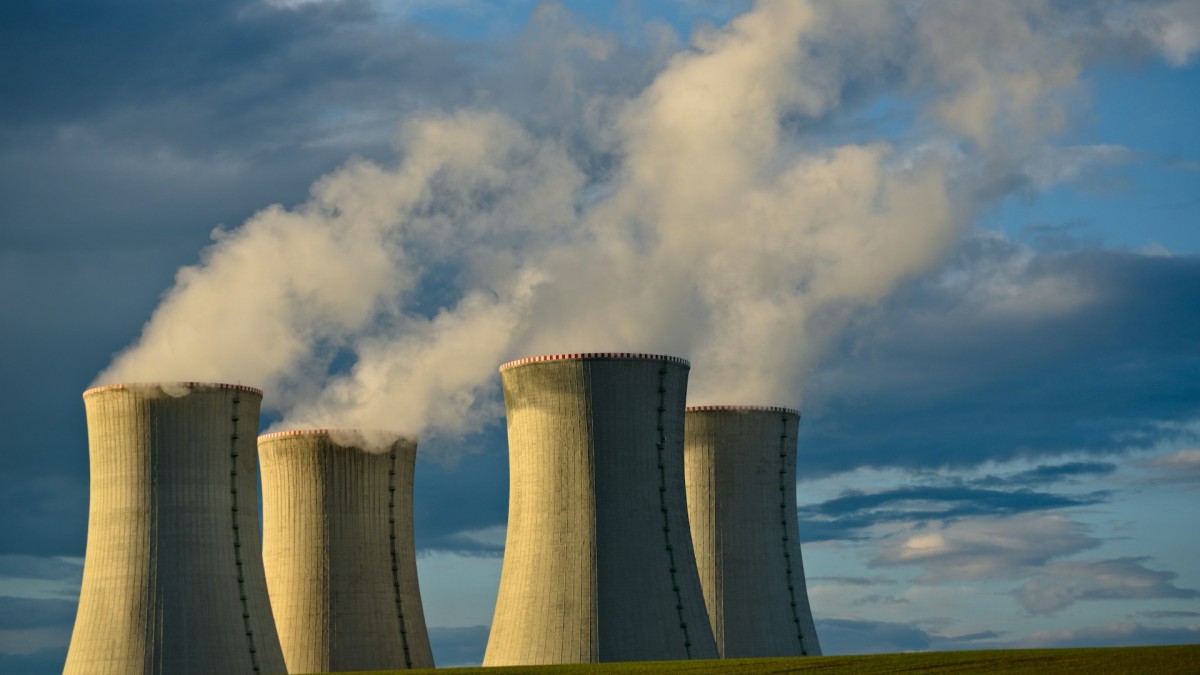
The United States currently operates 96 commercial nuclear reactors across 57 power plants and remains the world’s largest nuclear power producer, accounting for approximately one-third of global output. However, the domestic nuclear fleet faces significant aging challenges, with all but two reactors built before 2000 and an average age of 44 years, well beyond their original 40-year licensing period.
China has dramatically expanded its nuclear capacity in recent years, installing 34 gigawatts over the past decade compared to just one nuclear power plant added by the United States. Analysts project that at the current rate of development, China will surpass both France and the United States to become the world’s leading nuclear power producer within the next five years. Construction timelines in China average approximately six years per plant, significantly faster than the more than decade-long process for comparable U.S. projects.
Multiple factors contribute to the American lag in nuclear development. The U.S. workforce has lost expertise in nuclear construction due to decades of inactivity in the sector. Regulatory requirements overseen by the Nuclear Regulatory Commission create extensive delays and compliance burdens. Most critically, the enormous capital requirements and historical cost overruns deter private investment. The Vogtle plant in Georgia, which came online and took years longer than planned while exceeding budget projections by billions of dollars, has become a cautionary tale that discourages future nuclear investment.
Analysts suggest that conventional financial modeling may underestimate nuclear energy’s value by focusing narrowly on project-level returns within individual licensing periods rather than accounting for extended operational lifespans and broader societal benefits including energy security. More comprehensive economic impact assessments could help reassure investors and justify government funding. Experts argue that given rising energy demands from artificial intelligence development and other sectors, nuclear projects warrant greater scrutiny to maximize public welfare and safety outcomes rather than pursuing rapid capacity expansion with diminished oversight.
Article Attribution | Read More at Article Source
Article summary produced by Claude AI