

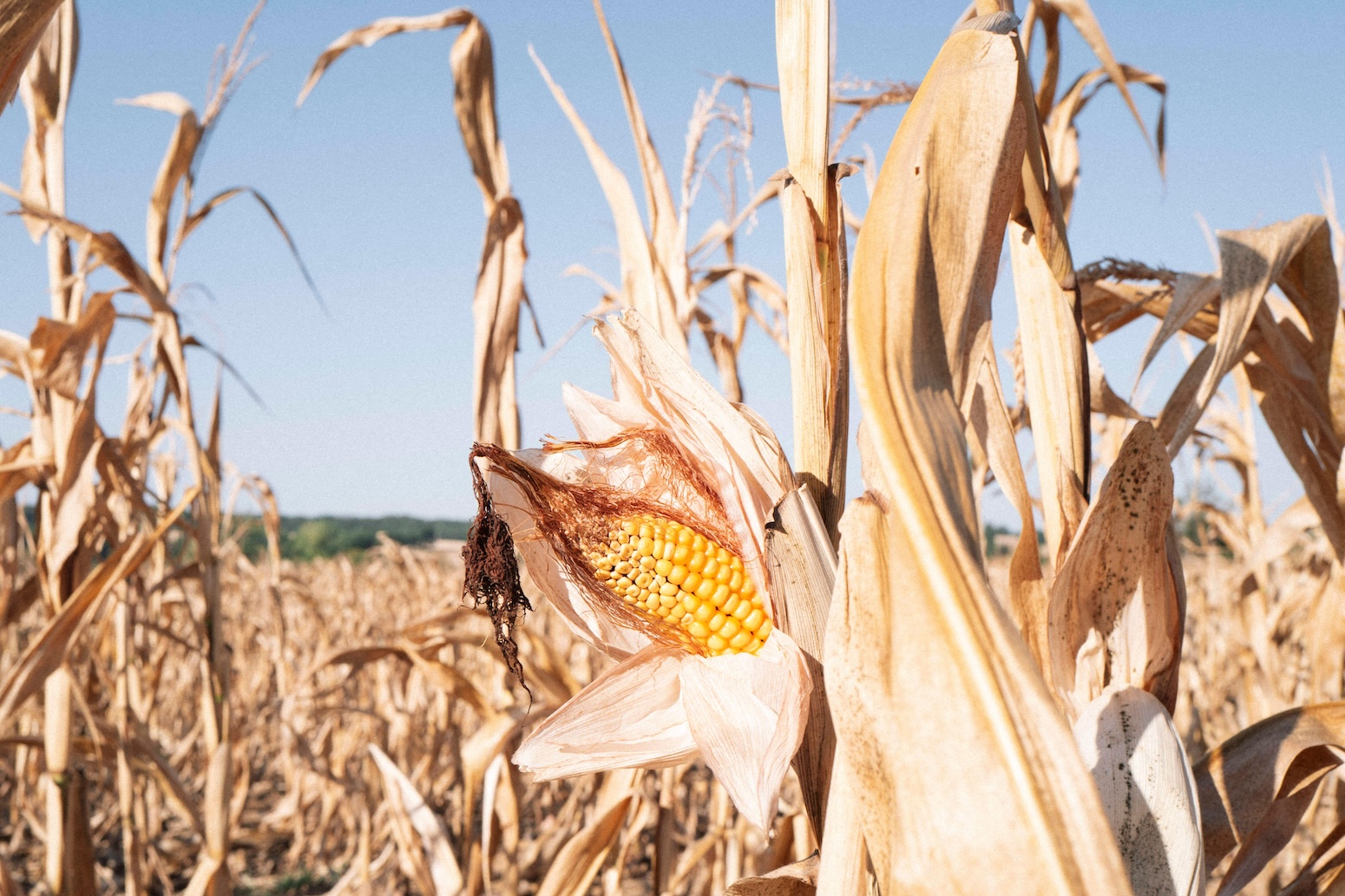
European agriculture faced severe disruptions during the summer months due to record-breaking heat, drought conditions, and wildfires, which experts attribute to climate change intensifying extreme weather events. Farmers reported widespread crop damage including shrunken potatoes in the Netherlands, reduced carrot harvests in France, dried-up rice fields in Italy, and scorched olive groves in Mediterranean regions. The agricultural impacts contributed to global food prices reaching their highest point since early 2023, with the UN Food and Agriculture Organization citing heatwaves and energy price dynamics as key drivers.
Cereal production across the European Union is expected to decline significantly in 2026 compared to 2025, with France experiencing the largest losses of nearly 8 megatonnes. Most EU member states, with the exception of Bulgaria, are anticipated to see production reductions, and Germany is projected to experience the second-largest decline at approximately 4 megatonnes. Yields of cereal grains are expected to fall across most EU nations, with Slovakia, Austria, and Hungary facing the most substantial declines of more than one tonne per hectare compared to the previous year.
The intense heatwave that swept through much of Europe in June resulted in an estimated €2 billion to €2.3 billion in cumulative grain production losses. Analysis indicates that the extreme June temperatures would have been “virtually impossible” five decades ago. Major grain-producing nations including France, Germany, Hungary, and Spain accounted for 86% of the lost revenue from reduced grain supplies.
The United Kingdom faces particularly severe challenges, with harvest forecasts suggesting the worst agricultural output since detailed records began in 1984. Barley yields could decline by 15%, oats by 14%, and wheat by 6% year-on-year. France’s maize production is projected to drop by more than one-third, potentially marking the lowest output since 1980. Broader economic analysis suggests the summer’s extreme weather could reduce the EU’s gross domestic product by approximately 1%, equivalent to around €180 billion. Industry experts anticipate consumers will encounter higher prices and reduced produce sizes in supermarkets as a consequence of diminished harvests.
Article Attribution | Read More at Article Source
Article summary produced by Claude AI