

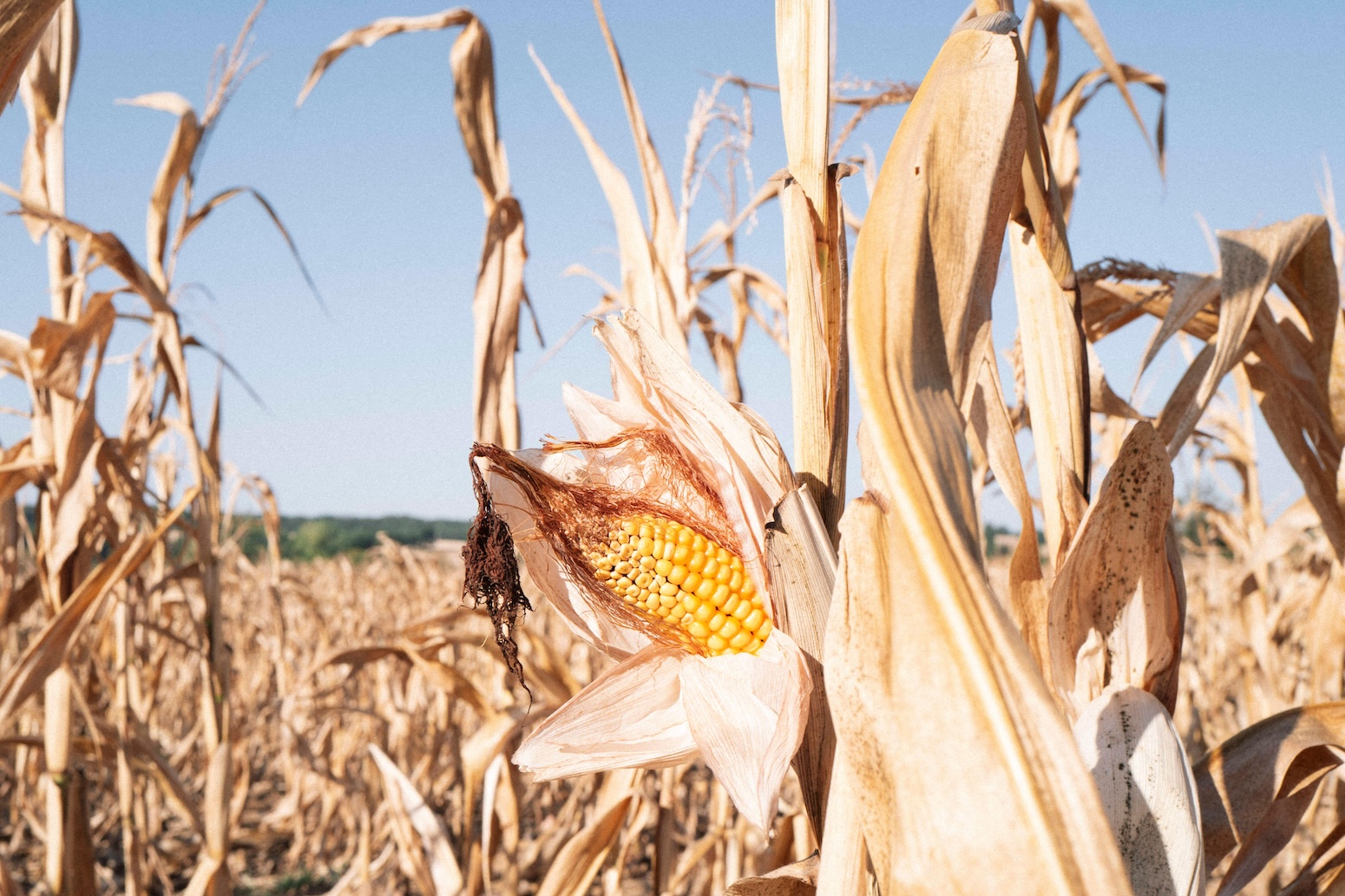
Extreme heat, drought and wildfires across Europe this summer have significantly impacted agricultural production, with the damage exacerbated by human-caused climate change. The adverse weather has created substantial challenges for farmers throughout the continent, resulting in reduced yields and widespread crop failures in multiple countries. Global food prices have risen to their highest levels since early 2023, driven partly by these agricultural disruptions alongside other factors including energy costs and supply chain issues.
France has experienced particularly acute losses, with cereal production expected to decline by nearly 8 megatonnes compared to the previous year. The nation, which serves as the European Union’s largest agricultural producer, faces even steeper declines in maize production—a drop of more than one-third that would represent the lowest output since 1980. Germany is projected to experience the second-largest production losses at nearly 4 megatonnes. Most other EU member states, with the exception of Bulgaria, are also expecting production declines this year. A June heatwave alone generated an estimated €2 billion to €2.3 billion in cumulative grain production losses across 28 European countries.
Crop yields are expected to fall substantially across much of the continent. Slovakia, Austria and Hungary face the most significant reductions in cereal yields, each declining by more than one tonne per hectare. A rapid climate attribution study found that the intense June heat experienced in western Europe would have been nearly impossible to occur naturally just 50 years ago. The United Kingdom is anticipated to experience one of its poorest harvests in recorded history, with wheat yields projected to fall 6%, barley yields down 15% and oats down 14% compared to the previous year.
Beyond agricultural production, broader economic consequences are anticipated. Analysis from Triodos Bank suggests that this summer’s extreme weather could reduce the EU’s gross domestic product by approximately 1%, equivalent to around €180 billion. Consumers are expected to encounter higher prices and potentially smaller produce selections in supermarkets as a result of reduced yields and supply constraints.
Article Attribution | Read More at Article Source
Article summary produced by Claude AI