

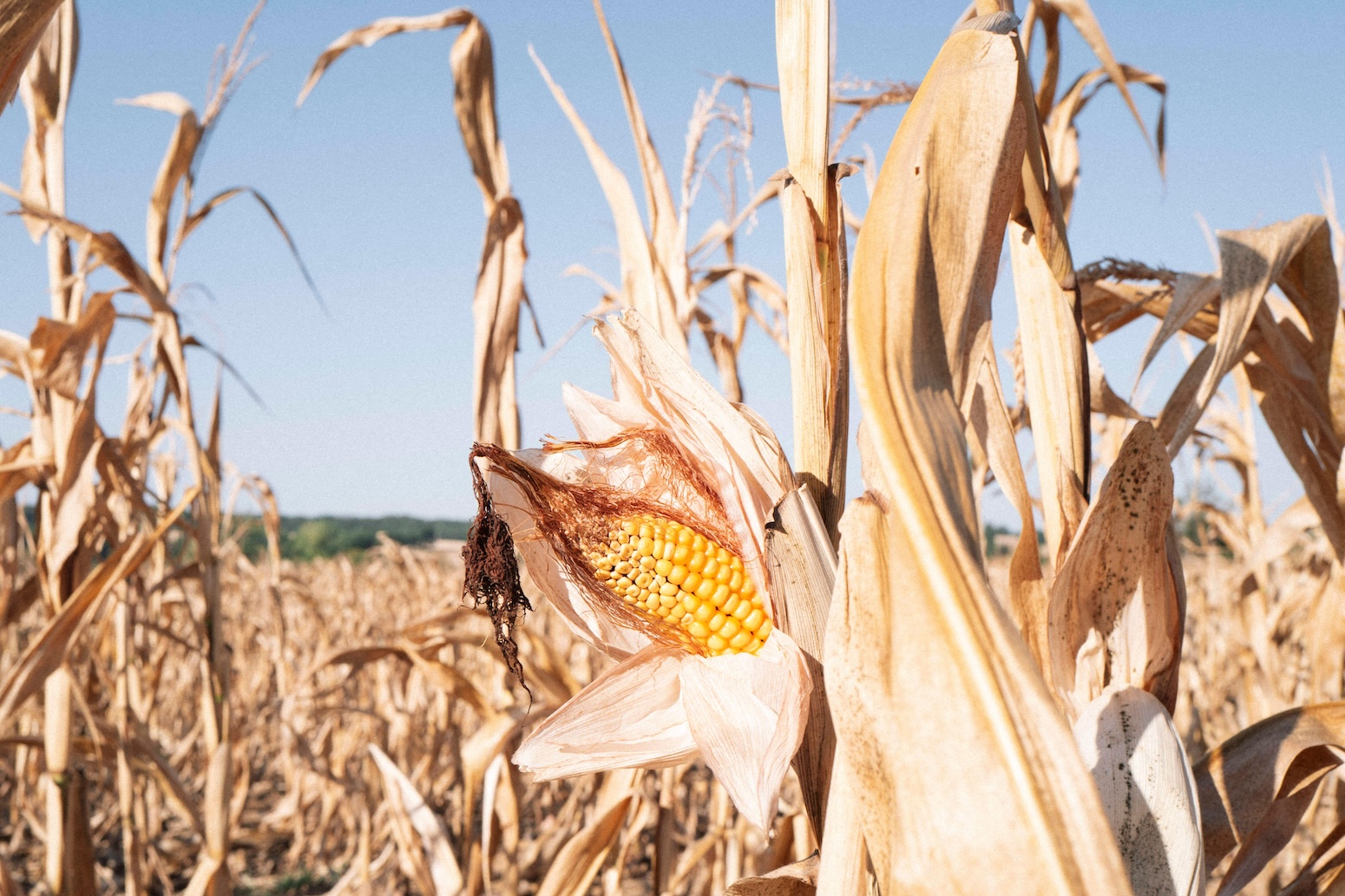
Extreme heat, drought and wildfires across Europe this summer, intensified by climate change, have severely impacted agricultural output and crop yields throughout the region. The summer’s conditions resulted in diverse agricultural damage, including reduced potato sizes in the Netherlands, lower carrot yields in France, dried rice paddies in Italy, and damaged olive groves in Mediterranean areas. According to the UN Food and Agriculture Organization, global food prices have reached their highest point since early 2026, driven partly by these heatwaves and energy price increases, with additional pressure from fertilizer supply constraints in the Strait of Hormuz and elevated fuel expenses.
European Commission data indicates widespread production declines across most EU member states. France is projected to experience the most significant losses, with cereal production expected to drop by nearly 8 megatonnes compared to the previous year, while Germany anticipates the second-largest decline of approximately 4 megatonnes. The EU Joint Research Centre reported that heat and water scarcity have “substantially worsened” crop expectations in western and central Europe, with significantly reduced yields and localized crop failures anticipated in countries including France, southern Germany, northern and central Italy, and Hungary. A June heatwave alone resulted in an estimated €2 billion to €2.3 billion in cumulative grain production losses across the continent.
Cereal grain yields are expected to fall in most EU countries, with Slovakia, Austria and Hungary experiencing the largest declines of more than one tonne per hectare. France faces particularly acute challenges, with maize production projected to fall by more than one-third year-on-year, potentially marking the lowest levels since 1980. In the United Kingdom, current forecasts suggest the worst harvest since detailed records began in 1984, with barley yields potentially declining by 15%, oats by 14%, and wheat by 6% compared to the previous year.
The economic ramifications extend beyond agricultural production. Analysis from Triodos Bank estimates that this summer’s extreme weather could reduce the EU’s gross domestic product by approximately 1%, or around €180 billion. Consumers are expected to face higher food prices and smaller produce portions in supermarkets as a result of reduced yields. However, some crops including certain berries performed well in the extreme heat, though concerns exist regarding potential declines later in the season as plants become exhausted from heavy production during the heatwave.
Article Attribution | Read More at Article Source
Article summary produced by Claude AI