

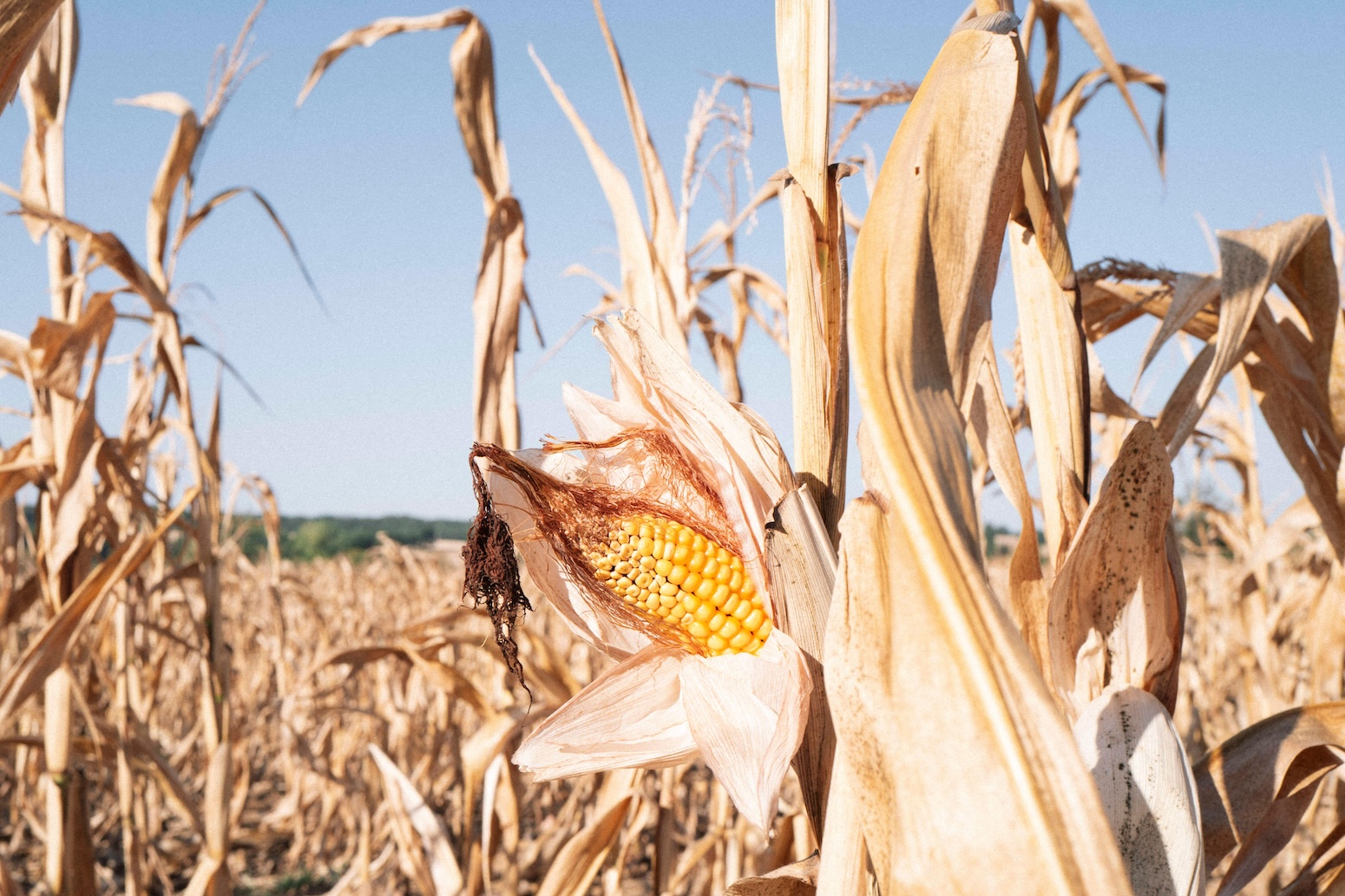
Agricultural production across Europe has been substantially impacted by an exceptionally hot and dry summer marked by heatwaves, drought conditions, and wildfires. The extreme weather has been linked to human-caused climate change, which researchers note increases the frequency and intensity of such events. Visible impacts include undersized potatoes in the Netherlands, reduced carrot yields in France, compromised rice fields in Italy, and damaged olive groves throughout Mediterranean regions.
Cereal production is expected to decline in most European Union countries this year compared to 2025, with France facing the most severe losses. French cereal production is projected to fall by approximately 8 megatonnes, while Germany anticipates the second-largest reduction at nearly 4 megatonnes. Crop yields across the continent are similarly declining, with Slovakia, Austria, and Hungary experiencing the steepest reductions of over one tonne per hectare. Agricultural experts indicate that extended dry periods combined with record-high temperatures have devastated both irrigated and rainfall-dependent crops, though irrigated operations in Portugal performed comparatively better.
The June heatwave alone produced an estimated €2 billion to €2.3 billion in cumulative grain production losses, with France, Germany, Hungary, and Spain accounting for 86% of lost revenue. Global food prices have reached their highest levels since early 2023, influenced by these heatwaves alongside energy price dynamics, fertilizer supply constraints, and elevated fuel costs. Analysis suggests the summer’s extreme weather could reduce European Union gross domestic product by approximately 1%, or around €180 billion.
In the United Kingdom, harvest projections indicate potential declines of 15% in barley yields, 14% in oats, and 6% in wheat, potentially resulting in the worst harvest since detailed record-keeping began in 1984. Consumers can expect to encounter higher prices and smaller produce selections at retailers. France’s maize production is anticipated to drop by more than one-third, potentially marking the lowest output since 1980, while some crops like berries have thrived under extreme heat conditions.
Article Attribution | Read More at Article Source
Article summary produced by Claude AI