

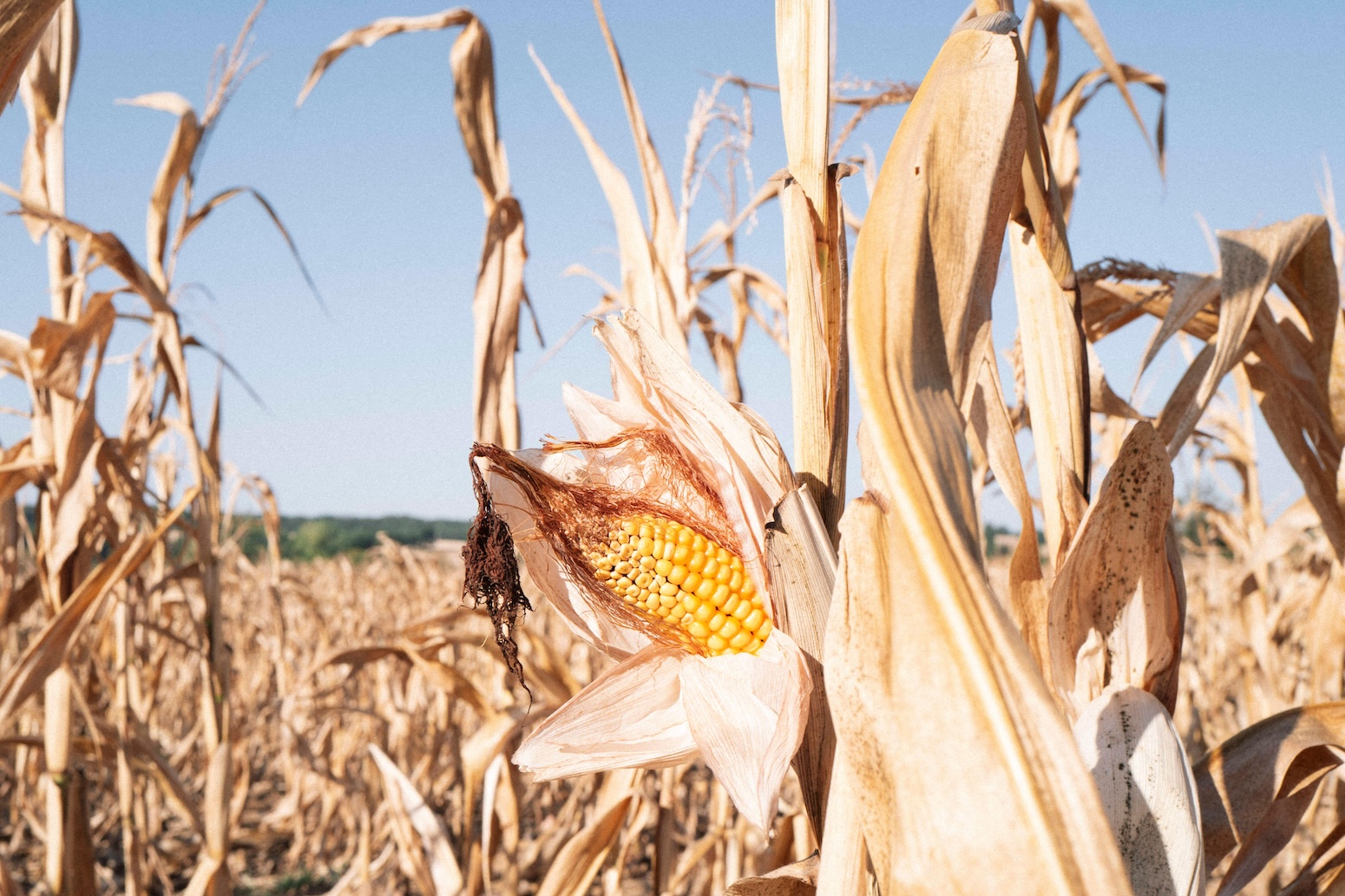
Farmers throughout Europe are confronting significant agricultural challenges following an exceptionally hot and dry summer marked by widespread heatwaves, droughts, and wildfires. Scientists attribute the intensified severity of these extreme weather events to human-caused climate change, which continues to increase volatility for global food producers. The adverse conditions have manifested in diverse crop damage across the region, including undersized potatoes in the Netherlands, diminished carrot output in France, depleted rice cultivation in Italy, and damaged olive groves across Mediterranean areas.
Most European Union countries are reporting notable production declines this year compared to the previous year. France faces the most substantial losses, with cereal production anticipated to drop by nearly 8 megatonnes, while Germany is positioned for the second-largest decline at approximately 4 megatonnes. Yields of cereal grains—measured in tonnes per hectare—are expected to fall across the majority of EU nations, with Slovakia, Austria, and Hungary experiencing the steepest reductions. Agricultural experts note that extended periods of insufficient moisture combined with exceptionally high temperatures have severely impacted both crop development and livestock fodder production across affected regions.
The financial repercussions are substantial. A severe heatwave occurring in June generated an estimated €2 billion to €2.3 billion in cumulative grain production losses, with four major grain-producing nations—France, Germany, Hungary, and Spain—accounting for 86 percent of lost revenue. The June heat experienced in western Europe would have been extraordinarily rare just decades ago, according to climate attribution research. Broader economic modeling suggests the summer’s extreme weather could diminish the EU’s gross domestic product by approximately 1 percent, or roughly €180 billion.
Beyond continental Europe, the United Kingdom faces potentially its worst harvest since detailed record-keeping began in 1984, with barley yields projected to decline by 15 percent and wheat by 6 percent. Meanwhile, global food prices have reached their highest levels since early 2023, influenced by both current heatwaves and energy price fluctuations. Additional supply pressures stem from blocked fertilizer supplies and elevated fuel expenses. Market observers anticipate consumers will encounter elevated prices and reduced produce selection in retail outlets.
Article Attribution | Read More at Article Source
Article summary produced by Claude AI