

Environmental and public health organizations, including the Natural Resources Defense Council and American Public Health Association, have filed lawsuits opposing the Trump administration’s plan to repeal Environmental Protection Agency greenhouse gas standards for power plants. The groups contend that eliminating the regulations would harm both environmental and public health by increasing air pollution and accelerating climate change impacts such as extreme heat and poor air quality.
The current EPA rule, established during the Biden administration, requires coal plants to either install carbon capture technology or cease operations by 2032. New natural gas plants must similarly either deploy carbon capture systems or operate at reduced capacity. The regulation was designed to facilitate the gradual phase-out of coal-fired generation.
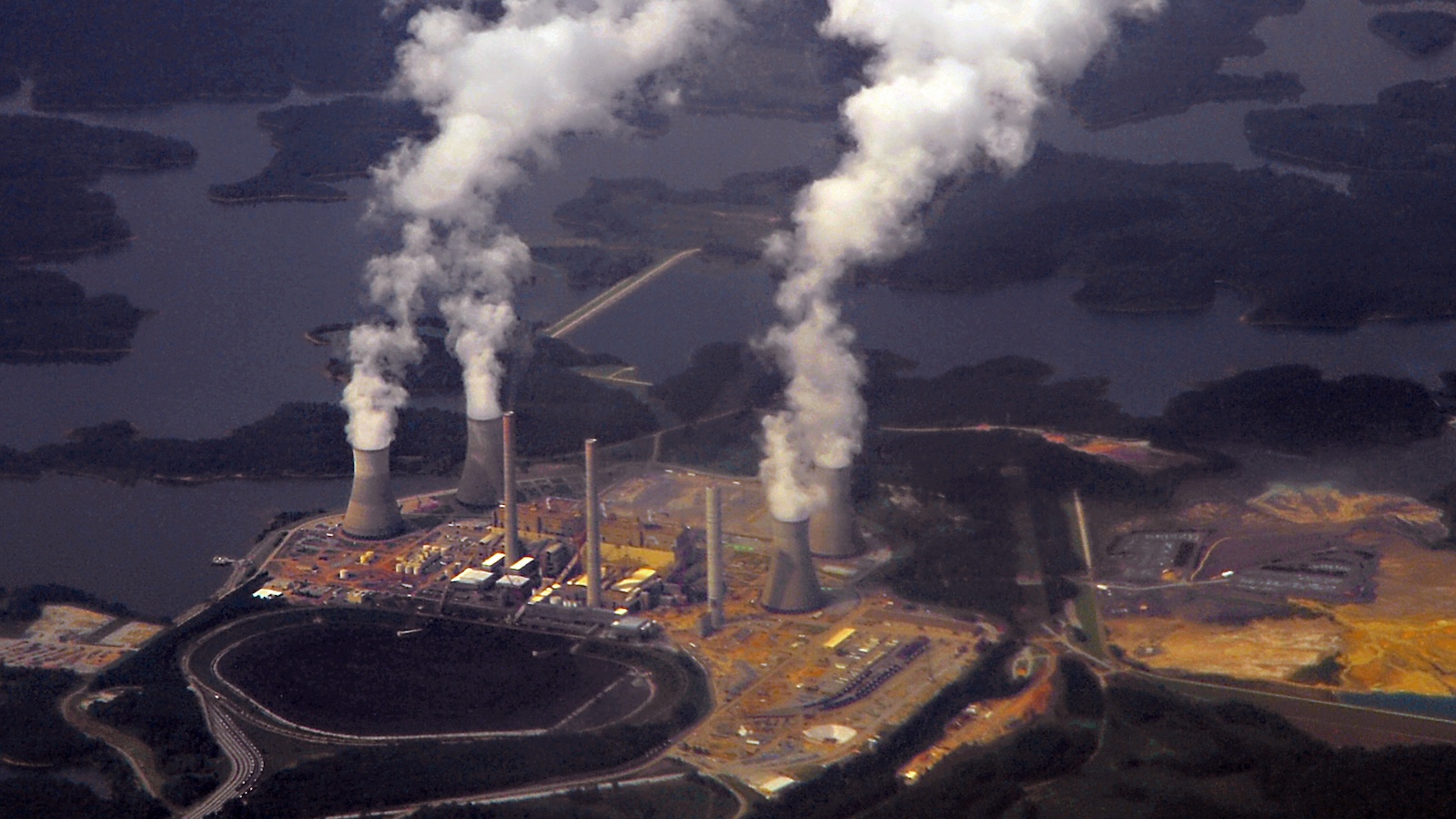
In Georgia, the effects of a potential repeal are already becoming apparent. Georgia Power, the state’s largest utility, initially decided in its 2022 long-term plan that maintaining coal plants with carbon capture systems was economically unfeasible and planned retirements accordingly. However, following President Trump’s election to a second term, the company’s strategic planning shifted. In 2024, Georgia Power obtained regulatory approval to delay the retirement of coal units at Plant Scherer near Macon and Plant Gaston in Alabama, extending their operational timelines. Data from the Energy Information Administration shows these facilities emitted substantial quantities of carbon dioxide in 2024.
Utility companies have been preparing for the rule’s elimination since Trump’s election victory. During 2025 resource planning hearings, Georgia Power officials disclosed they had developed nine planning scenarios to address regulatory uncertainty, with six scenarios assuming the rule would not remain in effect. Meanwhile, the utility is simultaneously expanding natural gas generation capacity to meet rising electricity demand from data centers in the region. According to clean energy advocates, if the EPA restrictions are repealed, new gas-powered turbines could operate at significantly higher capacity factors, potentially doubling their annual carbon dioxide emissions compared to levels permitted under current rules.
The EPA’s proposed rule change has not yet been finalized. A public comment period remains, and multiple lawsuits seek to block the regulatory change. Georgia Power’s parent company, Southern Company, declined detailed comment but stated its support for regulatory certainty and reliable, affordable electricity without specifically addressing its stated net-zero emissions goal for 2050.
Article Attribution | Read More at Article Source
Article summary produced by Claude AI