

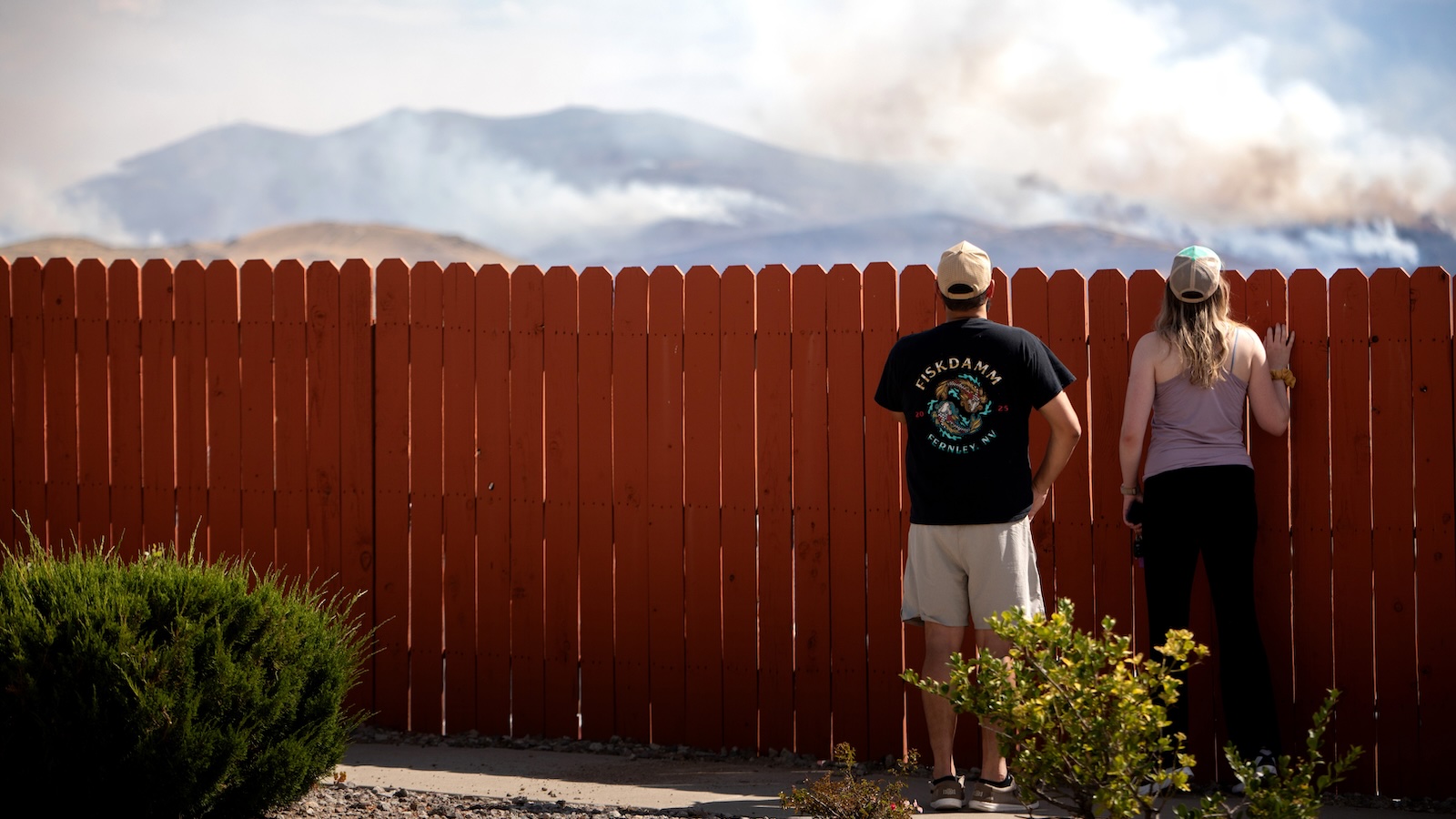
A major wildfire erupted near Reno, Nevada on August 22, with the Hawk Fire spreading more than 23 miles in a matter of days and prompting evacuation notices for approximately 90,000 residents. The fire destroyed dozens of homes and followed another significant blaze, the Bug Fire, that had burned 150 square miles in the same region two weeks earlier. These incidents reflect a broader trend of escalating wildfire activity across North America, with more than 7.9 million acres burned in the United States this year and over 5,100 fires reported across Canada.
Scientists attribute the severity and frequency of these fires to climate change, which has made them substantially more probable. Contributing factors include record-low winter snowfall that left landscapes drier than usual and prolonged heat waves that created ideal conditions for rapid fire spread. However, researchers and officials increasingly point to another critical issue: the expansion of residential development into naturally fire-prone areas, a phenomenon known as the wildland-urban interface, or WUI.
Over recent decades, population growth has concentrated in regions naturally susceptible to wildfires, driven by factors such as more affordable housing, fewer zoning restrictions at urban peripheries, and the appeal of spacious properties near outdoor recreation. More than one-third of homes in the continental United States now sit within the wildland-urban interface. A recent study found that the combination of housing expansion and climate change has quadrupled the risk of destructive wildfires in California. Reno itself has experienced 26 percent population growth in the last 15 years, reaching over 283,000 residents.
Evacuations from these areas present significant logistical challenges, as many neighborhoods rely on single roads for exit routes. Recent evacuations in Spokane, Washington, and during the 2018 Camp Fire in Paradise, California, resulted in hours-long traffic jams that delayed escapes as fires advanced. Additionally, wildfires in populated areas create particularly hazardous smoke conditions, as the burning of vehicles and synthetic materials produces toxic compounds, including carcinogenic substances. Researchers estimate that wildfire smoke could cause 70,000 American deaths annually by 2050 if current trends continue.
Article Attribution | Read More at Article Source
Article summary produced by Claude AI