

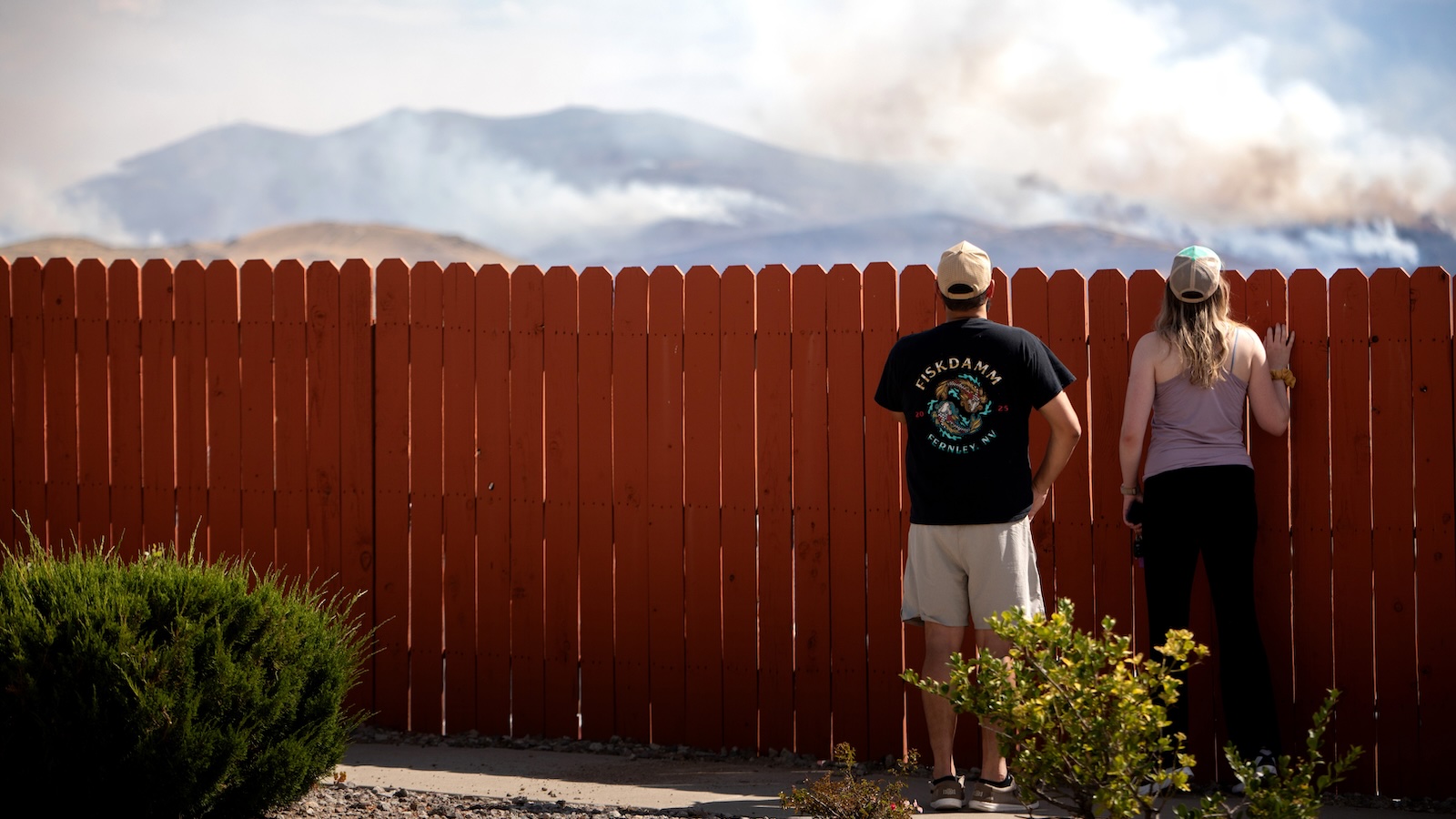
The Hawk Fire erupted on August 22 in the Somersett neighborhood near Reno, Nevada, eventually forcing approximately 90,000 residents to evacuate notice as flames spread across more than 23 miles in just a few days. The blaze destroyed dozens of homes and was followed by dense smoke that blanketed the city with orange skies. This incident reflects a broader pattern of intensifying wildfires across North America, with more than 7.9 million acres burned in the United States this year and over 5,100 fires reported in Canada.
Experts attribute the severity of recent fires to multiple factors, including record-low winter snowfall that reduced landscape moisture and prolonged heat waves. Climate change has significantly increased the likelihood of these destructive events, according to scientists studying the phenomenon. Reno has been identified as the fastest warming city in the United States, exacerbating fire conditions in the region. The fires have also underscored a critical geographic factor: rapid suburban expansion into naturally fire-prone areas.
The wildland-urban interface, or WUI, describes neighborhoods where residential development sits between urban centers and forests or grasslands. More than a third of all homes in the continental United States now exist within this type of area. Research published in Natural Hazards found that housing expansion combined with climate change has quadrupled the risk of destructive wildfires in California. Similar patterns have emerged in Washington state and Southern California, where the Eaton and Palisades fires displaced over 200,000 residents earlier in the year.
Evacuation from these suburban fire zones presents significant challenges. Many communities feature narrow roads with limited exit routes, creating severe traffic congestion when residents flee simultaneously. Recent evacuations in Spokane and historical cases like the 2018 Camp Fire in Paradise demonstrated how gridlock can trap families in vehicles as flames advance. Authorities emphasize early, voluntary evacuation as a strategy to prevent bottlenecks and allow firefighting resources to remain focused on containment efforts.
Additional health concerns extend beyond the immediate threat of flames. Wildfire smoke is projected to kill approximately 70,000 Americans annually by 2050, with suburban fires posing particular hazards due to the burning of vehicles and synthetic materials that create especially toxic emissions. Studies indicate residents near the Los Angeles fires were exposed to dangerous concentrations of chromium-6, a carcinogenic substance. Several states have responded by implementing stricter vegetation-clearing requirements around homes in fire-prone zones.
Article Attribution | Read More at Article Source
Article summary produced by Claude AI