

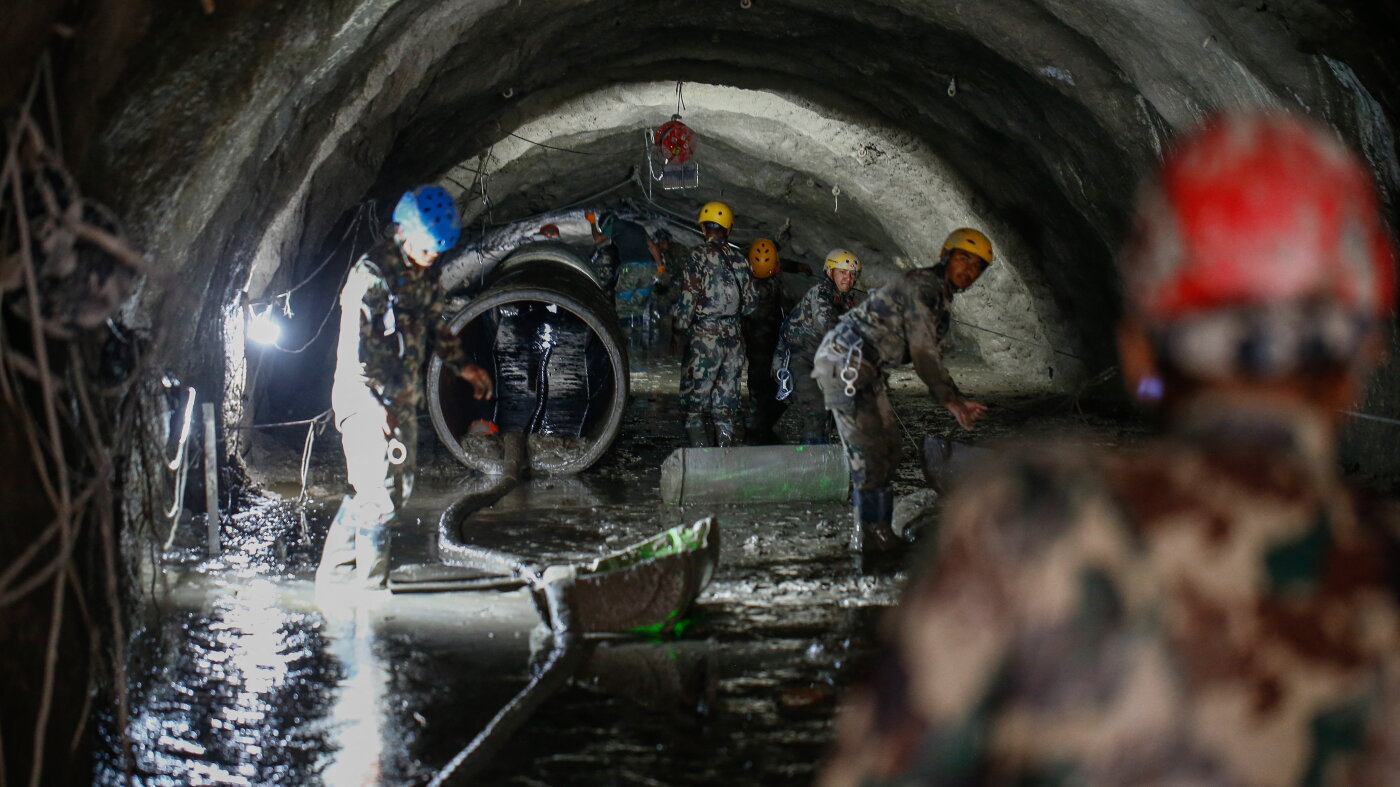
A major disaster struck Nepal’s Trishuli River valley in late August when a glacier and its bedrock collapsed into the river, generating waves of water, ice and boulders up to 30 feet high that traveled miles downstream. The resulting floods and mudslides swept away a border building, approximately 70 bridges and several miles of highway while burying a dozen hydropower plants under mud and debris. Recovery efforts have identified more than 1,400 fatalities, with over 5,000 people still unaccounted for, including 121 individuals trapped within the affected power facilities.
The disaster has prompted scrutiny of hydropower development in the Himalayan region, particularly regarding risk assessment practices. The Upper Trishuli-1 hydropower project, which cost Nepal over half a billion dollars and received approximately $300 million in support from World Bank arms, was under construction at the time and is now buried under mud. Critics argue that international institutions backing these projects, along with developers, have not adequately evaluated cumulative risks associated with multiple facilities built within the same river basin. The Trishuli river system contains 36 hydropower projects in total, with a dozen now destroyed by the flooding.
Experts have raised concerns about the adequacy of environmental impact assessments for large-scale construction in the region. Geologists and environmental specialists point out that the area experiences frequent earthquakes and landslides, while climate change is accelerating glacier melt and destabilizing mountain slopes. While no clear evidence demonstrates that hydropower construction directly caused the glacier collapse, critics contend that extensive blasting and tunnel development associated with these projects compounds existing geological risks. The Trishuli basin has experienced deadly flooding three years running, with different triggers each year.
Engineers and policymakers acknowledge that individual risk assessments for each project may appear acceptable in isolation, but a comprehensive evaluation of cumulative environmental impacts across the entire river system reveals a different risk profile. Experts emphasize that thorough investigation of hazards posed by multiple projects in a single zone has not occurred systematically. The disaster has reignited debate about whether large hydropower infrastructure development is appropriate for the Himalayan region given its geological instability and climate-related vulnerabilities.
Article Attribution | Read More at Article Source
Article summary produced by Claude AI