

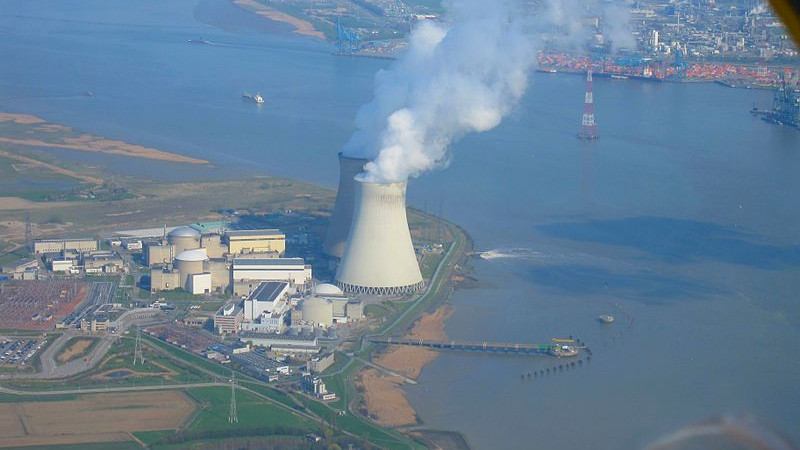
The Italian Senate provided final legislative approval this week to a government initiative aimed at reintroducing nuclear power to the country’s energy portfolio. The decision marks a significant reversal for Italy, which shut down its final nuclear reactor in 1990 following a 1987 referendum held in the aftermath of the Chernobyl accident. The government proposes deploying advanced modular reactors rather than traditional large-scale facilities, contending that technological improvements and enhanced safety protocols have made the decades-old anti-nuclear decision outdated.
Several factors are driving Italy’s reconsideration of nuclear energy. Ongoing conflicts in Ukraine and the Middle East have disrupted energy supply chains and created concerns about long-term reliability. Italy’s reliance on imported energy—over 90% of total energy needs come from abroad—has become a financial burden on the government, while electricity costs have risen substantially. Currently, fossil fuels account for approximately 80% of Italy’s energy mix, with renewables comprising the remainder. Rising electricity demand is expected due to global electrification trends and the expansion of energy-intensive data centers supporting artificial intelligence development.
The legislative approval requires the government to develop an executive decree within the next 12 months that will establish licensing requirements, safety standards, waste management protocols, and criteria for selecting reactor sites. The proposed approach differs from Italy’s past nuclear program by focusing on small modular reactors and other advanced technologies rather than conventional large reactors.
Public opinion remains divided on the proposal. A poll from earlier this year found that 51% of Italians supported resuming nuclear power generation, though a majority opposed constructing facilities in their immediate vicinity. A significant outstanding challenge involves disposing of radioactive waste from Italy’s previous nuclear program, which continues to be stored at temporary locations nationwide due to the absence of a permanent national repository.
Italy’s pivot reflects a broader European trend toward nuclear expansion. Multiple neighboring countries, including France, Hungary, Slovakia, Czechia, and Romania, are actively investing in new reactors or extending existing facilities to enhance energy independence and meet climate objectives. Belgium has similarly reversed prior anti-nuclear policies, while Poland, the Netherlands, and Sweden are planning substantial nuclear capacity additions.
Article Attribution | Read More at Article Source
Article summary produced by Claude AI