

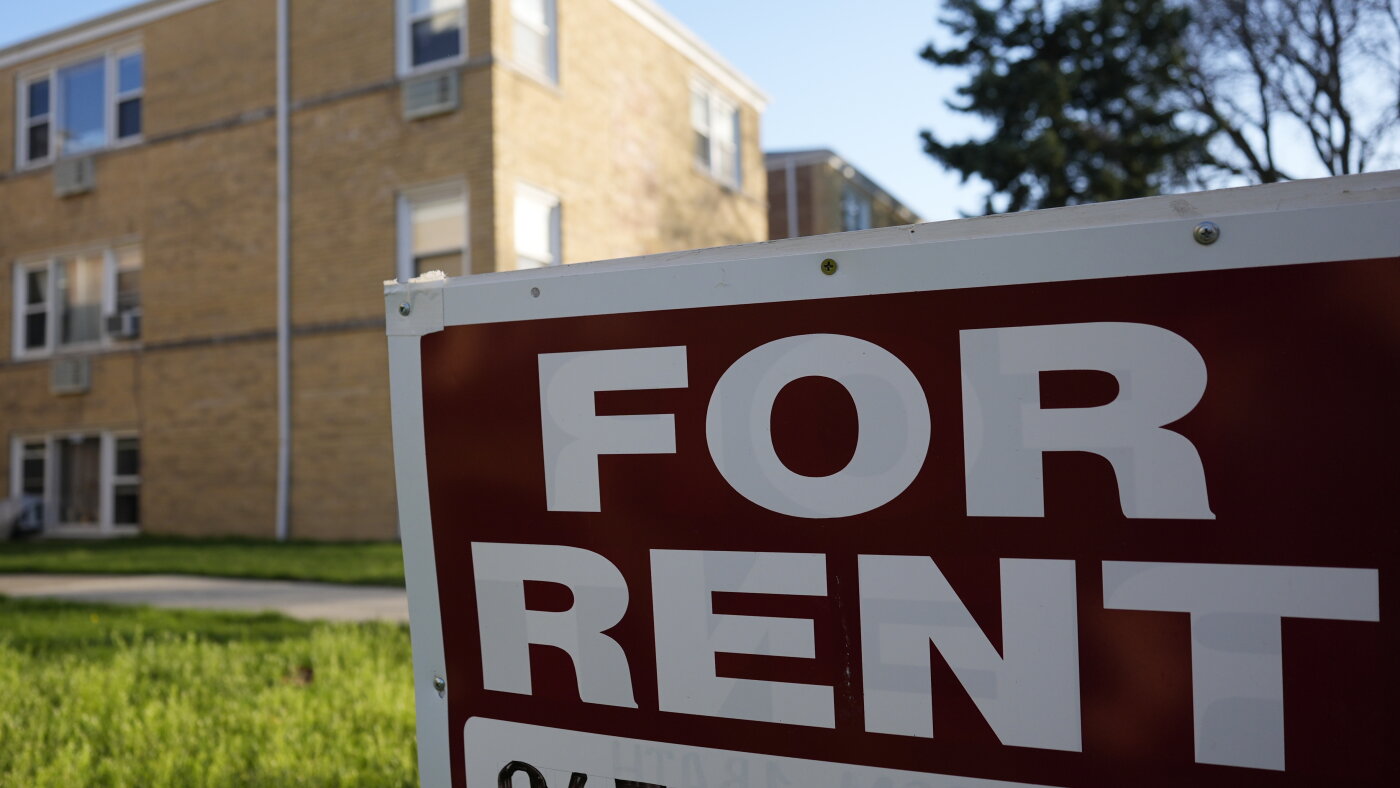
New research from the Urban Institute reveals that housing affordability challenges are spreading beyond low-income renters to affect middle-income families and even some higher-earning households across the United States. The findings indicate a significant deterioration in renters’ ability to meet monthly housing obligations.
According to the Urban Institute’s Well-Being and Basic Needs Survey, which tracks over 10,000 adults annually, approximately 20% of middle-income renters reported being unable to pay their full rent at some point during 2025. This represents a substantial increase from the previous year, when around 14% of middle-income renters faced similar challenges. The survey defines middle-income renters as single adults earning between $31,300 and $62,600 annually, or families of three with incomes between $53,300 and $106,600. Meanwhile, nearly 28% of lower-income renters reported rent payment difficulties, and even approximately 7% of high-earning renters experienced payment issues, up from 5% the year prior.
Researchers attribute the growing affordability crisis to mounting economic pressures and rising costs of essential services. Over 20% of renters also reported struggling to afford utilities during the same period. The trend is particularly pronounced in the South and Northeast regions. Notably, the research indicates that this challenge is specific to renters; homeowners’ mortgage payment ability has remained relatively stable over the past seven years.
Experts warn that the implications could be severe. Samantha Batko, a senior fellow at the Urban Institute and report co-author, expressed concern that expanding rent payment difficulties among middle-income households could lead to increased homelessness and evictions, particularly in states with strict eviction laws. Additionally, proposed federal policy changes that could impose work requirements and time limits on housing assistance programs may further restrict access to rental subsidies for struggling families.
As living costs continue rising, researchers predict the trend of rent payment defaults will likely intensify across all income brackets in the coming period.
Article Attribution | Read More at Article Source
Article summary produced by Claude AI