

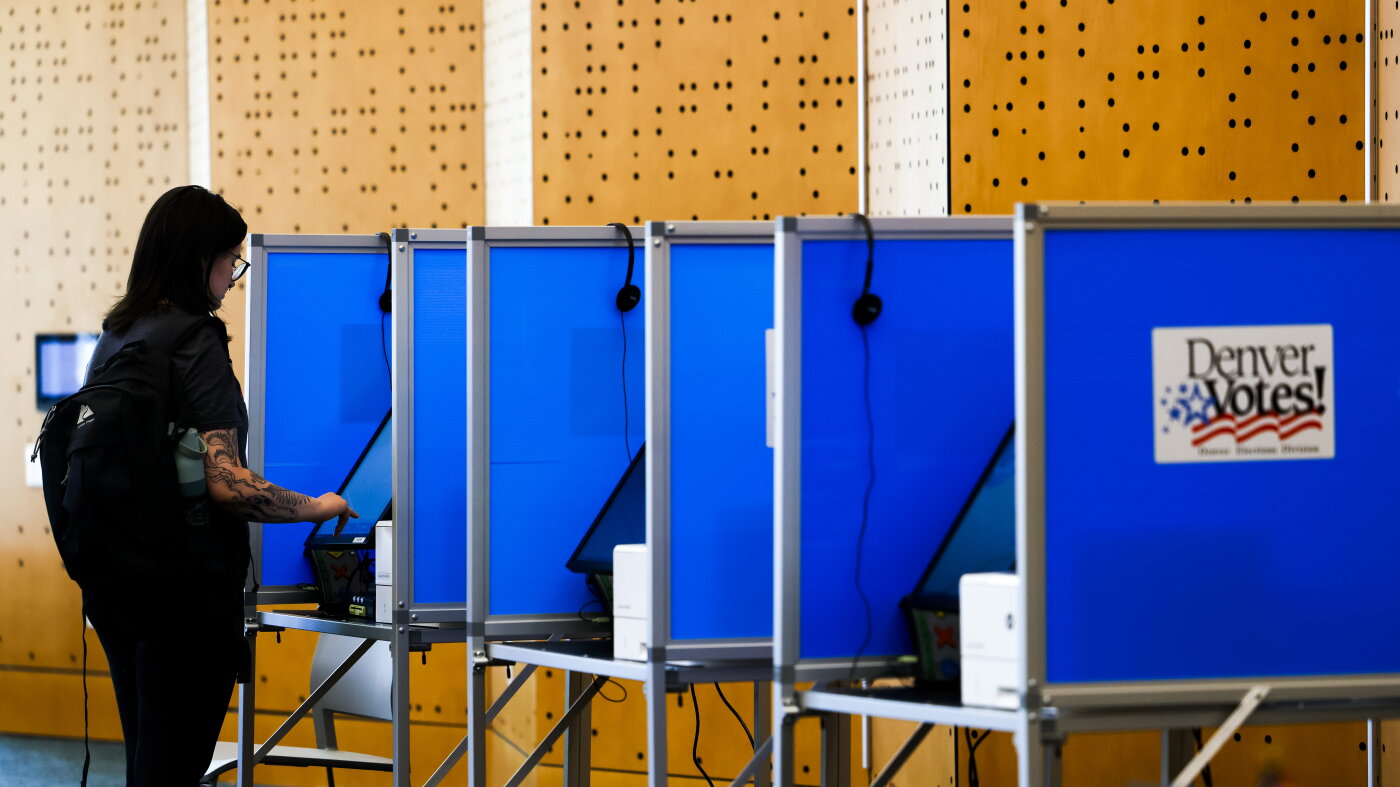
Election officials and civil rights organizations have initiated legal challenges to prevent federal law enforcement from appearing at polling locations, citing concerns about potential voter intimidation. The litigation follows repeated statements from Trump administration officials suggesting the possibility of federal agents being stationed at polls, with statements from President Trump, Department of Homeland Security Secretary Markwayne Mullin, and border czar Tom Homan raising the prospect of such deployments.
Two separate lawsuits have been filed to block these activities under different federal statutes. One lawsuit, brought by Denver’s clerk and recorder Paul López alongside other plaintiffs, invokes a Civil War-era federal law. A second suit filed Friday in Washington, D.C., contends that deploying federal agents to polling places would violate the 1965 Voting Rights Act by intimidating voters. Both legal actions argue that such deployments would constitute illegal voter intimidation.
The prospect of federal enforcement at polls has generated significant anxiety among voters, particularly those of color. A survey released this week from the University of California San Diego found that approximately 40% of voters believe immigration enforcement agents will be present at their local polling locations. The survey also indicated that voters of color express substantially greater concern than white voters about the risk of being questioned by immigration authorities while voting, despite being U.S. citizens. Election officials worry this fear could suppress voter turnout independent of whether enforcement activities actually occur.
The latest lawsuit also challenges the Trump administration’s search for noncitizen voters on state rolls, alleging that immigration officers are employing flawed methodologies and unreliable data that could result in unlawful detention of U.S. citizens, particularly from communities of color. A recent whistleblower report alleged the initiative is proceeding rapidly while relying on questionable information. Civil rights organizations litigating the case characterize the administration’s combined rhetoric and immigration enforcement activities as creating an intimidating environment that echoes tactics from the civil rights era that the Voting Rights Act was designed to prevent.
Article Attribution | Read More at Article Source
Article summary produced by Claude AI