

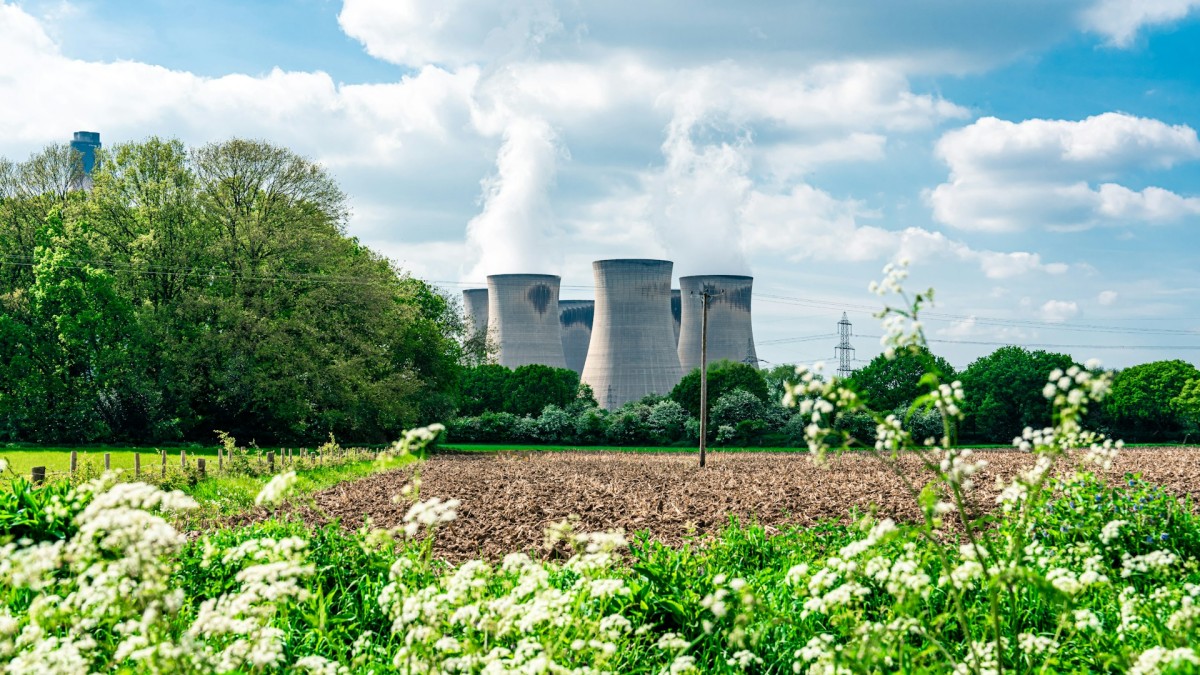
Japan and South Korea are accelerating nuclear energy expansion as a cornerstone of their energy security and climate strategies. This shift marks a significant reversal for Japan, which abandoned nuclear power following the 2011 Fukushima disaster but has since reassessed the technology’s role in meeting energy demands and reducing reliance on fossil fuels. South Korea has maintained steady nuclear sector growth throughout policy transitions. Both nations now pursue ambitious expansion targets over the coming decades.
The three countries formalized their nuclear cooperation through a July agreement focused on small modular reactor deployment and civil nuclear collaboration. The framework emphasizes coordinated approaches to project development, licensing streamization, and supply chain optimization. Officials characterized the arrangement as positioning American, Japanese, and Korean firms to offer competitive alternatives while maintaining safety and non-proliferation standards.
The alliance reflects broader geopolitical considerations beyond energy policy. Strategic interests include limiting influence from China and Russia in regional energy infrastructure and nuclear technology markets. The United States sees particular advantage in having allied nations become preferred reactor suppliers in the region, offsetting the vendor dominance of Beijing and Moscow among developing economies.
Global nuclear energy is experiencing renewed growth driven by rising electricity demands from artificial intelligence infrastructure, fossil fuel supply chain disruptions, and climate concerns. Traditional reactors continue dominating new capacity, though next-generation technologies including fusion and modular systems are gaining attention. Energy security has risen alongside climate commitments as a top policy priority, positioning nuclear as central to the global electricity landscape through mid-century, though the expansion also creates opportunities for authoritarian powers to extend influence over critical infrastructure.
Article Attribution | Read More at Article Source
Article summary produced by Claude AI