

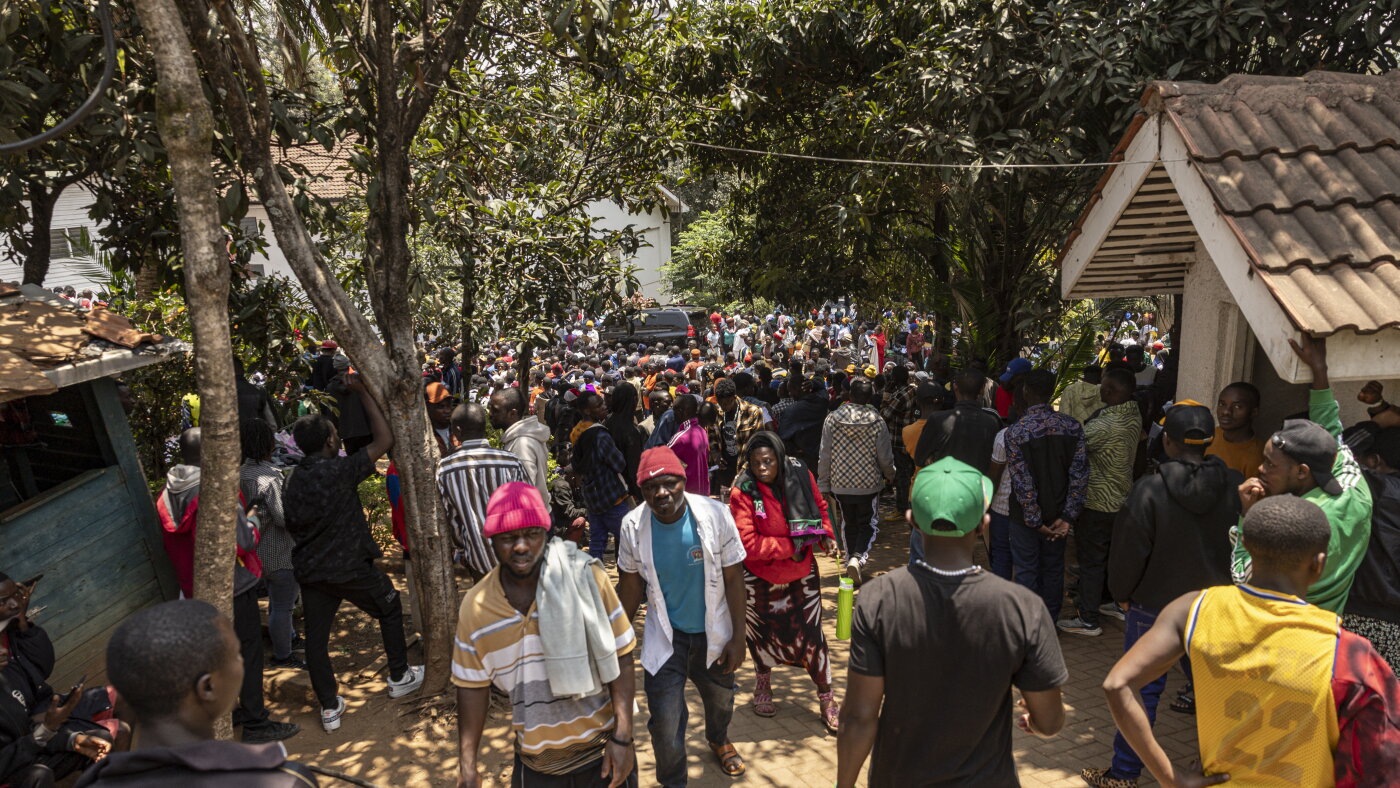
Kenyan President William Ruto issued a directive ordering the closure of small-scale businesses operated by foreign nationals, stating that such commerce should be reserved for Kenyan citizens. The order, implemented this week, has created significant concern within migrant communities across the country, with many foreign traders expressing fear about their economic survival and personal security.
The impact of the policy is already becoming visible in various sectors of Kenya’s economy. At transportation hubs in Nairobi, some foreign-operated vehicles have been absent from service, with workers reporting reluctance to continue their daily routines due to anxiety about potential enforcement actions. Spouses and family members of foreign nationals working in small commerce, such as fruit vending, are experiencing particular worry about potential harassment or forced closures.
Responses to the directive vary across Kenyan society. Some local business operators view the policy as misguided and argue it diverts attention from more significant economic issues, contending that foreign traders pose no inherent problem for the Kenyan business environment. Others support Ruto’s approach, arguing that the government should protect domestic traders from international competition and what they characterize as unfair labor practices.
Economic analysts have raised concerns about potential negative consequences. An economist consulted on the matter suggested the policy could conflict with regional trade principles, particularly those established by the African Continental Free Trade Area, and could impact Kenya’s overall economic performance through reduced tax contributions and commercial activity from affected communities.
In response to mounting concerns, the government announced a 90-day grace period for undocumented East African nationals to obtain or update required documentation. Meanwhile, many foreign nationals, particularly from neighboring countries including Burundi and the Democratic Republic of Congo, have sought assistance from their respective embassies. The policy emerges as Ruto prepares for electoral challenges next year amid broader economic pressures affecting employment and livelihoods across Kenya.
Article Attribution | Read More at Article Source
Article summary produced by Claude AI