

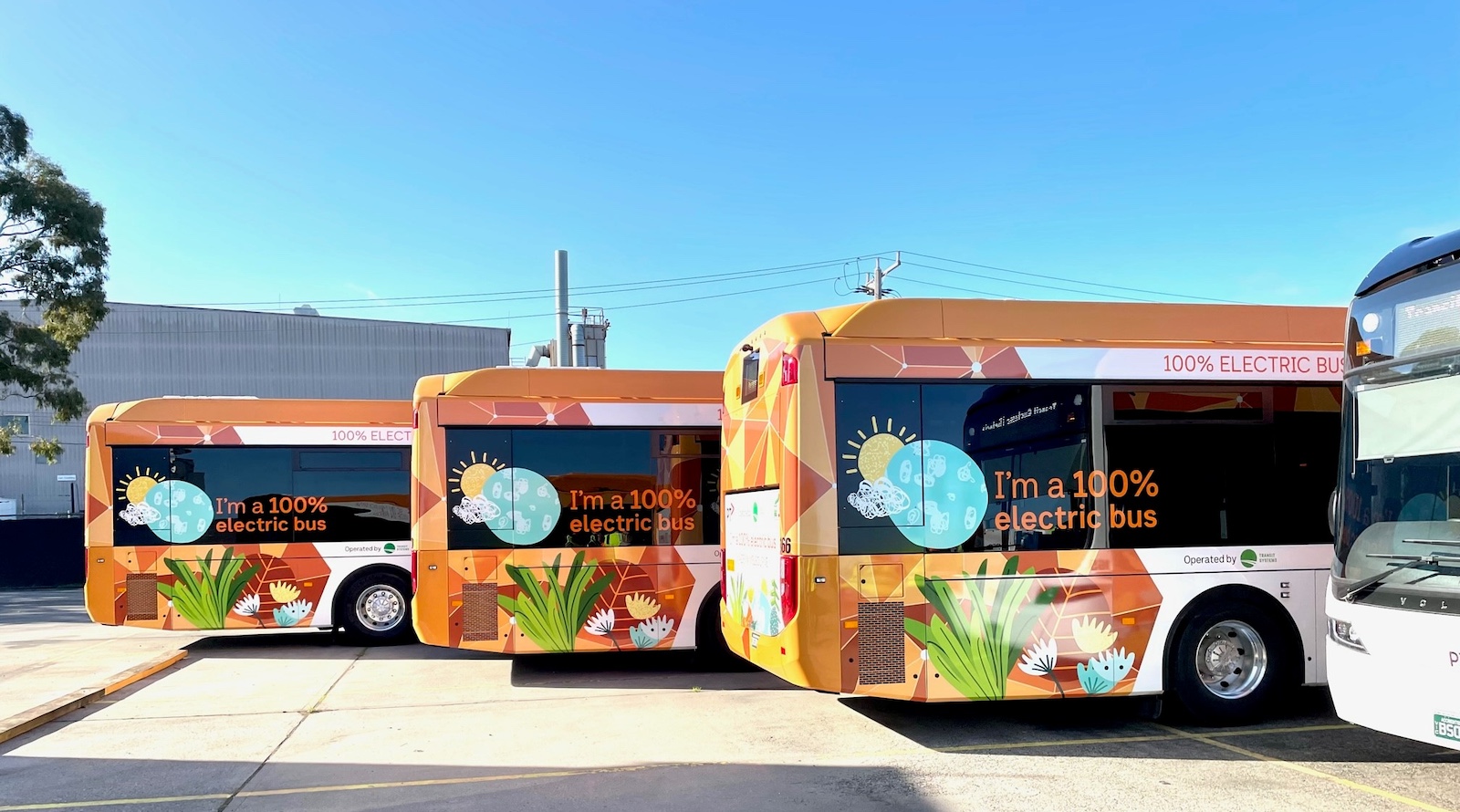
Los Angeles Metro has approved the acquisition of 220 battery-electric buses in what represents one of the largest electric transit bus purchases undertaken by a U.S. transit agency to date. The procurement will substantially expand Metro’s existing electric bus fleet, with the new vehicles more than doubling the current number of battery-powered buses in operation.
The purchase announcement was made today and reflects Metro’s broader strategic initiative to transition its entire fleet to zero-emission vehicles. The timing of the acquisition is connected to Los Angeles’ preparation to host the 2028 Olympic and Paralympic Games, positioning the city’s public transportation infrastructure as a focal point for demonstrating environmental commitments during the international event.
According to Metro officials, the expansion of electric bus service will deliver multiple benefits to the region beyond environmental considerations. The battery-electric buses are expected to reduce noise pollution in addition to eliminating tailpipe emissions, potentially improving quality of life for residents and transit riders across the metropolitan area. Officials characterized the investment as benefiting communities through both immediate improvements and long-term sustainability gains that will persist well beyond the Olympic Games period.
Environmental advocates have responded positively to the approval. Sierra Club representatives noted that the purchase represents significant progress toward cleaner air and healthier urban communities. Commentators emphasized that zero-emission public transportation serves as an economically sensible option for families seeking affordable and environmentally responsible mobility solutions.
Advocacy groups have also emphasized the importance of ensuring that Metro’s electrification efforts generate quality employment opportunities. Stakeholders stressed the need for strong labor standards and union protections to guarantee that the investments create family-sustaining jobs for workers involved in manufacturing, installation, and maintenance of the new electric fleet.
Article Attribution | Read More at Article Source
Article summary produced by Claude AI