

New York City’s extensive post-Superstorm Sandy coastal adaptation project is approaching completion, with flood gates and elevated infrastructure in Manhattan set to become operational by the 2027 hurricane season. The city undertook one of the most ambitious climate adaptation efforts in the nation following the 2012 disaster, investing billions to strengthen lower Manhattan with flood defenses, restore beaches in Queens, and acquire properties in vulnerable Staten Island neighborhoods. The East River Park in Manhattan is now partially reopened to the public, while construction crews continue installing rolling-track flood walls that will be deployed during major storm surge events.
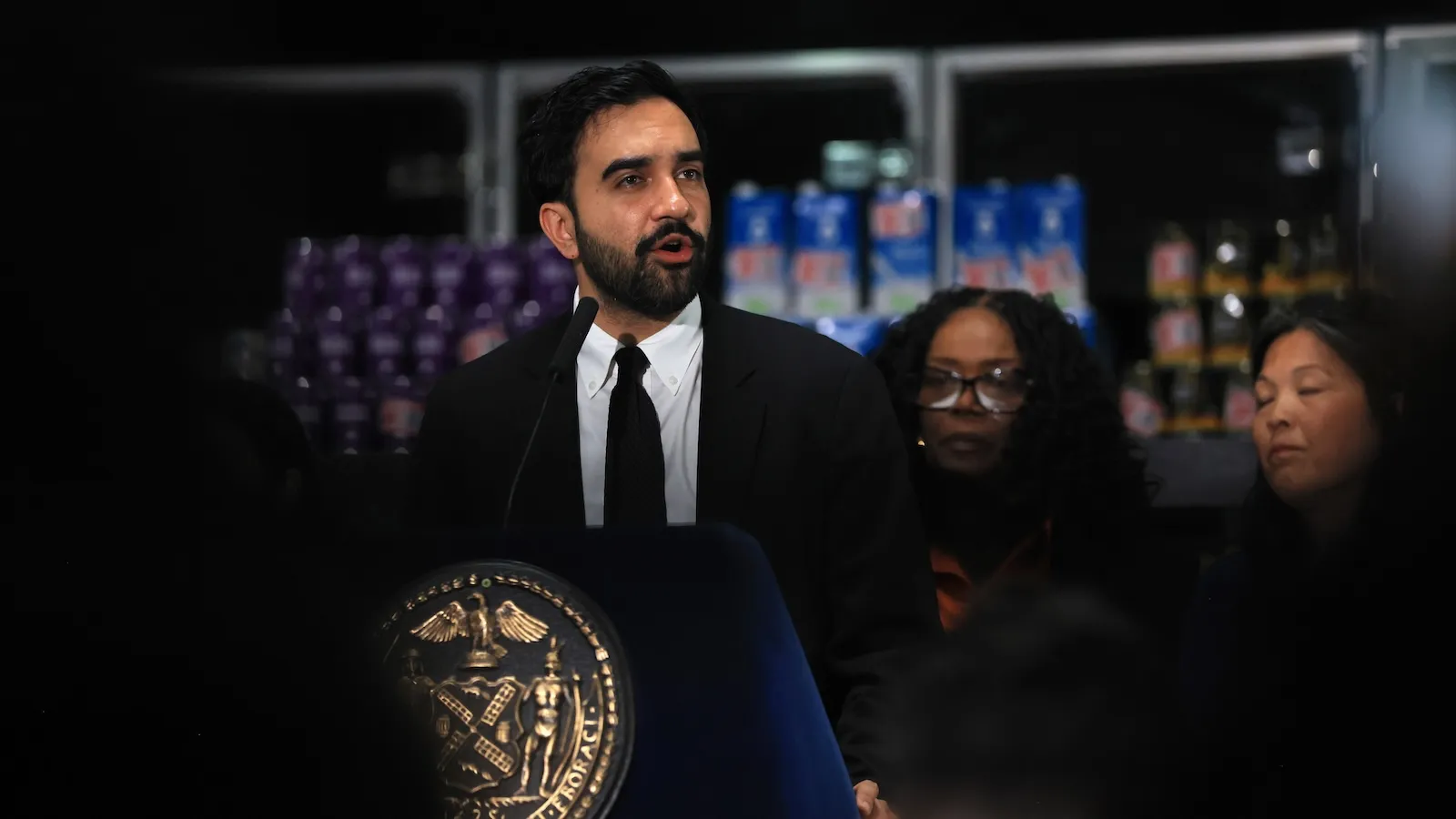
Mayor Mamdani has already begun planning beyond these nearly completed projects. Last month, he announced a significant expansion of the Bureau of Coastal Resilience, pledging to add approximately 70 new staff members to manage gate deployment and coastal zone operations during storm events. Lisa Garcia, the new commissioner for the Department of Environmental Protection, acknowledged that maintaining these billion-dollar infrastructure investments represents ongoing responsibility. However, officials recognize that protecting the city’s entire 520 miles of coastline is not feasible, requiring difficult decisions about where to allocate limited capital resources.
The city faces complex questions about future protection priorities. Options include marsh restoration in outer Queens, coastal parks in Harlem, bulkhead improvements in waterfront Brooklyn, and addressing chronic flooding in areas like Coney Island. These decisions carry significant political and economic implications. Other coastal cities have faced considerable resident backlash when prioritizing protection for high-value properties or promoting managed retreat from vulnerable neighborhoods, as occurred in Norfolk, Virginia.
Mamdani, who assembled a coalition of lower and middle-class voters across outer borough neighborhoods, faces pressure to address long-neglected areas. Coney Island, severely impacted by Sandy, has received minimal infrastructure investment despite extensive development. The Department of Environmental Protection plans to begin its comprehensive master plan next year, aiming for completion by 2031, which will analyze both stormwater and coastal risk across the city. The approach will likely reflect Mamdani’s commitment to affordability and equity for lower-income communities.
Article Attribution | Read More at Article Source
Article summary produced by Claude AI