

England and Wales are experiencing drought conditions following exceptional dryness in recent months, with nearly three-quarters of England and the entirety of Wales affected. Both regions provisionally recorded their driest July on record, compounding earlier dry weather from spring and early summer. The prolonged lack of rainfall has stressed water supplies, rivers, crops and natural ecosystems across the regions.
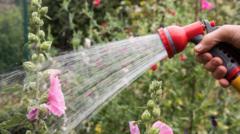
Approximately 30 million people are now subject to hosepipe restrictions, with 11 water companies across the UK having announced bans. The restrictions prevent the use of hosepipes for gardening, vehicle washing, window cleaning and pool filling. Ten companies operate in central, southern and eastern England, while one operates in Wales. Northern England is classified as experiencing “prolonged dry weather” rather than full drought conditions. Meanwhile, the whole of Wales has been declared in drought, with authorities noting that sustained high temperatures are causing the natural environment’s condition to deteriorate. Scotland does not formally declare droughts but monitors water scarcity, with some areas remaining in extreme categories. Northern Ireland has no official droughts currently declared.
Water sources across the regions show concerning trends. River flows in England and Wales were classified as below normal, notably low or exceptionally low in July according to the UK Centre for Ecology & Hydrology. Reservoirs in England and Wales are notably below average levels for the season, though Welsh Water indicated its position remains relatively strong. Groundwater levels are declining following prolonged dry weather, though nearly half of monitored sites recorded normal or above-normal levels in July. Groundwater responds more slowly to climate changes than rivers, potentially providing longer-term buffering during drought periods.
Experts attribute the drought conditions to multiple factors, including naturally occurring dry weather patterns and climate change. Rising temperatures increase atmospheric moisture demand, potentially depleting soil and water reserves more rapidly. The Met Office expects the UK to experience drier summers on average as global temperatures rise, though no clear trend has yet emerged. Historic underinvestment in water infrastructure has also been cited as a contributing factor. To address future water shortages, the government and water companies plan nine new reservoirs in England by 2050, with one currently under construction. Water authorities across the UK are also implementing measures to reduce leaks and manage demand.
Article Attribution | Read More at Article Source
Article summary produced by Claude AI