

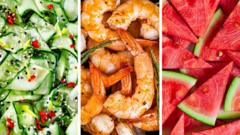
As temperatures rise above 30C this week in parts of the UK, nutrition experts offer guidance on dietary adjustments to manage eating during hot weather when appetite and motivation to cook both decline.
According to senior nutrition lecturer Aisling Daly at Oxford Brookes University, increased protein consumption is unnecessary during heat events. However, many common protein sources require cooking methods that generate kitchen heat, making them unappealing. Air fryers present an alternative, using less than half the energy of conventional ovens while producing minimal heat, though slow cookers offer even greater energy efficiency despite longer cooking times. Daly recommends obtaining protein from sources requiring minimal cooking preparation, including bean salads, eggs, pre-cooked meats, Greek yogurt, and lighter fish varieties such as tuna and salmon. The body generates additional heat when digesting protein due to the energy required for breakdown and absorption, making lighter protein options potentially more comfortable during warm periods.
Hydration becomes particularly critical during heatwaves, as perspiration causes water loss. While the NHS typically recommends six to eight glasses of daily fluid intake, requirements increase substantially during extreme heat, varying based on individual factors including age, body size, activity levels, and health status according to Dr. Charlotte Mills, a food and nutrition scientist at the University of Reading. Beyond drinking alone, significant hydration comes from consuming water-rich foods. Cucumber, tomatoes, lettuce, celery, watermelon, and strawberries all contain more than 90 percent water, while apples, carrots, and various citrus fruits contain 80 to 89 percent.
Regarding beverage choices, warm or room-temperature drinks prove equally effective as cold alternatives for maintaining hydration. Research indicates the body responds more quickly to temperature regulation through perspiration following hot beverages, making hot tea or coffee viable options. However, excessive caffeine consumption increases urine production and may contribute to dehydration, with effects becoming noticeable at five or six daily servings. Checking urine color provides a practical hydration indicator—pale yellow suggests adequate hydration, while darker shades indicate dehydration requiring increased fluid intake. Alcohol consumption similarly dehydrates the body and should be moderated during extreme heat.
Article Attribution | Read More at Article Source
Article summary produced by Claude AI