

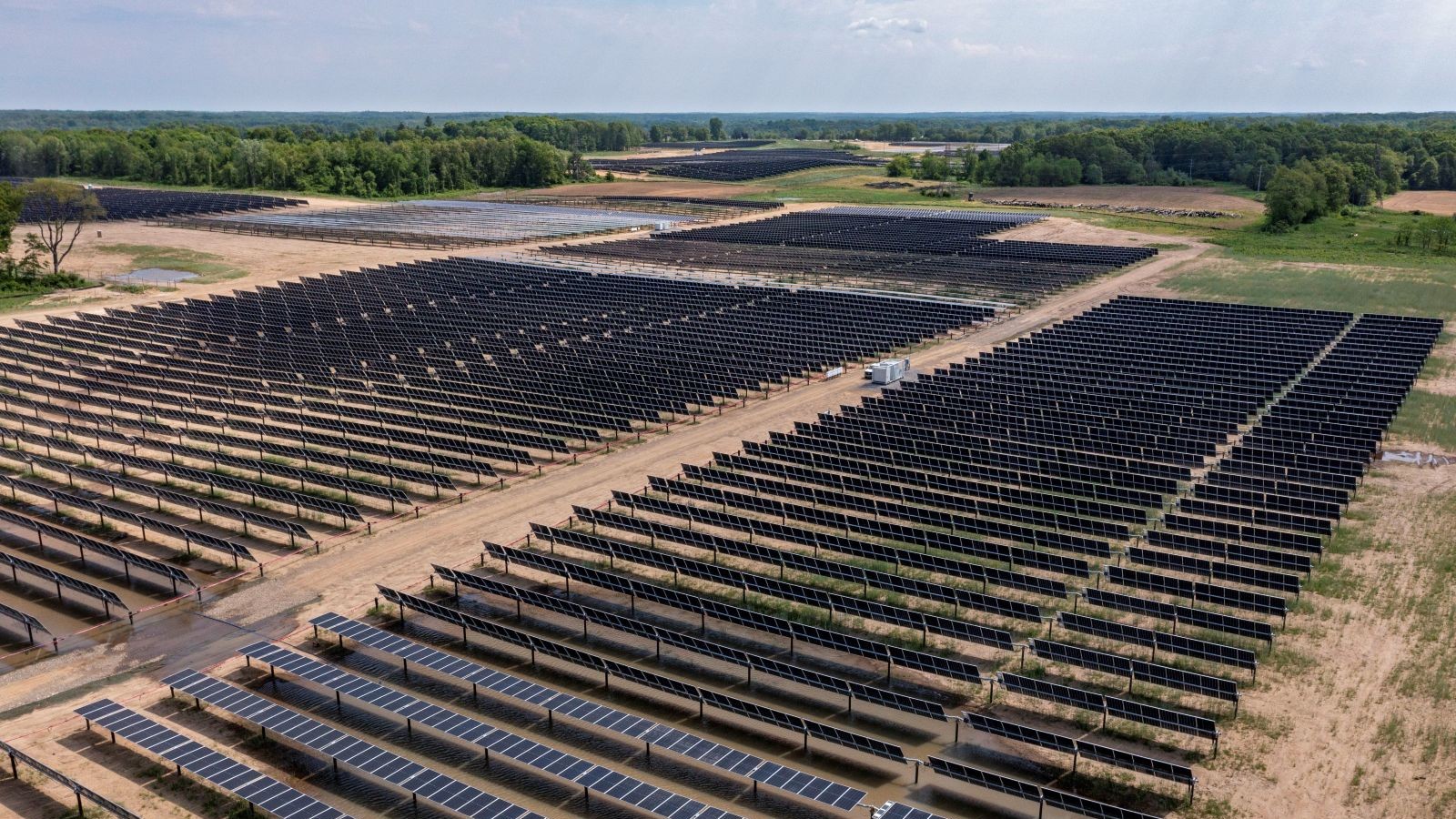
According to a recent report from the Solar Energy Industries Association, states that supported Donald Trump in the last presidential election have emerged as the dominant drivers of solar energy expansion across the United States. Eight of the top 10 solar-building states voted for Trump, and these states collectively accounted for close to three-fourths of the country’s solar growth in the first half of the year. The nation deployed more than 11 gigawatts of solar capacity in the second quarter of 2026, representing a 45 percent increase compared to the same period in 2025.
Texas and Florida, the two most populous Trump-supporting states, ranked first and third respectively in solar construction. Other consistent leaders in the top 10 included Indiana, Ohio, Arizona, Missouri, Arkansas, Michigan, and Utah. According to Tim Pawlenty, CEO of the Solar Energy Industries Association and former Republican governor of Minnesota, these red states are embracing solar development through their general pro-business environments, abundant available land, and streamlined permitting processes for energy projects. The rapid growth has been further fueled by electricity-intensive industries such as manufacturing and data centers relocating to these states, creating demand for affordable and quickly deployable energy sources.
However, the trajectory for solar growth in Trump-voting states faces significant headwinds. Congress previously passed legislation that brought an early end to federal solar tax credits that had been established under the Inflation Reduction Act of 2022. Credits for most utility-scale solar farms expired on July 4, 2026, prompting a rush in construction activity beforehand. The expiration of these incentives threatens to slow residential solar installations, which have already begun declining earlier in the year. The impact will vary by state, with Texas’s year-round sunlight making solar economically viable without subsidies, while states like Michigan face greater uncertainty.
Michigan’s experience illustrates the complexities ahead. The state climbed from 23rd place in 2024 to fourth in the first half of 2026, but experts question whether it can sustain this growth without federal tax credits given its less abundant solar resources. However, Michigan’s state-level renewable energy mandate requiring utilities to source 50 percent of power from renewables by 2030 may provide ongoing demand for solar projects. Industry analysts suggest that even without federal tax credits, the speed at which solar projects can be constructed compared to other energy infrastructure, combined with sustained electricity demand, could support continued expansion.
Article Attribution | Read More at Article Source
Article summary produced by Claude AI