

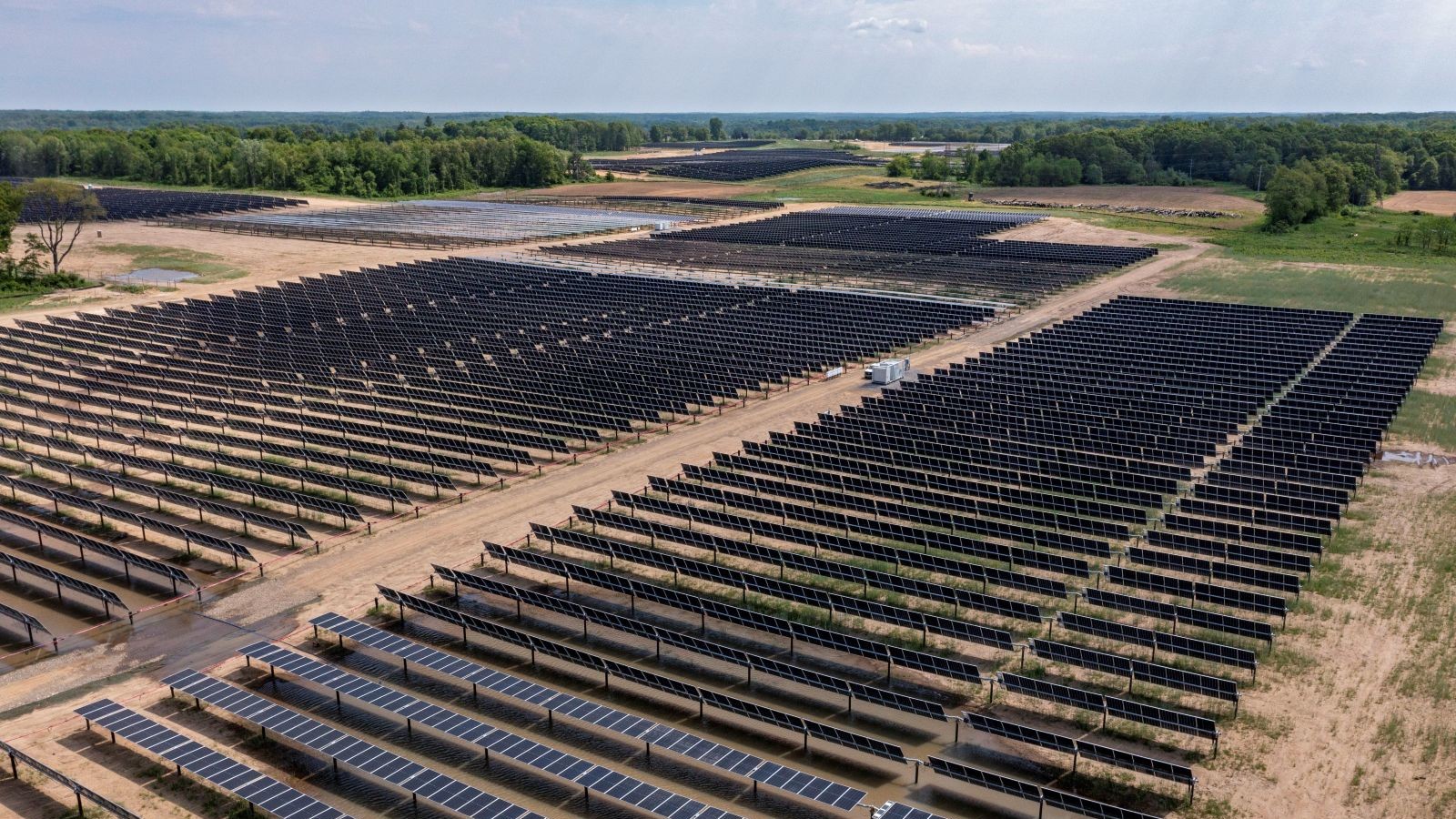
According to a new report from the Solar Energy Industries Association, states that supported Trump in the last presidential election have emerged as leaders in solar energy development. Eight of the nation’s top 10 solar-building states voted for Trump, and these states collectively accounted for nearly three-fourths of the country’s solar growth in the second quarter of 2026.
Texas and Florida rank first and third respectively among all states in solar construction capacity. Other Trump-voting states including Indiana, Ohio, Arizona, Missouri, Arkansas, Michigan, and Utah have also consistently ranked in the top 10 for solar development. The surge in installations reflects broader economic factors beyond climate considerations, including pro-business regulatory environments, abundant available land, streamlined permitting processes, and growing electricity demand from manufacturing and data center operations.
The trajectory of solar development in these states faces uncertainty following congressional action that ended most federal tax credits for solar projects. Under the One Big Beautiful Bill Act passed last year, credits expired for most uninitialized solar farms on July 4, 2026. This deadline prompted a construction rush in the second quarter of 2026, but the elimination of incentives raises questions about sustaining growth, particularly for residential rooftop solar projects that have already begun declining.
The impact of lost tax credits will likely vary significantly across states. Texas, with year-round strong sunlight and established solar infrastructure, appears positioned to maintain leadership regardless of federal incentives. Michigan, which rose to fourth place in the first half of the year despite lacking Texas’s solar resource advantages, may face challenges sustaining growth without credits. However, state-level renewable energy mandates and continued demand for electricity from data centers may provide alternative drivers for solar development in some regions.
Industry analysts note that factors beyond tax credits could sustain solar growth, including streamlined federal permitting processes and solar technology’s rapid deployment timeline compared to other energy sources. The speed at which solar installations can be constructed continues to offer competitive advantages even amid shifting federal policy landscapes.
Article Attribution | Read More at Article Source
Article summary produced by Claude AI