

NASA’s management initiated a series of facility relocations at the Goddard Space Flight Center in Greenbelt, Maryland, beginning in November, citing cost reduction and elimination of redundancies as primary objectives. The moves affected more than 80 facilities and were designed to help the center avoid paying tens of millions of dollars in deferred maintenance costs, according to internal NASA documents.
The relocations have created operational challenges for multiple ongoing space missions. Engineers working on the Nancy Grace Roman Space Telescope, which launched late last month after 15 years of preparation and $4 billion in investment, reported conducting critical fuel tests using less sensitive equipment after higher-quality tools were lost during moves. A radio communications lab tasked with antenna testing before the telescope’s launch lost nearly all its equipment, including a specialized $6 million antenna chamber. Personnel at the center cited instances where they were prevented from recovering specialized equipment during the relocation process.
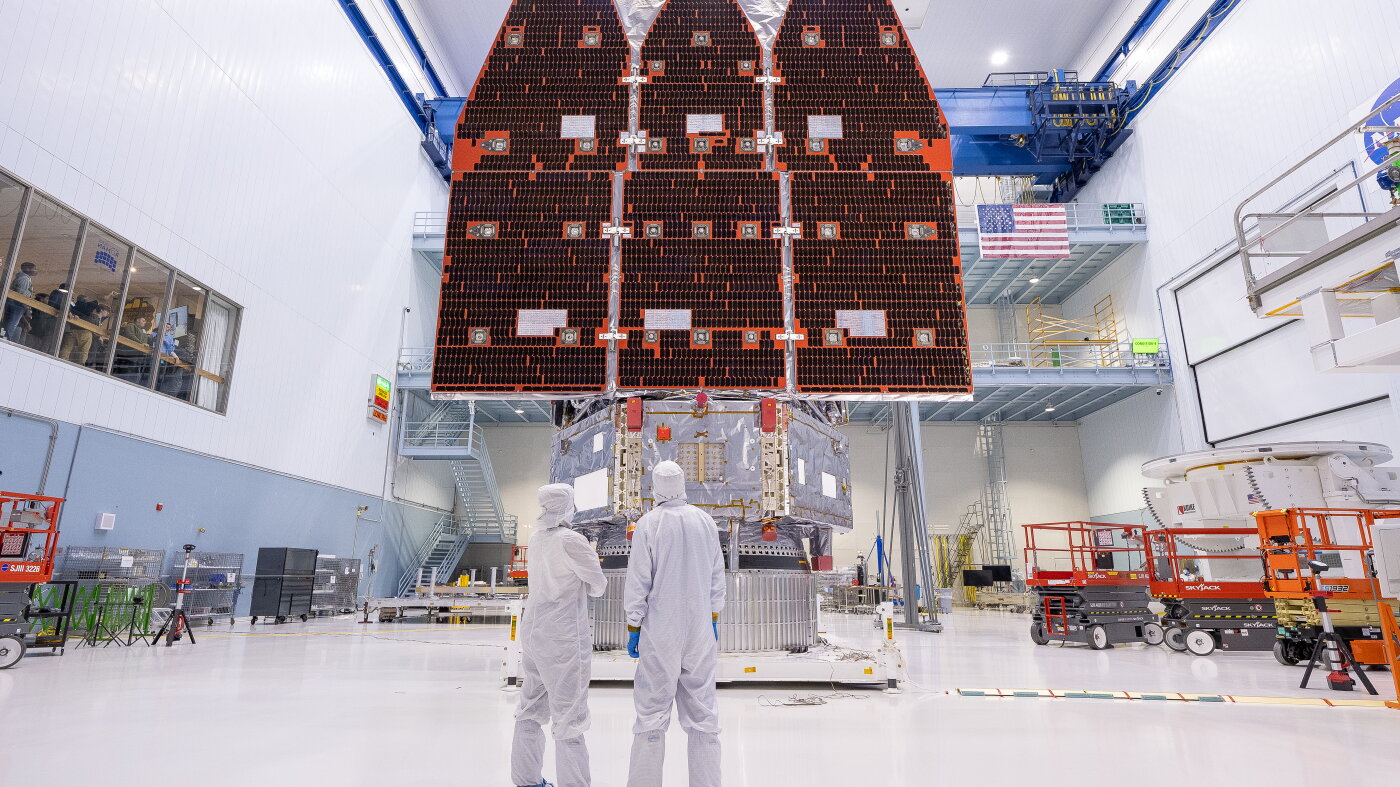
Other projects have experienced delays and complications. The GRITSS satellite, launched in July to track changes to Earth’s water levels and landmasses, went to space without complete communications testing due to lab relocations. Engineers working on DAVINCI, a spacecraft designed to explore Venus, reported that their work was delayed because specialized lab and clean room space were relocated with no replacement facilities provided. As of August, some of the vacated lab spaces remained unused.
NASA scientists and engineers, speaking anonymously due to concerns about potential retribution, stated that the lost specialized workspaces, employees, and expensive equipment were critical to spacecraft production. They contend that the relocations have diminished Goddard’s capacity and hindered the agency’s ability to produce future spacecraft. Jack Kiraly, chief of advocacy at the Planetary Society, characterized the situation as adding significant risk to already-complex space projects involving billions of dollars in taxpayer investment.
A June report from the NASA Office of Inspector General concluded that relocations had not harmed ongoing projects and would not impact anticipated missions. However, the report acknowledged increased risk regarding property accounting during the process. NASA management did not respond to requests for comment regarding the specific impacts of the relocations on current projects.
Article Attribution | Read More at Article Source
Article summary produced by Claude AI