

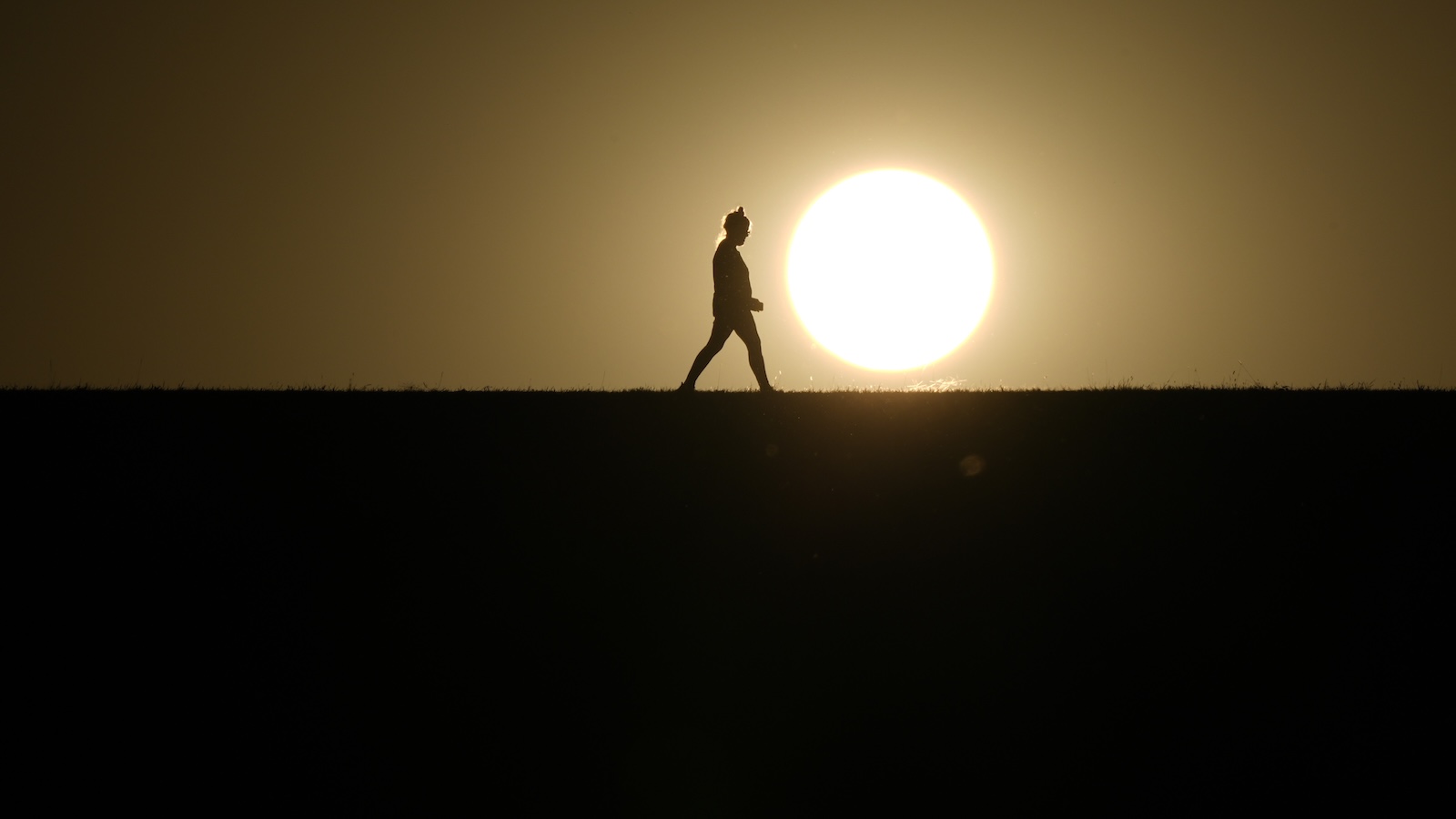
In early September, Nebraska experienced a significant heat wave with daytime temperatures in the mid-90s Fahrenheit and nighttime lows remaining in the 70s and low 90s. Residents and officials noted the absence of relief after sunset, which historically provided a cooler period. Community organizations including the Salvation Army and Siena Francis House operated cooling centers to serve residents seeking refuge, offering amenities such as ice and hydration facilities.
Health officials and researchers emphasize that elevated nighttime temperatures present distinct challenges beyond daytime heat stress. The phenomenon particularly affects vulnerable populations, including elderly individuals, those with chronic health conditions, people without functioning air conditioning, individuals experiencing homelessness, student athletes, and outdoor workers. According to data compiled by Climate Central, residents in Omaha and Lincoln lost approximately 30 hours of annual sleep between 2020 and 2025 due to heat, with three hours attributable to climate change. Heat-related mortality exceeds deaths from other weather events nationally, though non-fatal impacts including sleep disruption and increased healthcare costs also pose significant concerns.
The warming trend carries economic implications for both residential and commercial sectors. Rising nighttime temperatures force air conditioning systems to operate longer and harder, increasing electricity consumption and utility bills. Low-income households and residents of older, unweatherized buildings face disproportionate hardship. Utility companies managing multiple competing demands, including power needs from expanding data centers, must balance grid stability while potentially maintaining fossil fuel generation capacity.
Agriculture, Nebraska’s primary industry, faces substantial challenges from sustained nighttime warming. Elevated temperatures during critical growth periods cause corn and soybean crops to expend energy rather than accumulating biomass and seeds. Extended warm periods can delay corn development and reduce yields, while humid nighttime conditions increase disease pressure, potentially requiring additional chemical applications. The soybean industry is developing new crop variants to adapt to changing conditions, while the corn industry has pursued adaptation strategies for decades, though long-term effectiveness remains uncertain. Researchers also project potential increases in groundwater usage for irrigation as farmers respond to combined heat and drought stress.
Article Attribution | Read More at Article Source
Article summary produced by Claude AI