

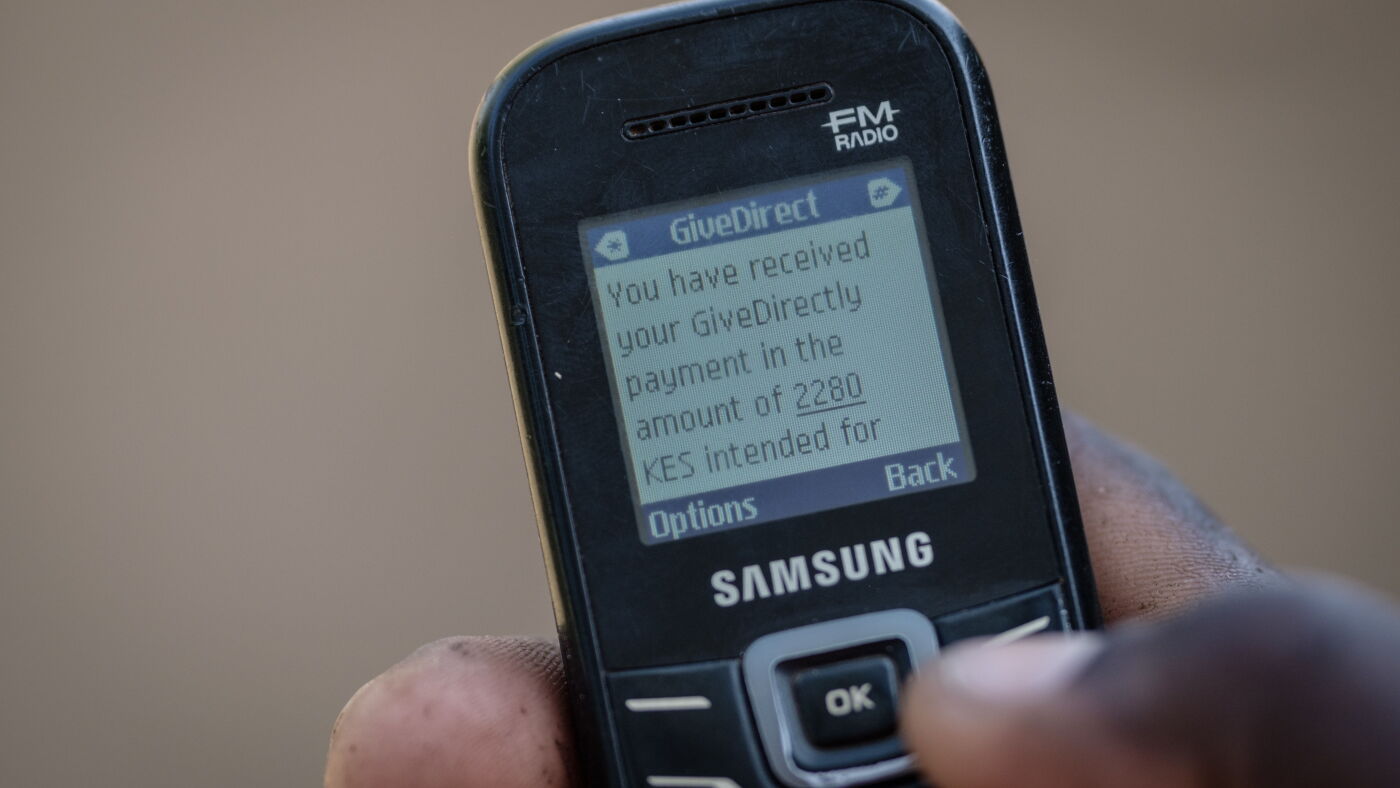
Since the early 2000s, governments have utilized direct cash transfers as a poverty reduction strategy, providing families with lump sums to address immediate needs such as food, school fees, and income-generating activities. Research has consistently demonstrated the effectiveness of these programs in helping families in extreme poverty establish sustainable income sources. Liberia, ranked among the world’s ten poorest nations, has implemented cash transfer initiatives with an average annual allocation of $250 per household, a significant sum in the local context.
Traditionally, Liberian cash aid programs designated a single household member, typically a woman, to manage funds for the entire family. This targeting approach aimed to address gender inequality and ensure resources reached basic family needs, as male heads of household sometimes controlled finances without allocating sufficient resources for food, hygiene, or other essentials. However, men in the program reported feeling excluded by this arrangement. In response, the Liberian government partnered with the World Bank and the nonprofit organization GiveDirectly to pilot an alternative model that provided equal cash allocations and decision-making authority to both partners.
The experiment involved more than 2,300 households in Maryland and Bomi counties, each receiving $750 in four installments in 2022. To encourage joint financial planning, half of the participating households participated in structured 45-minute planning sessions where couples identified spending priorities. Researchers created visual planning tools including illustrated posters with symbols representing education, healthcare, food, and other categories to accommodate low literacy rates in rural areas.
One year after the cash distribution, researchers found that households receiving both the cash and planning component achieved stronger economic outcomes than those receiving cash alone. Participants reported investments in education, food security, home repairs, and small business initiatives. However, the study revealed a concerning secondary finding: among couples with documented histories of partner violence, intimate partner violence incidents increased following the cash transfer, particularly among those who received the joint planning intervention. Researchers hypothesized that explicit joint commitment to spending plans may have created conflict when partners deviated from agreed-upon priorities, enabling one partner to hold the other accountable in relationships prone to existing tension.
Article Attribution | Read More at Article Source
Article summary produced by Claude AI