

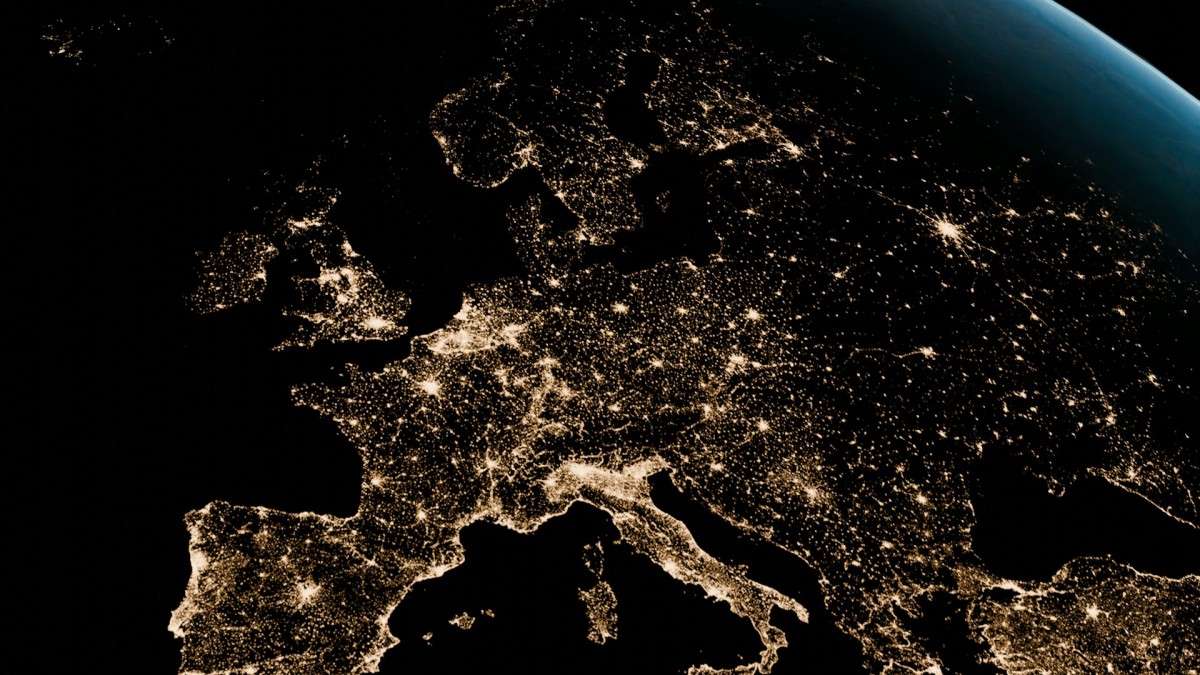
Europe’s energy landscape is experiencing significant strain from the rapid expansion of renewable energy sources, particularly wind and solar power. Following Russia’s invasion of Ukraine in 2022, European Union nations accelerated their shift away from Russian energy dependence by dramatically increasing renewable capacity. While this transition has supported climate objectives and improved energy independence, it has created new vulnerabilities centered on energy storage infrastructure that has not kept pace with renewable generation.
Spain represents the most acute example of this trend. The country’s aggressive solar expansion has resulted in renewables comprising approximately 60 percent of the national grid, enabling it to navigate recent global energy crises more successfully than neighboring nations. However, this abundance has created unintended consequences, including an oversupply of electricity during peak production hours that has driven wholesale prices into negative territory, eroding investor returns and threatening the economic viability of solar projects. In April 2025, Spain experienced what was described as the most severe blackout in Europe over the preceding 20 years.
The challenge extends across the entire EU. In 2025, Germany recorded 573 hours of negative wholesale electricity prices, surpassing its 2024 total, while Spain, Sweden, the Netherlands, and France each exceeded 500 negative-price hours by late October 2025. These episodes signal a structural mismatch between renewable generation capacity and energy storage infrastructure. The EU currently maintains only 55 gigawatt-hours of storage capacity despite renewables supplying 44 percent of electricity consumption and the bloc still importing approximately 55 percent of its total energy needs.
EU leadership has begun addressing the challenge. In June, energy ministers endorsed an agreement to triple storage capacity, committing to add 30-35 gigawatts of new capacity by 2028. Analysts estimate the bloc will require 200 gigawatt-hours of storage by 2030 to manage renewable variability effectively. Without expanded storage infrastructure, the EU risks remaining dependent on imported fossil fuels during periods when renewable generation declines, potentially undermining both energy security goals and continued green energy investment.
Article Attribution | Read More at Article Source
Article summary produced by Claude AI