

Nevada has filed the first lawsuit challenging a newly announced federal management plan for the Colorado River, departing from its traditional role as a consensus-builder among the river basin states. The action surprised water experts who anticipated Arizona would lead legal challenges, given that state stands to face the largest immediate reductions in water allocations.
The federal plan emerged after more than two years of negotiations among the seven Colorado River states and federal government failed to produce a long-term agreement before current management procedures expire in October. The Interior Department imposed the plan to address rapidly declining water levels in the river’s largest reservoirs, which have been draining at rates that could jeopardize hydroelectric power generation and dam operations within months. The plan prioritizes cuts to water use among Lower Basin states—Arizona, Nevada, and California—to maintain adequate reservoir levels.
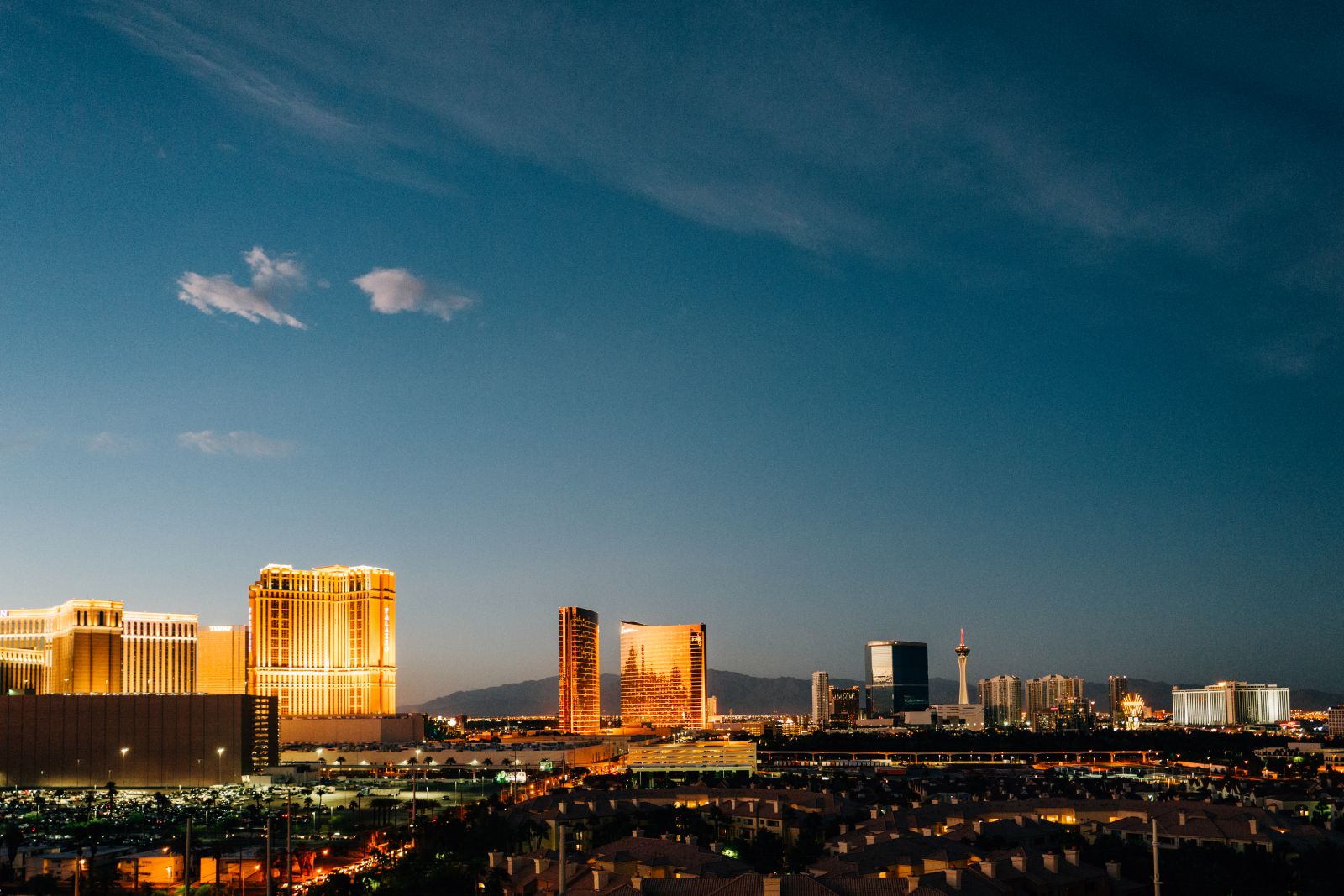
Nevada contends the federal plan violates federal law by imposing disproportionate cuts on the state. The state warns that in a worst-case scenario, Las Vegas could face a 71 percent reduction in water supply, which Nevada characterizes as an unacceptable threat to the region that houses two-thirds of the state’s population and drives most of its economic activity. Nevada argues this outcome reflects a misinterpretation of applicable law and claims federal decision-makers failed to evaluate alternative approaches that could prevent such severe shortages.
Despite the lawsuit, Nevada’s action may represent continuity rather than a sharp break with its previous advocacy. The state has long paired its calls for consensus-building with warnings that it would protect its water rights if negotiations faltered. Nevada’s chief negotiator had emphasized that cooperation and compromise remained the state’s preferred approach, even as the new lawsuit advanced. Nevada argues the federal decision-making process, required under the National Environmental Policy Act, was too narrow and did not adequately consider creative alternatives such as structural modifications to Glen Canyon Dam that could help manage water levels more effectively across the basin.
Article Attribution | Read More at Article Source
Article summary produced by Claude AI